Top 10 Portable Gantry Cranes for Global Buyers 2026?
In recent years, the demand for Portable Gantry Cranes has surged, driven by industrial growth and the need for flexible lifting solutions. According to a report by Market Research Future, the global crane market is projected to grow at a CAGR of 5.5% by 2026. This trend highlights the increasing reliance on portable cranes to enhance productivity in various sectors, including manufacturing and construction.
Portable Gantry Cranes offer versatility and ease of use, making them ideal for both indoor and outdoor applications. With weight capacities ranging from 500 lbs to over 10,000 lbs, these cranes cater to diverse lifting needs. However, buyers often overlook crucial specifications, such as stability and adjustability. It's vital to comprehend the requirements for different environments to maximize efficiency and safety.
As buyers explore options in the portable gantry crane market, understanding key features can lead to better purchasing decisions. While price is a common consideration, specifications, materials, and manufacturer reputation play equally significant roles. Making informed choices will not only enhance operational capabilities but also foster a culture of safety and reliability in lifting operations.
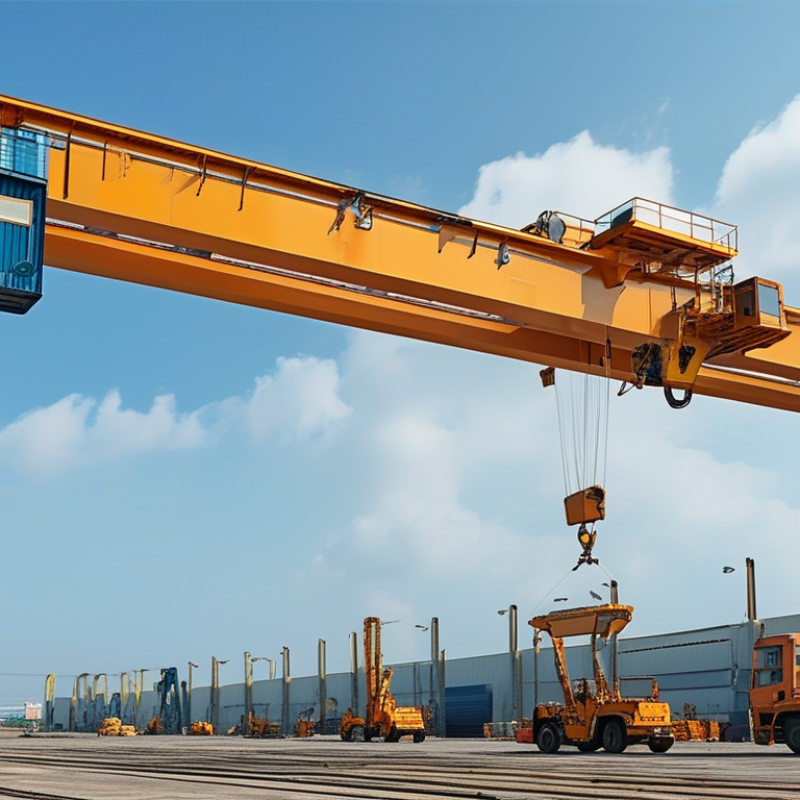
Top 10 Portable Gantry Cranes Overview: Key Features to Consider
When selecting portable gantry cranes, several key features should be considered. Load capacity is vital; cranes typically range from 1 ton to over 10 tons. Reports indicate that over 40% of buyers prioritize this aspect. The height adjustment is another critical factor. Most models offer versatile height settings, allowing them to accommodate various tasks. This flexibility can enhance workflow efficiency.
Portability is also essential. A crane's weight and wheel design influence its ease of transport. According to industry studies, more than 30% of operators prefer models under 300 pounds for ease of maneuverability. Durability impacts long-term investment. High-quality materials can withstand tough environments, thereby decreasing maintenance costs.
Lastly, safety features cannot be overlooked. Many cranes come equipped with locking mechanisms to prevent accidental movement. Data shows that a significant percentage of accidents in warehouses stem from equipment failure. Buyers should familiarize themselves with operational guidelines to reduce risk. Getting these details right can significantly enhance operational productivity while prioritizing safety.
Factors Influencing the Selection of Portable Gantry Cranes
When selecting a portable gantry crane, several factors play a crucial role. The application determines the type of crane needed. Consider the weight capacity required. It's essential to analyze the maximum load you will lift. Too often, buyers underestimate this, leading to safety hazards. Additionally, the height of the crane must fit your workspace.
Mobility is another significant factor. If you need to move your crane frequently, look for lightweight materials and easy mobility options. Fixed wheels can limit your flexibility. Don't overlook the installation process as well. Some cranes have complex setups, while others are user-friendly and quick to assemble.
Tips: Always check the stability of the crane. A stable base can prevent accidents. User reviews prove helpful; they provide real-life insights. Lastly, consider the warranty and support offered. A reliable manufacturer can make a difference when issues arise. Understanding these factors will guide you in making an informed choice.
Comparative Analysis of Leading Portable Gantry Crane Brands
When evaluating portable gantry cranes, several prominent brands offer diverse features. Each brand showcases unique designs tailored for various lifting capacities and environments. Notably, the materials used in construction significantly influence durability and weight. Metal frames, often aluminum or steel, play a crucial role in performance.
User feedback sheds light on design efficiency. Some cranes are praised for their ease of assembly. Others receive criticism for weight distribution issues, leading to stability concerns. The height adjustment mechanisms vary as well; some models excel while others may require improvement. Specific applications, such as warehouse uses versus outdoor operations, affect user satisfaction significantly.
While many cranes meet general requirements, not every model excels in portability. Ease of transport is essential for mobile operations. Units that fold or disassemble quickly are preferred by on-the-go professionals. Yet, compactness may compromise lifting capacity. Striking a balance between portability and performance remains a challenge for many brands.
Market Trends and Innovations in Portable Gantry Crane Technology
As the demand for portable gantry cranes increases globally, innovations in their technology are drawing significant attention. Recent market reports indicate that the global market for these cranes is expected to grow by 5% annually from 2023 to 2026. This growth highlights a shift towards more efficient, lightweight materials that enhance mobility without compromising on safety.
Advancements such as adjustable height features and integrated safety systems are becoming standard. These innovations allow for greater versatility in various work environments. Industry experts have noted that some models now incorporate smart technology. This enables real-time monitoring and tracking, enhancing operational efficiency. However, challenges remain. Many users report difficulties in properly understanding the technical specifications, which can lead to misuse.
The trend toward sustainability is also noticeable. Manufacturers are exploring eco-friendly materials and energy-efficient designs. This development aligns with the increasing regulatory focus on environmental impact. Nevertheless, some still question the robustness of these solutions. The balance between innovation and reliability is crucial. Not all innovations guarantee long-term performance. Users need to critically evaluate their options, ensuring they choose cranes that meet both industry standards and personal requirements.
Global Buyer Considerations: Regulations and Standards for 2026
In 2026, global buyers of portable gantry cranes must navigate various regulations and standards. Understanding compliance is essential. Each region has unique requirements. Buyers must consider safety regulations, load capacities, and design standards. Manufacturers should provide documentation to verify compliance. This plays a vital role in ensuring safety on work sites.
European standards, for instance, focus heavily on load testing and material certification. Buyers need clarity on these processes. In the U.S., the Occupational Safety and Health Administration (OSHA) outlines specific safety guidelines. Familiarity with these can mitigate risks significantly. However, regulations may vary by state, adding complexity to compliance.
Buyers should also be aware of environmental regulations. Eco-friendly materials are increasingly important. Consideration of carbon footprints, especially in manufacturing practices, reflects growing consumer demand. Yet, navigating these can be challenging. Buyers must assess whether manufacturers prioritize sustainable methods. Balancing regulations with available options requires ongoing reflection.