2026 Top Portable Gantry Crane Buying Guide for Global Buyers?
In today's industrial landscape, the demand for efficient and adaptable lifting solutions has surged. The Portable Gantry Crane stands out as a key player in this arena, offering versatility to various sectors, from construction to manufacturing. Market research indicates that the global portable gantry crane market is projected to grow by over 5% annually, driven by the need for reliable lifting equipment in confined spaces.
However, choosing the right portable gantry crane can be challenging. Factors such as lifting capacity, height adjustability, and material quality are crucial. Many buyers often overlook these essentials, resulting in equipment that doesn't meet their specific needs. In 2023, nearly 30% of users reported dissatisfaction with their cranes due to improper selection.
Investing in a portable gantry crane requires careful consideration of not just the price, but also the long-term benefits and potential operational risks. With the right knowledge and resources, buyers can avoid costly mistakes and drive productivity forward. This buying guide aims to provide global buyers with the insights needed to make informed decisions.
2026 Global Market Trends for Portable Gantry Cranes
The portable gantry crane market is evolving rapidly. By 2026, it is projected to reach a market value of approximately $1.2 billion globally. A report from Research and Markets indicates a compound annual growth rate (CAGR) of around 6.5% from 2021 to 2026. This growth is driven by increasing demand from sectors such as construction, manufacturing, and logistics.
The versatility of portable gantry cranes is a key factor. They are often praised for their ease of use and mobility. However, concerns over safety standards remain. Reports suggest that about 30% of incidents are related to improper use. This raises questions about operator training and the importance of adhering to safety protocols.
Investing in thorough training programs may help mitigate these risks, enhancing the overall reliability and safety of these cranes in various applications.
Regional trends show significant differences as well. The North American market is expected to lead the industry, followed closely by Europe and Asia-Pacific. Ongoing infrastructure projects in these regions drive demand. However, emerging markets pose challenges. Rapid growth may lead to lapses in quality control. Buyers should consider this when making purchasing decisions.
Understanding local regulations and supplier reliability remains crucial in navigating these complexities.
Key Specifications to Consider When Buying Portable Gantry Cranes
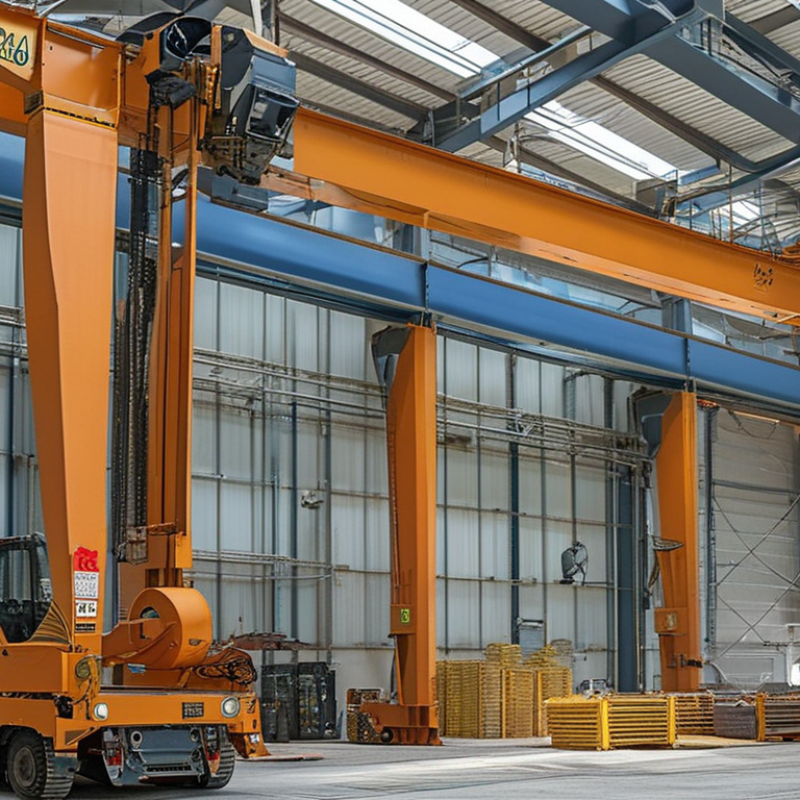
When considering a portable gantry crane, key specifications are essential. Start with load capacity. It must align with the heaviest item you intend to lift. Portable cranes typically range between 500 lbs to 6,000 lbs. Choosing a crane that exceeds your needs offers safety and flexibility.
Next, evaluate the height adjustment feature. This allows you to adapt the crane for various tasks. A range of 8 to 12 feet tends to be common. Ensure the crane’s legs can fit under your loads. Mobility is another critical factor. Look for cranes with wheels that lock securely. This ensures stability while lifting.
Lastly, consider material quality. Aluminum cranes are lightweight but sturdy. Steel cranes offer durability but add weight. Reflect on the crane's environment. If exposed to elements, consider corrosion resistance. These specifications ensure you invest in a safe and effective tool. Innovation in design may lead to imperfect features, so it’s wise to assess all elements carefully.
Comparison of Weight Capacities: 500 lbs to 10,000 lbs Models
When considering portable gantry cranes, understanding weight capacities is crucial. Models vary significantly, with options ranging from 500 lbs to 10,000 lbs. This diversity can meet different project needs, from light-duty tasks to heavy lifting.
For lighter loads, cranes under 1,000 lbs are often sufficient. They offer mobility and are easy to set up. However, using these cranes for heavy tasks can lead to instability. It’s vital to evaluate the specific requirements of your project before choosing a model. Ensure the crane can handle the maximum weight needed.
Moving on to cranes with capacities over 5,000 lbs, these models provide robustness. They are designed for industrial applications and can lift hefty machinery. However, they often require more space and setup time. It's essential to carefully assess your operational environment and lift priorities.
Tips: Always verify the crane's weight rating against your load. Misjudging this can result in accidents. Conduct regular inspections to maintain safety and effectiveness. Don't overlook training for operators—it’s critical for safe crane use.
Top Manufacturers and Brands in the Portable Gantry Crane Industry
In the realm of portable gantry cranes, understanding the top manufacturers and brands is crucial for global buyers. The industry is growing rapidly, with a projected CAGR of 6.3% from 2021 to 2028, according to a recent market report. This increase is driven by the rising demand for efficient lifting solutions across various sectors, including construction and manufacturing. Buyers must consider factors like load capacity, material, and portability when selecting a crane.
Some top manufacturers prioritize creating durable, lightweight designs that accommodate diverse lifting needs. Reports indicate that companies focusing on innovative materials see significant growth. However, not every brand meets the expectations for reliability and performance. Buyers should be aware that not all products are created equal, and thorough research is essential.
Tips: Always check customer reviews and industry ratings. This can provide insight into the crane's performance and durability. Additionally, consider the availability of customer support and spare parts, as these factors can greatly influence your ownership experience. Drawing on data-driven insights will help buyers make informed decisions. Balancing price with quality is key in this competitive market.
2026 Top Portable Gantry Crane Buying Guide for Global Buyers
| Model |
Lifting Capacity (Tons) |
Span (Feet) |
Height Adjustment (Inches) |
Weight (Lbs) |
Material |
Price Range (USD) |
| Model A |
2 |
10 |
48 |
150 |
Steel |
500 - 700 |
| Model B |
3 |
12 |
60 |
200 |
Aluminum |
800 - 1000 |
| Model C |
1 |
8 |
30 |
120 |
Steel |
300 - 500 |
| Model D |
5 |
16 |
72 |
300 |
Aluminum |
1200 - 1500 |
Safety Standards and Compliance for Portable Gantry Crane Purchases
When purchasing a portable gantry crane, safety standards should be a top priority. Compliance with regulations ensures equipment is safe for operators. Different regions may have varying safety standards, which can complicate the buying process. Buyers must research these standards, as ignorance can lead to serious accidents.
Thorough documentation is essential when evaluating a crane’s safety features. Look for detailed safety certifications that confirm adherence to relevant standards. Inspect the crane's construction materials and design features. A sturdy frame and reliable lifting mechanisms are crucial. Small details matter; even the quality of wheels can affect stability during operation.
Often, buyers overlook maintenance requirements. A crane that meets safety standards needs consistent upkeep. Understand how to maintain compliance over the crane's lifespan. This involves regular inspections and record-keeping. Ignoring this can result in violations and increased risks. When buying, reflect on these challenges. It’s essential to stay informed and be proactive in ensuring safety and compliance.