Top 10 Over Head Bridge Crane Buying Tips for Global Buyers
In the competitive world of industrial lifting, choosing the right Over Head Bridge Crane is crucial. John Smith, a renowned expert in material handling systems, emphasizes, "Selecting the right crane can be the difference between efficiency and disaster." This statement reflects the weight of responsibility that comes with such decisions.
For global buyers, several key factors must be considered. Over Head Bridge Cranes are not just tools; they are essential to operational success. Quality, load capacity, and safety features must align with specific operational needs. As buyers navigate their options, understanding specifications is vital. The nuances in design can lead to significant performance variations.
Many buyers overlook certain details, leading to costly mistakes. Past experiences teach us that assessing a supplier’s credibility is as important as evaluating the crane. A reliable partner provides not only equipment but also valuable insights into operational best practices. When investing in an Over Head Bridge Crane, engagement with experts can help mitigate risks and enhance long-term efficiency.
Understanding the Basics of Overhead Bridge Cranes for Buyers
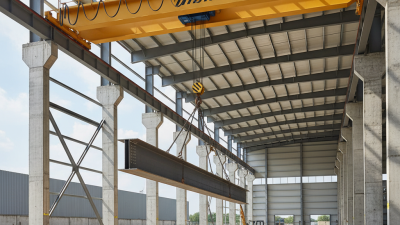
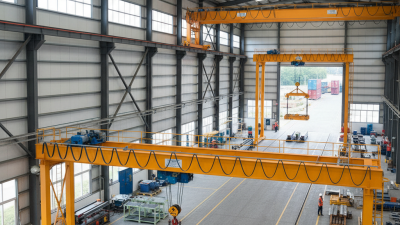
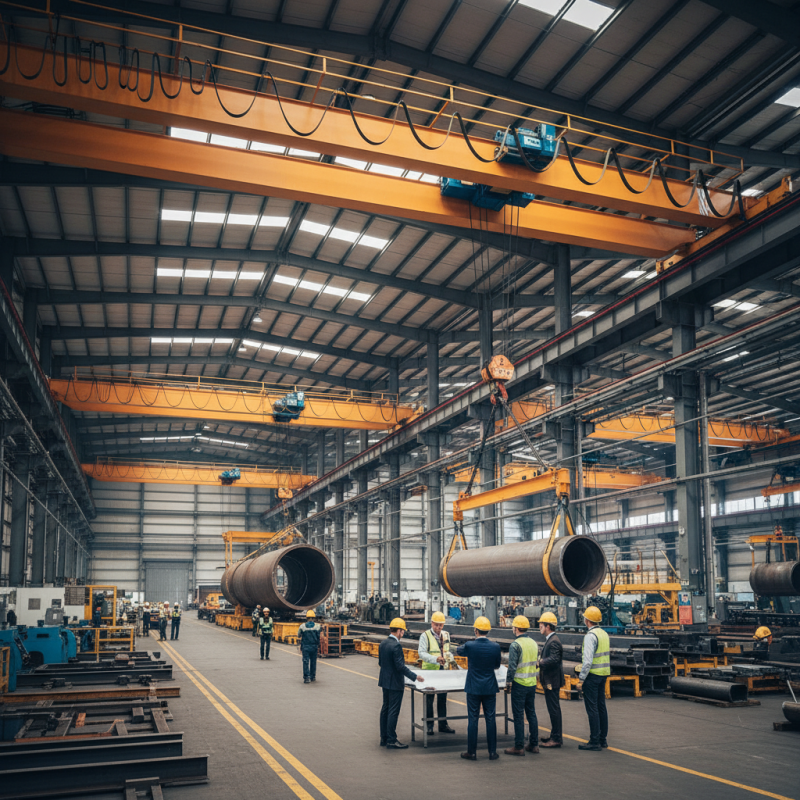
Overhead bridge cranes are vital in various industries. Understanding their fundamentals is essential for buyers. These cranes consist of a horizontal bridge spanning two supports. They aid in lifting and moving heavy loads in factories and warehouses. Knowing how they operate can save time and increase safety.
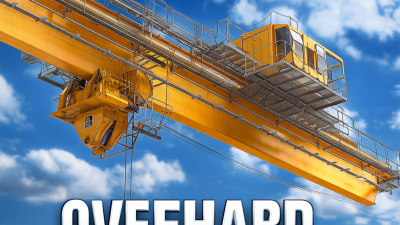
Consider the different types when selecting a crane. There are single girder and double girder options. Single girder cranes are lighter and less expensive. However, double girder cranes offer greater lifting capacity and stability. Assess your needs carefully before making a decision.
Buyers should also reflect on the crane's capacity and hook height. An underestimated capacity can lead to accidents. Hook height impacts how much vertical space is available. Proper configuration ensures efficiency and safety. Evaluating your specific environment will guide you in choosing the right type of crane.
Key Features to Consider When Selecting an Overhead Bridge Crane
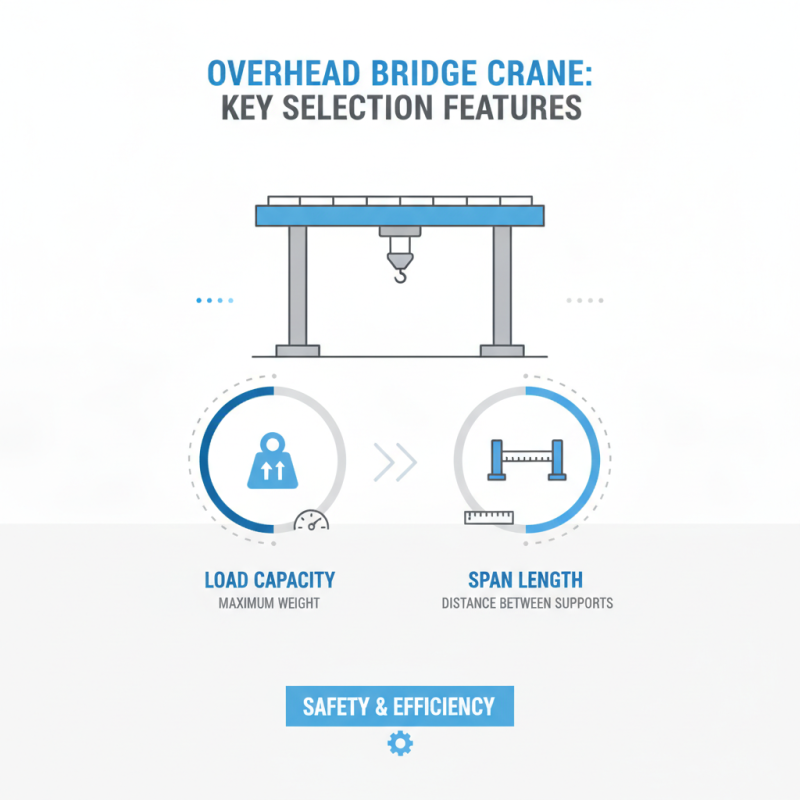
When selecting an overhead bridge crane, several key features demand your attention. Load capacity is crucial. Determine the maximum weight the crane will handle. This specification directly impacts safety and efficiency. Additionally, consider the span length. The distance between supports affects the crane’s capability to lift and move loads effectively.
Another significant factor is the crane’s control system. Choose between manual and automated options. Automated systems enhance precision but may require more maintenance. Material selection for the crane is also essential. Steel structures provide durability, while lighter materials might reduce installation complexity but sacrifice strength.
Lastly, think about the environment where the crane will operate. Factors such as temperature, humidity, and potential for exposure to corrosive materials can affect longevity. Reflect on these variables to ensure that the crane meets your specific requirements. Investing time in these considerations can prevent future issues. Engage with experts if necessary to avoid pitfalls in the buying process.
Evaluating Load Capacity and Span Requirements for Your Operations
When evaluating load capacity for overhead bridge cranes, experience is key. The load capacity defines how much weight the crane can lift. It varies based on design, materials, and application. For instance, studies show that a significant percentage of accidents occur from overloading cranes. In fact, the National Safety Council reports that improper load capacity knowledge leads to 20% of all crane-related fatalities.
Span requirements are equally critical. The distance between the crane's runways significantly impacts its stability and performance. A longer span usually means reduced lifting capacity. Practical examples indicate that cranes with a span of 40 feet can support loads over 20 tons reliably. However, this can vary based on local conditions and construction standards.
It is essential to understand these variables. Customizing crane specifications to match specific operational needs is common. However, industry experts warn against the pitfalls of underestimating load stresses or ignoring maintenance schedules. Regular assessments can prevent costly downtime. This highlights the importance of ongoing training and adherence to safety standards among operators.
Assessing Safety Standards and Regulations in Crane Purchasing
When purchasing overhead bridge cranes, assessing safety standards and regulations is crucial.
Safety should be the top priority in the crane selection process. Buyers must ensure that the equipment meets all local and international safety guidelines. This includes understanding the standards set by organizations like OSHA or ANSI. Failure to comply can lead to accidents, injuries, or costly fines.
Evaluate the manufacturer’s safety certifications. Ask for documentation proving compliance with recognized safety standards. This transparent information strengthens trust in the product. It's important to remember that not all manufacturers adhere to the same level of quality. Some may cut corners to save costs. Conducting thorough research and seeking recommendations can mitigate this risk.
Consider the crane's design and safety features. Look for elements such as overload protection, emergency stop buttons, and reliable braking systems. Take your time to inspect these features closely. Each safety aspect can significantly impact operational efficiency and worker protection. Don't hesitate to seek expert advice if needed. Balancing cost and safety is a delicate act that requires careful reflection.
Comparing Costs: Finding the Best Value for Overhead Bridge Cranes
When considering overhead bridge cranes, comparing costs is essential for finding the best value. Prices can vary significantly based on features and specifications. Many buyers focus solely on the initial cost, overlooking maintenance and operational expenses. Take the time to calculate not only the purchase price but also the long-term implications.
One tip is to evaluate how different features impact performance. A crane with advanced safety features may have a higher upfront cost but can save money in the long run. Furthermore, don't forget to assess the total cost of ownership, including energy consumption and durability. It’s crucial to analyze if a cheaper model will end up costing more in repairs.
Research is another vital step. Check reviews and recommendations from other users. Gather insights about the reliability and efficiency of various models. This helps in making an informed decision instead of relying on glossy advertisements. Taking these factors into account will help buyers find a cost-effective solution that meets their operational needs.