Top Types of Overhead Crane You Should Know About?
Overhead cranes are vital in various industries. They lift heavy loads with precision and efficiency. Understanding their types can greatly improve productivity and safety in the workplace.
In the world of material handling, the overhead crane is an essential tool. From manufacturing to shipping, these cranes perform crucial tasks. Yet, many users may not be aware of the different types available on the market. Each type serves a unique purpose, impacting performance and safety.
Selecting the right overhead crane is not always straightforward. Factors like load capacity, design, and operational environment play a critical role. Knowledge gaps can lead to errors that affect operations and safety. Exploring the main types of overhead cranes enables better decision-making for operations and enhances overall effectiveness.
Types of Overhead Cranes: An Overview of Key Varieties
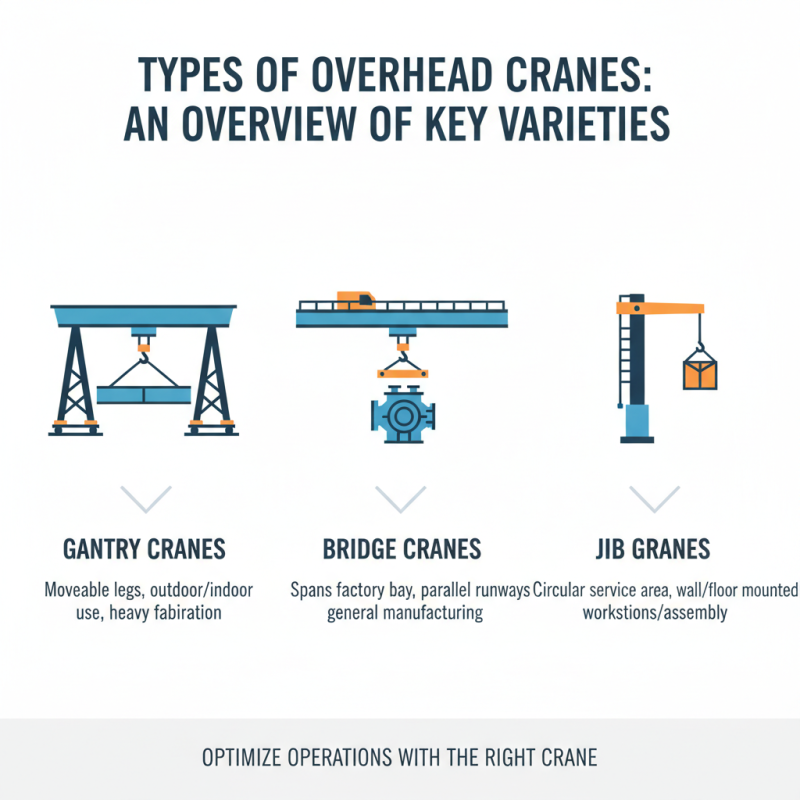
Overhead cranes are vital in various industries. Understanding the different types can lead to more efficient operations. There are several key varieties of overhead cranes, each designed for specific applications.
The most common types include bridge cranes, gantry cranes, and jib cranes. Bridge cranes cover large areas and are suited for factories and warehouses. Gantry cranes are versatile and often used outdoors, providing flexibility in movement. Jib cranes have a limited reach but are great for precise lifting tasks in confined spaces. According to industry reports, the global overhead crane market is expected to reach $5.56 billion by 2027, highlighting their importance in material handling.
Always consider the load capacity and operational environment when selecting an overhead crane. Tips: Assess your space requirements carefully. Understand the lifting heights and distances. Regular training for operators is crucial. Properly maintained cranes can enhance workplace safety and productivity. Remember, even small mistakes can lead to significant accidents in high-risk environments.
Choosing the right overhead crane requires balancing efficiency and safety. Engage with experts for tailored advice. Regular evaluations of your crane systems can reveal inefficiencies. Continuous improvement leads to better performance.
Bridge Cranes: Design and Functionality Explained
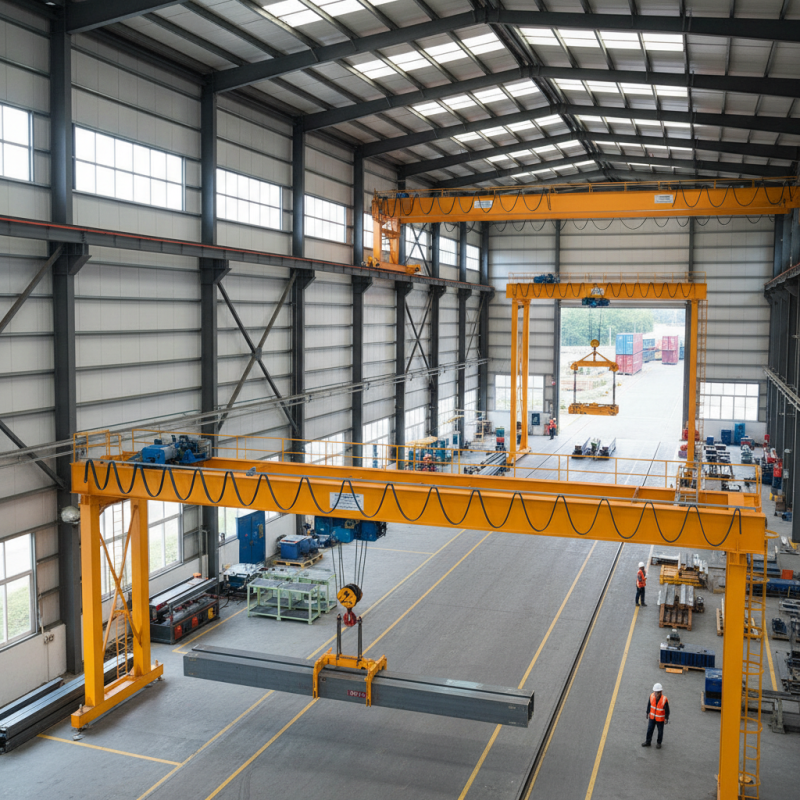
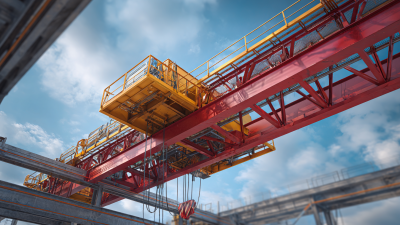
Bridge cranes are essential in many industrial settings. Their design includes two horizontal beams connected by a vertical lift. This structure enables them to span large areas and lift substantial loads efficiently. According to industry reports, the global overhead crane market is projected to reach $6.8 billion by 2026, illustrating their vital role in modern industry.
These cranes offer unique functionalities. They can move loads along a bridge, making them suitable for workshops, warehouses, and manufacturing plants. The lifting capacity often ranges from a few tons to over 500 tons, depending on the specific model. Accuracy is crucial, as misplaced loads can cause delays or accidents. Regular maintenance can prevent breakdowns and enhance safety.
Tip: Always ensure proper training for operators. Mismanagement can lead to accidents. Implementing a strict maintenance schedule is crucial for safety. Inspecting the crane regularly can help identify potential issues early. Investing in smart technology could further enhance safety and operational efficiency, creating a more reliable workspace.
Gantry Cranes: Features and Applications in Various Industries
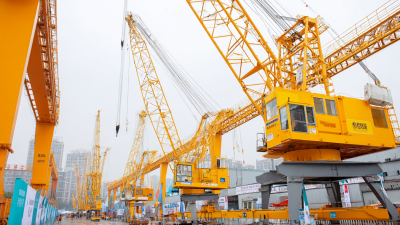
Gantry cranes are essential in various industries due to their robust design and versatility. These cranes have a unique structure, typically supported by two legs that move on a track. They allow for easy movement of heavy loads across large areas. According to a recent industry report, over 70% of construction sites utilize gantry cranes for their efficiency in lifting materials. This proves their importance in sectors such as construction, shipping, and manufacturing.
The features of gantry cranes vary significantly, catering to diverse applications. For instance, some models are adjustable in height and span, which enables them to handle different load sizes. In warehousing, they often lift materials to high shelves, improving space utilization. However, it's important to consider that not all gantry cranes are suitable for outdoor use. Environmental factors can affect their performance. Factors like wind resistance and weather conditions need careful evaluation before deployment.
The applications of gantry cranes extend beyond construction. In manufacturing, they facilitate assembly line operations, enhancing productivity. They also play a crucial role in shipbuilding. However, the reliance on these cranes comes with challenges. Maintenance is critical to ensure safety. Any oversight can lead to accidents and costly downtime. Understanding the operational limits of each gantry crane is important for safe usage.
Jib Cranes: Versatility and Use Cases in Material Handling
Jib cranes are popular tools in the realm of material handling. Their design allows for flexibility and ease of use in various environments. These cranes typically consist of a horizontal beam mounted on a vertical post. This simple structure enables them to lift and move loads in tight spaces, where other cranes may not fit.
In manufacturing and construction, jib cranes show their versatility. They can handle loads ranging from light to heavy, depending on the model. Many industries benefit from their ability to pivot and extend, covering larger areas without requiring excessive floor space. Their adaptability makes them invaluable for tasks such as loading and unloading, assembly lines, and maintenance operations.
While jib cranes provide many advantages, they also come with limitations. Their lifting capacity can be affected by environmental factors, such as wind or uneven flooring. Training is essential for operators to use these cranes safely. Regular inspections are necessary to ensure reliability. Understanding these nuances can help users optimize their equipment and prevent accidents.
Specialty Cranes: Niche Solutions for Unique Lifting Needs
Specialty cranes offer tailored solutions for specific lifting challenges. Industries often face unique demands that standard cranes cannot meet. For example, according to a recent industry report by Research and Markets, specialty cranes, such as those designed for hazardous environments, are expected to see a 5% annual growth rate. These cranes ensure safety while handling specific materials or tasks.
Innovative designs are crucial in the field of specialty cranes. For example, electric overhead traveling (EOT) cranes can be adapted for different tasks. Their versatility allows them to lift heavy loads in tight spaces. An additional report indicated that over 30% of companies surveyed are investing in customized crane solutions to enhance operational efficiency. However, these customizations can lead to increased costs and longer lead times.
Tips: Always assess your unique lifting requirements before choosing a crane. Custom solutions might seem appealing, but they require careful planning. Collaborate with engineers to ensure your specifications are met efficiently. Remember, investing time in research can prevent costly mistakes in the long run.
Top Types of Overhead Crane You Should Know About
| Crane Type |
Load Capacity (tons) |
Span (meters) |
Applications |
| Bridge Crane |
5 - 100 |
10 - 40 |
Manufacturing, Warehousing |
| Gantry Crane |
5 - 200 |
12 - 40 |
Construction, Shipyards |
| Jib Crane |
0.5 - 15 |
3 - 10 |
Assembly Lines, Small Workshops |
| Monorail Crane |
0.5 - 10 |
3 - 20 |
Manufacturing, Packaging |
| Explosion-Proof Crane |
1 - 10 |
4 - 12 |
Petrochemical, Hazardous Environments |