Why Choose Over Head Bridge Crane for Your Next Project?
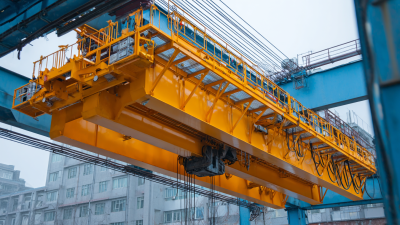
When planning your next project, the choice of equipment can significantly impact its success. An Over Head Bridge Crane is an excellent option worth considering. These cranes offer exceptional lifting capabilities and maneuverability, making them ideal for various industries. They excel in environments where space is limited, and efficiency is crucial.
Employing an Over Head Bridge Crane enhances productivity. This equipment allows seamless movement of heavy loads across buildings. However, it's essential to consider the installation and operational costs, which can vary. While these cranes are robust, proper maintenance is vital for longevity and performance.
Choosing an Over Head Bridge Crane requires careful thought. The features you need might not align with every crane available. Evaluating your project's specific needs will help you make an informed decision. Remember, the right choice can either propel your project forward or lead to unnecessary complications.
Benefits of Overhead Bridge Cranes in Material Handling
Overhead bridge cranes are revolutionizing material handling in various industries. These cranes deliver efficiency and safety when lifting heavy loads. Their design allows for seamless movement across the workspace, minimizing the risk of accidents. They often come with features like adjustable speeds. This adaptability caters to specific project needs, ensuring that workers can operate them safely.
One significant advantage of overhead bridge cranes is their space-saving design. By elevating loads, they free up valuable floor space for other operations. This feature is especially beneficial in crowded warehouses or manufacturing plants. Moreover, they enhance workflow by reducing the number of manual lifts. Workers can save time and energy, allowing them to focus on other critical tasks. However, the initial cost may seem high, and maintenance can add to expenses.
Training is essential for safe operation. Operators must fully understand the crane's functions for optimal use. Despite the complications of training, the long-term benefits often outweigh the challenges. Overhead bridge cranes, when used correctly, can significantly improve productivity. They represent a smart investment for businesses focused on efficiency and safety.
Versatility of Applications for Overhead Bridge Cranes
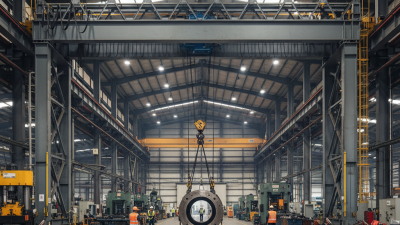
Overhead bridge cranes excel in various industrial applications. Their versatility makes them indispensable in manufacturing, construction, and warehousing. They can lift and transport heavy loads with ease, simplifying processes that otherwise require extensive manpower. From moving steel beams to transferring large machinery, these cranes adapt to various tasks efficiently.
Tips for Choosing an Overhead Bridge Crane:
Consider the load capacity you need. Analyze the weight and type of items you will handle. Ensure the crane specifications align with your requirements. Also, think about the workspace. Measure the height and width of the area to avoid operational issues.
Another key factor is the environment. Overhead cranes can perform in harsh conditions. However, they may need additional features like corrosion-resistant components. Evaluate the climate and potential hazards, ensuring your choice can withstand them. While remarkable, these cranes could come with challenges. Regular maintenance is vital to prevent breakdowns and ensure safety. Ignoring upkeep may lead to costly repairs. Plan for training your operators, too. Skilled handling makes a significant difference in efficiency and safety.
Why Choose Over Head Bridge Crane for Your Next Project? - Versatility of Applications for Overhead Bridge Cranes
| Application |
Industry |
Load Capacity (tons) |
Span Length (meters) |
Lift Height (meters) |
| Manufacturing Assembly |
Manufacturing |
10 |
20 |
7 |
| Warehouse Operations |
Logistics |
5 |
15 |
5 |
| Bridge Maintenance |
Construction |
8 |
30 |
6 |
| Metalworking |
Manufacturing |
15 |
25 |
8 |
| Heavy Equipment Installation |
Construction |
20 |
28 |
10 |
Key Features to Look for in Overhead Bridge Cranes
When selecting an overhead bridge crane for your project, it's essential to focus on key features. The lifting capacity is paramount, determining how much load can be safely moved. Many cranes offer capacities ranging from 1 ton to over 100 tons. According to industry reports, around 70% of businesses look for cranes that can accommodate their heaviest loads efficiently.
Additionally, consider the span of the crane. A wider span allows for greater maneuverability, impacting the overall productivity of your operations. Industry data suggests that cranes with spans of 20-40 feet are popular for medium-sized facilities, while larger operations often require spans exceeding 60 feet.
Tip: Always assess the environment in which the crane will operate. Compatibility with existing infrastructure, such as height and space constraints, is crucial.
Another vital feature is the control system. Modern cranes offer advanced controls, improving operator safety and efficiency. A complex control system can lead to confusion during operation. However, a more straightforward interface can enhance usability.
Tip: Regular training sessions for operators can reduce accidents and improve overall performance. This investment in training pays off, encouraging a culture of safety.
Key Features Comparison of Overhead Bridge Cranes
Cost-Effectiveness and Efficiency of Overhead Bridge Cranes
Overhead bridge cranes are becoming essential in various industries. Their cost-effectiveness and efficiency make them an attractive choice. These cranes can lift heavy loads, saving time and enhancing productivity. They reduce the need for manual labor, which can lower the risk of injuries. Besides, their versatility allows them to move in multiple directions, optimizing workspace utilization.
When considering an overhead bridge crane, it’s important to assess your specific needs. Analyze the weight and size of the loads you will be moving. This can help you determine the right crane specifications. Also, think about the layout of your workspace. Ensure there is ample room for the crane's movement.
Tip: Regular maintenance is key to prolonging the lifespan of your crane. Schedule routine inspections to avoid unexpected failures. Upgrading components periodically can also enhance efficiency. Always train your operators properly to ensure safe usage. Investing in training can prevent accidents and equipment damage.
Safety Considerations When Using Overhead Bridge Cranes
Safety is paramount when using overhead bridge cranes. These heavy-duty machines require proper training and procedures to ensure safe operation. Operators must be thoroughly trained in the crane’s functions and safety protocols. They should be aware of load limits and the proper use of rigging equipment. A thorough inspection before each use can prevent accidents.
Regular maintenance is critical to keep the crane running efficiently. Inspections should check for wear and tear on cables, pulleys, and other components. Missing or damaged parts can lead to failures. Operators should also engage in continuous safety training to stay updated on best practices.
In addition, worksite hazards must be assessed. Identifying potential risks like overhead obstacles or moving machinery is essential for safety. Implementing clear communication protocols among team members can also enhance safety. Every worker’s responsibility is to maintain a safe environment, which requires constant vigilance. Mistakes happen, and acknowledging them is crucial to improving safety culture.