How to Choose the Best Over Head Bridge Crane for Your Needs
Choosing the right Over Head Bridge Crane is essential for operational efficiency. This equipment plays a crucial role in various industries, from manufacturing to construction. A well-selected crane can enhance productivity, improve safety, and reduce operational costs. However, the decision-making process can be overwhelming due to the variety of options available.
When considering an Over Head Bridge Crane, it’s important to assess your specific needs. Factors like load capacity, span length, and lift height must be evaluated carefully. Each industry may require different specifications, so understanding your unique requirements is vital. Additionally, you should reflect on the intended usage. Will it be for a heavy load or frequent small lifts? Such nuances can greatly influence your choice.
Moreover, consult with experts in the field. They can provide insights on the latest technologies and trends in Over Head Bridge Cranes. Also, considering maintenance and warranty options can impact long-term satisfaction. It's not just about the initial purchase, but also about future needs and potential upgrades. Balancing these considerations can lead to a more informed decision, ultimately leading to a crane that truly fits your operational requirements.
Factors to Consider When Selecting an Overhead Bridge Crane
Choosing the right overhead bridge crane can be challenging. Several key factors significantly impact your decision. Load capacity is crucial. Assess the maximum weight your crane needs to lift. A crane that cannot handle expected loads can lead to safety hazards.
Next, consider the span of the crane. Measure the width of your workspace. This measurement affects the crane’s reach and efficiency. The right span ensures smooth movement across your operation area.
Additionally, think about the operating environment. Is it indoor or outdoor? Will the crane be exposed to harsh conditions? Environmental factors matter.
Finally, evaluate the installation and maintenance aspects. Some cranes require complex setups, while others are more straightforward. Regular maintenance is essential for durability and safety. Reflecting on these factors helps narrow down options. Make informed choices to enhance productivity and safety in your workspace.
Types of Overhead Bridge Cranes and Their Applications
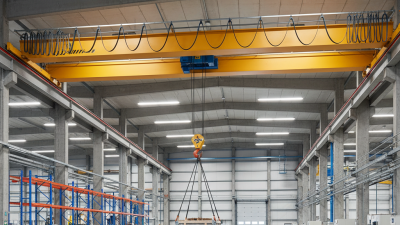
Choosing the right overhead bridge crane requires understanding its types and applications. There are three main types: single girder, double girder, and gantry cranes. The single girder crane is suitable for lighter loads, typically ranging from 1 ton to 10 tons, while double girder cranes can handle heavier loads, often exceeding 10 tons.
Each type serves unique industries. Single girder cranes are widely used in manufacturing for assembly operations. Industries like automotive benefit from their agility. On the other hand, double girder cranes are preferred in warehouses or heavy manufacturing, where lifting capacities can exceed 100 tons. According to a recent industry report, over 40% of businesses indicated a preference for double girder cranes due to their versatility and strength.
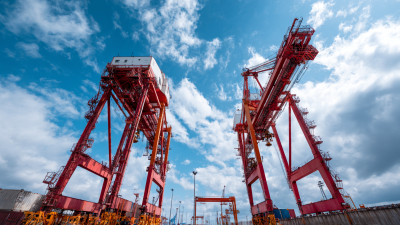
Gantry cranes, typically used for outdoor applications, excel in shipyards and construction sites. They are designed to handle large loads and span considerable distances. However, many companies report challenges with their stability in windy conditions. A careful consideration of these factors will help engineers and decision-makers choose the best crane for their specific lifting needs and operational environments.
How to Choose the Best Over Head Bridge Crane for Your Needs - Types of Overhead Bridge Cranes and Their Applications
| Type of Crane |
Load Capacity |
Span Length |
Application |
| Single Girder Overhead Crane |
up to 10 tons |
10 to 25 feet |
Light to medium-duty lifting |
| Double Girder Overhead Crane |
up to 500 tons |
20 to 100 feet |
Heavy-duty lifting |
| Workstation Bridge Crane |
up to 2 tons |
10 to 30 feet |
Assembly lines, machining |
| Jib Crane |
up to 10 tons |
6 to 25 feet |
Localized lifting tasks |
| Explosion Proof Crane |
up to 20 tons |
15 to 40 feet |
Hazardous environments |
Load Capacity Requirements for Overhead Bridge Cranes
When selecting an overhead bridge crane,
load capacity is crucial. It's not just about lifting weight; it involves
safety and efficiency. Each project demands specific
requirements. For instance, if a crane lifts heavy machinery, the load capacity must exceed the maximum weight.
This ensures that the crane operates smoothly without risking failure.
Consider the materials involved. Heavy steel beams require more
robust cranes. Understanding your workspace helps. If a crane operates in a confined area, an excessively
large capacity may not be necessary. Overestimating load capacity can lead to increased costs.
Achieving the right balance is essential, as insufficient capacity may cause operational delays or even
accidents.
Reflecting on past experiences can aid your decision. Sometimes, users choose cranes based solely on
maximum capacity. This approach overlooks critical factors like the crane's operation frequency and lifespan.
A well-rounded choice significantly influences daily operations.
Prioritizing load capacity, while factoring in other elements, leads to
a sound investment.
Safety Features to Look for in Overhead Bridge Cranes
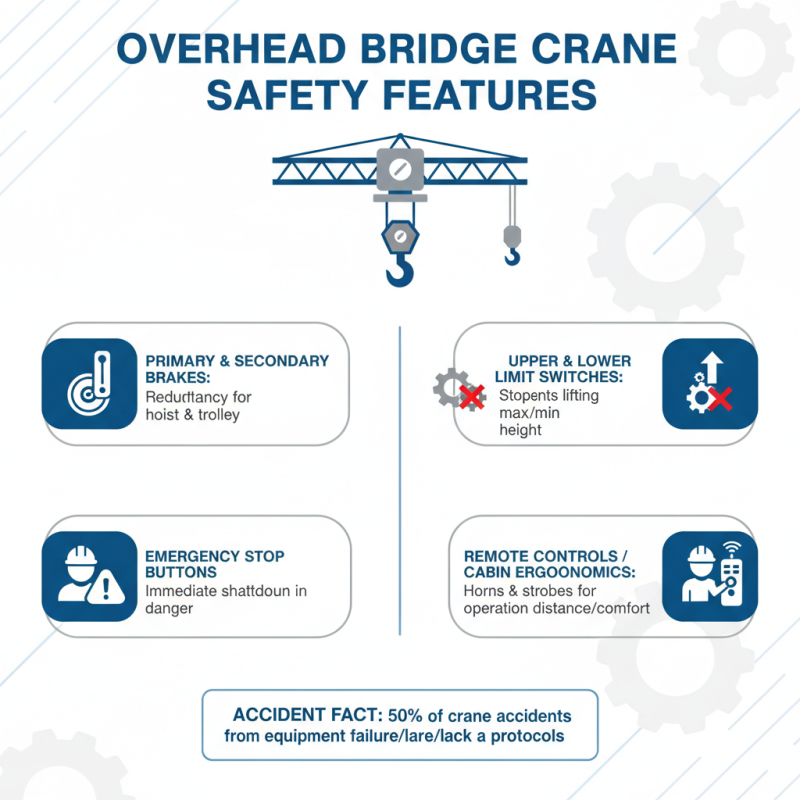
When selecting an overhead bridge crane, safety features are paramount. According to industry reports, around 50% of accidents related to crane operations are due to equipment failure or lack of safety protocols. Thus, assessing safety features is critical.
Look for cranes equipped with load moment indicators. These devices prevent overloading, which is a leading cause of failures. They calculate real-time weight and alert operators when limits are approached. Additionally, automatic shut-off systems enhance safety by ceasing operation under unsafe conditions.
Tip: Inspect the electrical systems for redundancy. A reliable electrical control system minimizes the risk of malfunctions.
Consider anti-collision systems as well. These sensors detect obstacles in the crane's path, significantly reducing the chance of accidents. Lastly, ensure the crane complies with OSHA standards. Regular certifications demonstrate that the equipment meets safety regulations and operational standards.
Tip: Keep a maintenance log. Regular checks can identify wear and tear before safety becomes a concern. Investing in robust safety features can lead to a safer working environment and improve overall operational efficiency.
Budgeting and Maintenance Considerations for Overhead Cranes
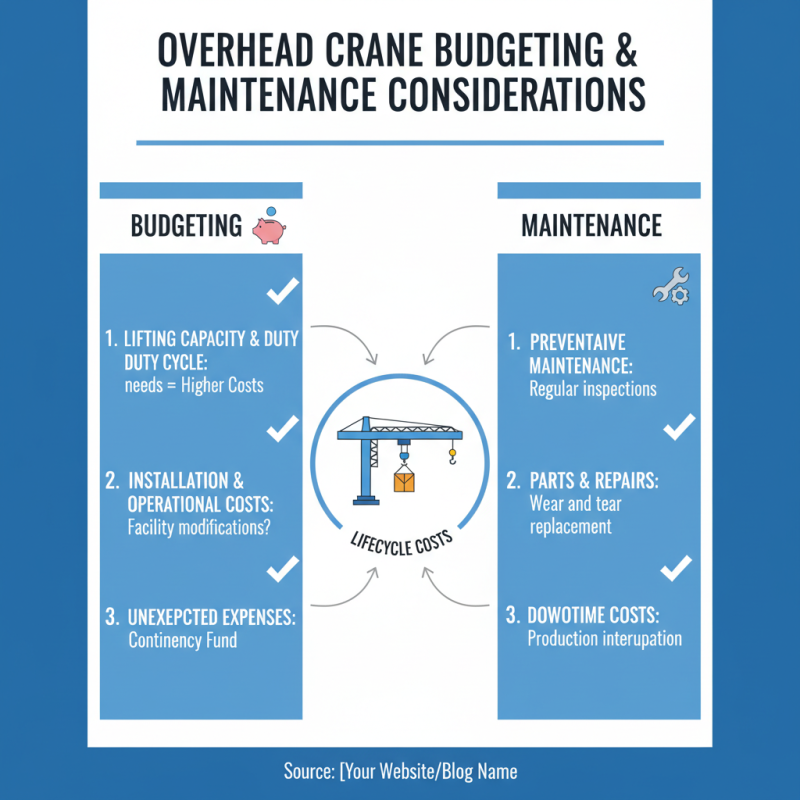
Budgeting for an overhead bridge crane involves several key factors. Start by identifying your lifting capacity and duty cycle needs. Higher capacities often require more robust designs, leading to increased costs. Don’t forget installation and operational costs. These can escalate if modifications to your facility are necessary. Account for potential unexpected expenses during the budgeting process.
Maintenance is crucial for the longevity of overhead cranes. Regular inspections can prevent costly breakdowns. Develop a comprehensive maintenance schedule tailored to your crane’s specific needs. Inspect components like hoists, cables, and electrical systems. Small issues, if neglected, can lead to significant problems down the line. Consider training staff on basic maintenance. This not only saves money but enhances safety.
Reflecting on your choices is essential. Balancing budget constraints with safety and reliability can be challenging. It’s vital to periodically assess the effectiveness of your crane’s performance. Are you achieving optimal productivity? Through careful budgeting and diligent maintenance, you can improve your operations while ensuring the safety of your workplace.