Top 10 Best Girder Cranes for Your Industrial Needs?
In today’s industrial landscape, efficiency and safety are paramount. A reliable girder crane can significantly enhance productivity. These cranes are designed to handle heavy loads with precision. Choosing the right one is crucial for any operation.
Girder cranes come in various models, each catering to different needs. Some cranes excel in load capacity, while others prioritize speed and precision. It’s essential to assess the specific requirements of your facility. This includes space, weight limits, and the nature of materials being handled. A mismatch could lead to inefficiencies or even accidents.
Investing in a superior girder crane can transform your workflow. However, not all cranes are created equal. Some may not deliver the promised results, leading to potential operational setbacks. Buyers should do thorough research and consider expert advice. Understanding the strengths and limitations of different options is vital for making an informed choice.
Top Features to Consider When Choosing a Girder Crane
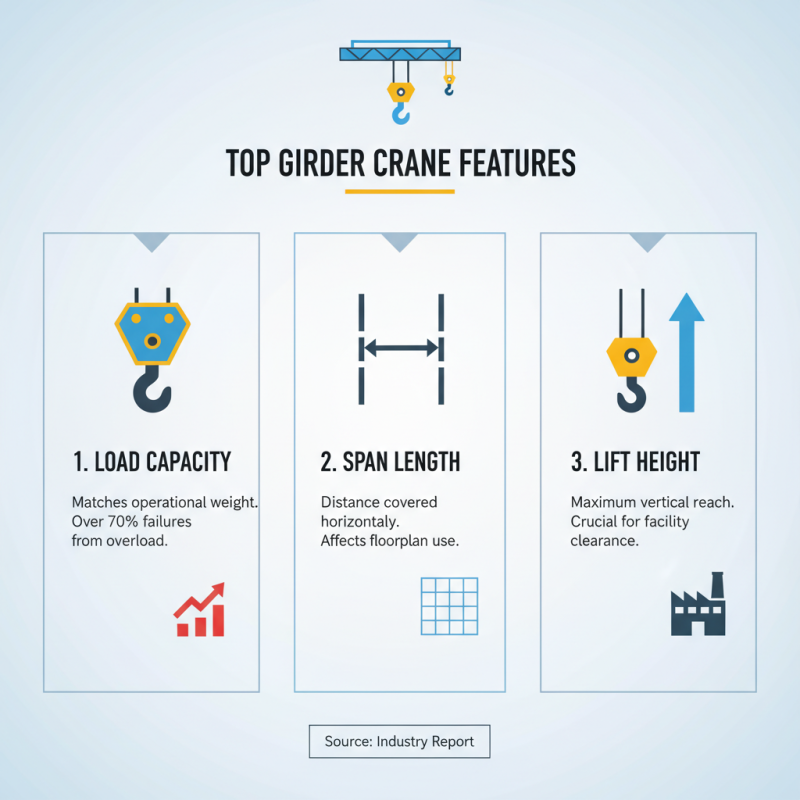
When selecting a girder crane, several key features should be evaluated to meet industrial needs effectively. Load capacity is paramount; ensure the crane can handle the expected weight. According to a recent industry report, over 70% of crane failures relate to exceeding load limits. It’s crucial to match the crane's specifications with operational demands. Factors such as span length and lift height also significantly influence performance.
Consider the crane's speed and control features. High-speed operations can increase efficiency, while precise control aids in safety. Studies suggest that cranes with advanced control systems can reduce operational downtime by up to 25%. Additionally, look for features such as overload protection systems, which enhance safety and reliability.
**Tip:** Always assess the crane’s compatibility with existing equipment. Outdated or incompatible models can lead to inefficiency. Regular maintenance is necessary; neglected cranes can create unexpected hazards. Investigate the crane's construction material as well; heavier materials might increase durability but can also impact mobility. Balancing these factors requires careful thought and planning.
Different Types of Girder Cranes and Their Applications in Industry
Girder cranes are essential for various industrial applications. They come in different types, including
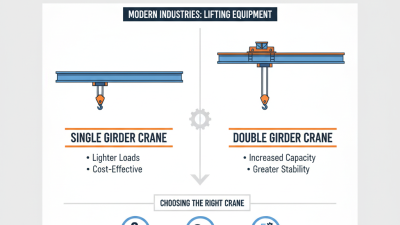
single girder, double girder, and
arch-type cranes. Each type serves different workloads and environments,
maximizing operational efficiency. The global girder crane market is projected to grow at a
CAGR of 5.6% between 2021 and 2026. This growth underscores the
importance of selecting the right crane for specific industrial needs.
Single girder cranes are typically used for
lighter loads. They provide a cost-effective solution for places with lower lifting requirements. In contrast,
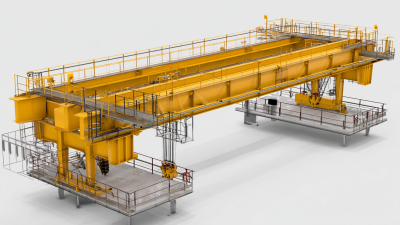
double girder cranes are ideal for
heavier loads and larger spans. They offer enhanced stability and are often used in heavy manufacturing and
shipping industries. Arch-type cranes are becoming popular in settings with limited headroom, providing
efficient lifting solutions without compromising space.
Tips: Keep maintenance costs in mind. Regular inspections can
prevent costly repairs. Also, consider your facility's layout. A well-planned space can enhance crane
efficiency.
In some cases, companies may underestimate load capacities. This can lead to operational hazards. Conduct
thorough assessments before choosing a crane. Seeking expert advice can significantly improve your decision-making.
Remember that each type of crane has its advantages and
limitations, so weigh them carefully.
Performance Metrics: Load Capacity and Span Length of Girder Cranes
When selecting a girder crane, two critical performance metrics stand out: load capacity and span length. Load capacity refers to how much weight a crane can lift. It is essential to choose a crane that matches your operational demands. Typically, industrial applications require cranes that can lift anywhere from a few tons to several hundred tons. Knowing your specific needs helps prevent overloading or underutilizing the equipment.
Span length is equally important. It indicates the distance between the crane's supports. A well-chosen span allows for efficient movement across large areas, reducing downtime. Different tasks may necessitate different span lengths, affecting how effectively the crane can operate in your workspace. Careful consideration of both metrics is crucial for optimizing performance.
In practice, many users discover that they need to reevaluate their initial choices. A latter realization can lead to costly adjustments or inefficient operations. For instance, an overly short span may limit accessibility to certain areas. On the other hand, an insufficient load capacity can lead to safety hazards. Balancing these aspects requires thorough planning and industry knowledge. A tailored approach ensures safety and productivity in your industrial environment.
Safety Standards and Regulations Governing Girder Crane Operation
When operating girder cranes, adhering to safety standards is crucial. Various organizations set guidelines to ensure the safe usage of cranes. These regulations cover inspection protocols, operator training, and equipment maintenance. Regular checks are mandatory; without them, risks increase significantly. Operators should be well-versed in these regulations for optimal safety.
Tips: Ensure all operators receive proper training. Regular practice helps build confidence. Look for certification programs that meet safety standards. Checklists for daily inspections can aid in identifying potential issues.
Failing to comply with safety standards may lead to accidents. Understanding load limits is vital. Overloading a crane can result in catastrophic failure. It’s important to constantly assess loads and ensure they are within safe limits. Training in load management is often overlooked but is essential for safety.
Top 10 Best Girder Cranes for Your Industrial Needs
| Model |
Load Capacity (tons) |
Span (meters) |
Drive Type |
Safety Features |
Compliance Standards |
| A Series G5 |
5 |
10 |
Electric |
Overload protection, Emergency stop |
ISO 9001, OSHA |
| B Series G10 |
10 |
12 |
Hydraulic |
Anti-collision systems, Limit switches |
ASME B30.2, CE |
| C Series G15 |
15 |
15 |
Electric |
Load monitoring, Safety rails |
ISO 45001, ANSI |
| D Series G20 |
20 |
20 |
Electric |
Emergency brakes, Safety locks |
IEC 61508, HSE Guidelines |
| E Series G25 |
25 |
25 |
Hydraulic |
Load cells, Visual indicators |
ISO 9001, CSA |
| F Series G30 |
30 |
30 |
Electric |
Signal systems, Interlock systems |
OSHA, ANSI |
| G Series G35 |
35 |
35 |
Hydraulic |
Smart monitoring, Remote control |
ISO 45001, EN |
| H Series G40 |
40 |
40 |
Electric |
Redundant systems, Safety audits |
ANSI B30, ISO 9001 |
| I Series G45 |
45 |
45 |
Hydraulic |
Full body protection, Alarms |
CE, ISO 45001 |
| J Series G50 |
50 |
50 |
Electric |
Safety barriers, Periodic inspections |
API, OSHA |
Innovative Technologies Enhancing Efficiency of Girder Cranes
Innovation is driving the efficiency of girder cranes in industrial applications. Modern technologies are transforming how these cranes function. For example, advanced motion control systems enhance precision and speed. They reduce downtime during operations. This optimization leads to better productivity.
Another breakthrough is the integration of IoT technology. Sensors on cranes collect real-time data. This data helps monitor performance and preemptively identifies maintenance issues. With predictive analytics, companies can schedule repairs before breaks occur. It saves both time and money.
Despite these advancements, challenges remain. Some facilities struggle to adapt to new technologies. Training staff is essential for maximizing the benefits. Furthermore, not all cranes can support the latest innovations. Organizations need to evaluate their equipment's compatibility thoughtfully. Balancing technology with hands-on experience is key to success.