Top Gantry Crane Manufacturers for Global Buyers?
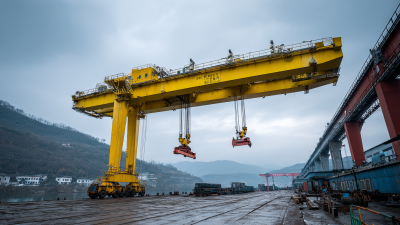
The global demand for Gantry Cranes has been on the rise. These cranes are essential in various industries, from construction to shipping. As the need for efficient material handling grows, so does the importance of selecting reliable manufacturers.
In this landscape, identifying top suppliers can be challenging. Several factors can influence your decision. Quality, cost, and service are paramount when sourcing a Gantry Crane. It is vital to consider manufacturers with proven expertise and a solid reputation. A look into their track record can reveal insights into their reliability.
Understanding the industry's best players is crucial for informed buying decisions. Many manufacturers offer innovative solutions, but not all may meet your needs. Balancing price with quality is often a difficult task. Your choice of a Gantry Crane could impact operational efficiency and safety. Investing time in research can pay off significantly in the long run.
Leading Gantry Crane Manufacturers in the Global Market
The global gantry crane market is experiencing a significant surge, driven by the increasing demand for efficient loading and unloading operations. According to recent industry reports, the market is expected to grow at a CAGR of 6.5% from 2023 to 2030. This growth highlights the crucial role of gantry cranes in various sectors, including construction, manufacturing, and shipping.
Leading manufacturers are focusing on innovation to enhance crane performance. They invest heavily in advanced materials and technology. This emphasis on durability and efficiency can notably reduce operational costs. Despite these advancements, some manufacturers struggle with supply chain issues and maintenance challenges, often affecting delivery times. It is essential to approach these concerns transparently to maintain strong buyer relationships.
Quality standards are paramount. Manufacturers are increasingly adopting certifications and guidelines to ensure safety and reliability. However, discrepancies in regulatory requirements across regions can pose hurdles. Buyers need to conduct thorough research and audits before making a purchase. Awareness of these factors can lead to more informed decisions in this competitive market.
Top Gantry Crane Manufacturers for Global Buyers
| Manufacturer Location |
Production Capacity (Units/Year) |
Industry Applications |
Certification Standards |
Key Export Markets |
| North America |
5000 |
Construction, Shipping |
ISO 9001, CE |
Europe, Asia |
| Europe |
3000 |
Mining, Railways |
DIN, ISO 45001 |
North America, South America |
| Asia |
7000 |
Logistics, Warehousing |
SIS, JIS |
Australia, Middle East |
| Middle East |
2000 |
Oil & Gas, Construction |
ISO 14001 |
Asia, Africa |
| Africa |
1500 |
Construction, Mining |
SAZ, ISO 9001 |
Europe, Asia |
Key Features and Innovations of Top Gantry Crane Brands
Gantry cranes have become essential in various industries, offering flexibility and efficiency. When considering top manufacturers in this field, several key features stand out. One notable innovation is the increased lifting capacity, which allows these cranes to handle larger loads with ease. Enhanced safety features also play a crucial role, ensuring that operators and workers are protected during lifting operations.
Another interesting aspect is the integration of advanced technology. Many top brands now incorporate smart controls for precise movements. This leads to improved operational efficiency. However, some users may find the learning curve steep. It can take time for operators to adapt to these sophisticated systems.
Moreover, customization options are becoming more prevalent. Buyers appreciate tailored solutions for their specific needs. However, this can require close collaboration between manufacturers and clients, which may slow down the process. As the market evolves, staying informed about these innovations is vital for making well-informed purchasing decisions.
Top Gantry Crane Brands: Key Features and Innovations
Criteria for Selecting the Best Gantry Crane Manufacturers
When selecting gantry crane manufacturers, certain criteria stand out. Quality and reliability are paramount. A recent industry report indicated that nearly 30% of crane malfunctions arise from poor manufacturing quality. Therefore, scrutinizing a manufacturer’s quality control processes is essential.
Another key factor is customization capabilities. Gantry cranes often need specific adjustments based on usage. Consider whether a manufacturer can meet unique operational demands. Some reports show that about 45% of users reported enhanced efficiency from customized solutions.
Lastly, certification and compliance with safety standards cannot be overlooked. Manufacturers should adhere to internationally recognized guidelines. Compliance ratings can indicate a manufacturer's reliability. Approximately 60% of industries prioritize safety features in their equipment selections. Ultimately, buyers must reflect on these aspects when making informed decisions.
Regional Market Leaders in the Gantry Crane Industry
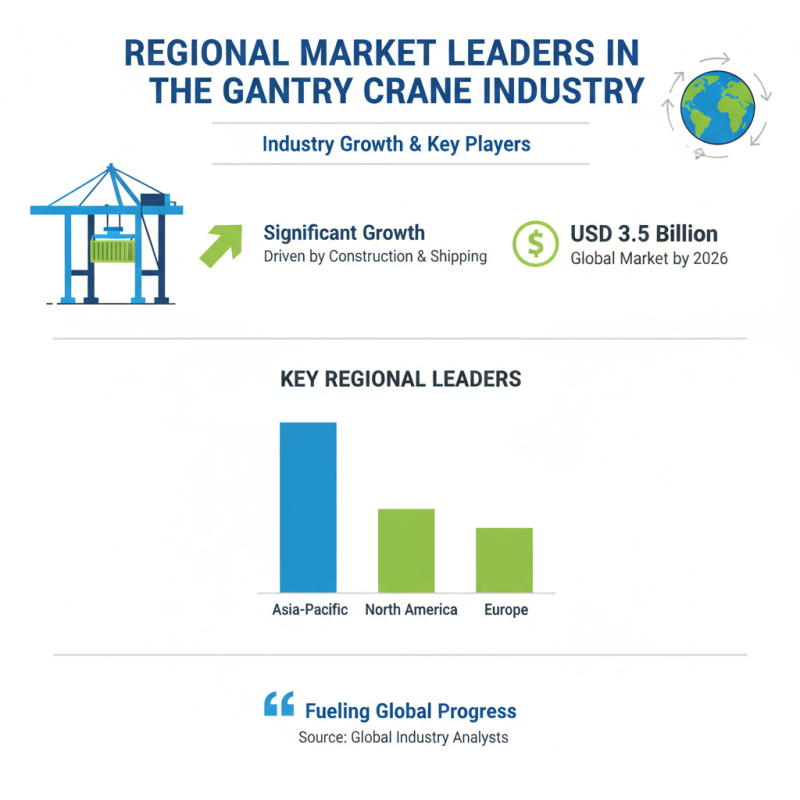
The gantry crane industry is witnessing significant growth, driven by increasing demand from various sectors such as construction and shipping. According to a recent analysis by Global Industry Analysts, the global gantry crane market is projected to reach USD 3.5 billion by 2026. This rapid expansion highlights the industry's importance and the leading regional players fueling this progress.
In North America, manufacturers are focusing on innovative designs to enhance operational efficiency. European countries are not far behind, investing heavily in automation technologies. Meanwhile, Asia-Pacific dominates market share. Countries like China and India are ramping up production capacity, catering to surging local and international demands. This regional leadership indicates a complex interplay of technological advancements and industrial needs.
Despite this positive outlook, challenges remain. Manufacturers often face issues related to safety regulations and evolving customer expectations. Additionally, varying international standards can complicate export efforts. Addressing these hurdles is vital for sustaining growth and meeting the diverse needs of global buyers in this dynamic environment.
Future Trends in Gantry Crane Manufacturing and Technology
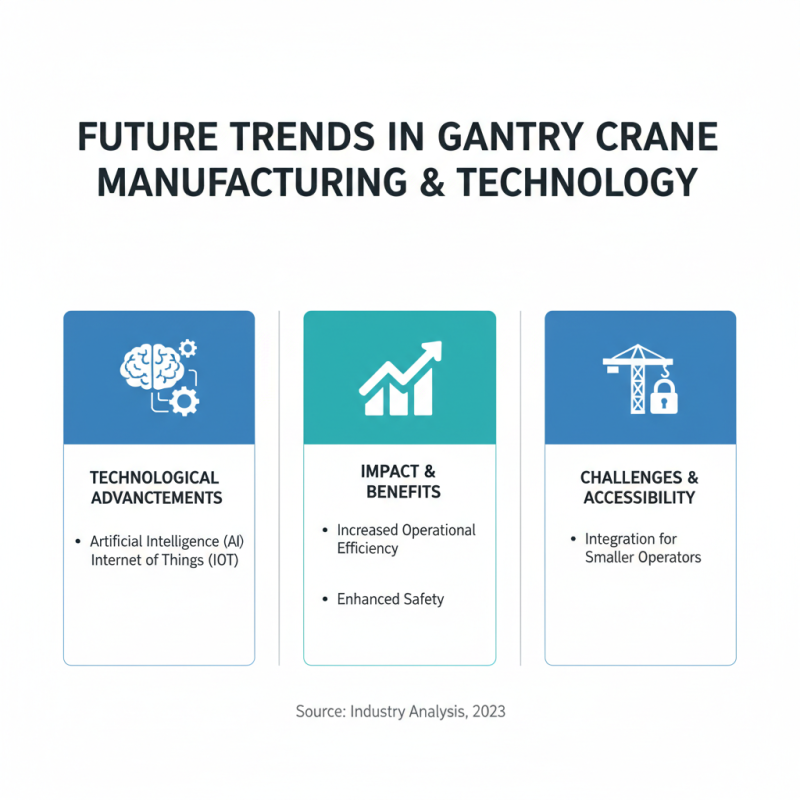
The gantry crane industry is evolving rapidly, influenced by technological advancements and changing market demands. Manufacturers are increasingly integrating artificial intelligence and IoT technologies into their designs. These innovations enhance operational efficiency and improve safety. However, the challenge lies in ensuring these technologies are accessible to smaller operators.
Sustainability is another trend shaping the future. Many manufacturers are focusing on reducing the carbon footprint of their cranes. Utilizing materials like lightweight alloys helps improve energy efficiency. Yet, the balance between cost and environmental benefits remains a complex issue. Can manufacturers meet both demands?
Remote monitoring systems are gaining popularity. They allow operators to oversee equipment performance and predict maintenance needs. While this increases uptime, it also raises concerns about data security. Manufacturers must prioritize cybersecurity to protect valuable operational data. The future of gantry cranes is promising, but it presents new challenges to navigate.