Explore the Best Ceiling Crane Options for Global Buyers?
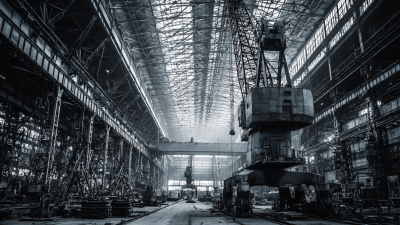
In recent years, the demand for efficient material handling has drastically increased. One solution that stands out is the Ceiling Crane. These systems are essential for optimizing spaces, especially in warehouses and factories. They allow for the effective lifting and transporting of heavy loads, reducing workplace injuries and improving productivity.
Choosing the right Ceiling Crane involves understanding various factors. Global buyers face challenges such as load capacity, design, and installation requirements. Many manufacturers offer a range of options, but not all meet every unique need. It’s vital to consider the reliability and durability of the crane. Investing in a high-quality ceiling crane can lead to long-term operational benefits.
However, not all ceiling cranes are created equal. Some may lack the necessary safety features or may not undergo rigorous testing. Global buyers should remain vigilant. Researching and comparing products is crucial. It helps ensure that the chosen ceiling cranes comply with industry standards. Understanding these complexities leads to smarter purchasing decisions in the long run.
Understanding Ceiling Cranes: Definitions and Types
Ceiling cranes are essential tools in various industries. They improve efficiency and enhance safety during material handling. Understanding the types of ceiling cranes can help buyers make informed decisions.
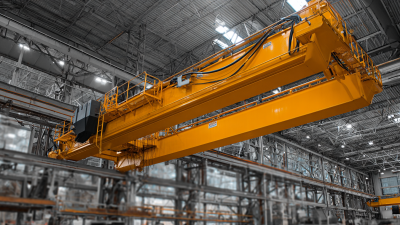
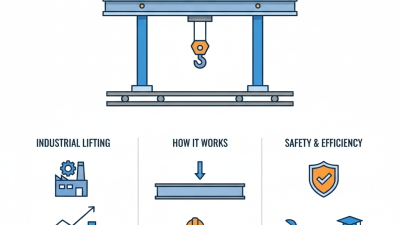
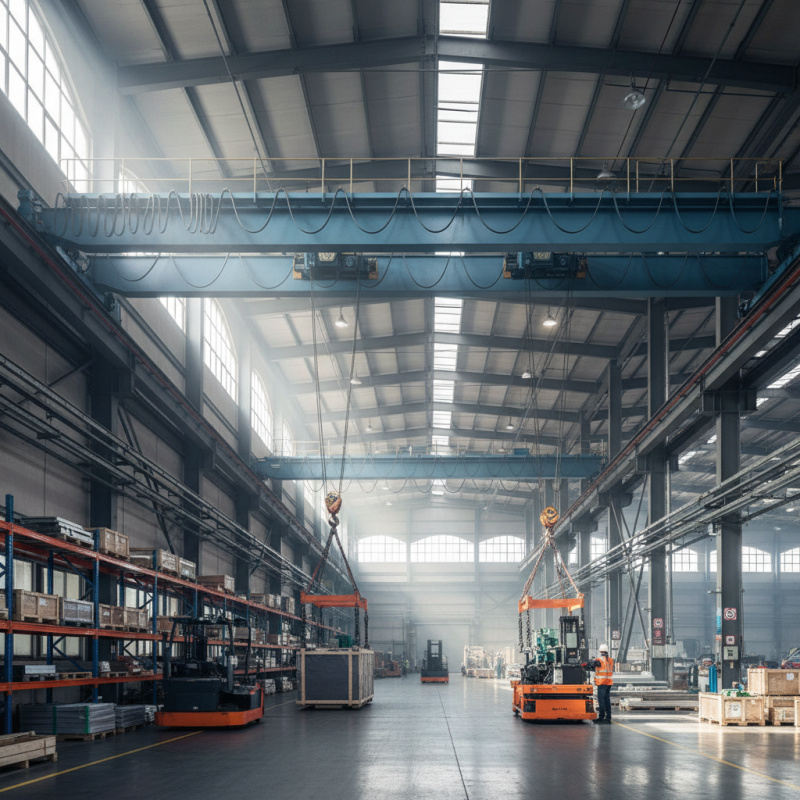
There are several types of ceiling cranes. The most common are bridge cranes, gantry cranes, and jib cranes. Each type serves different purposes and has unique features. Bridge cranes run on elevated tracks, allowing them to cover large areas. Gantry cranes, meanwhile, can be moved easily on wheels. Jib cranes are ideal for localized lifting tasks.
Choosing the right ceiling crane requires understanding operational needs. Some buyers might focus on lifting capacity without considering available space. Others may prioritize mobility over functionality. This reflects the importance of thorough needs assessment before purchasing. Investing time in research can prevent costly regrets later on.
Key Features to Consider When Choosing a Ceiling Crane
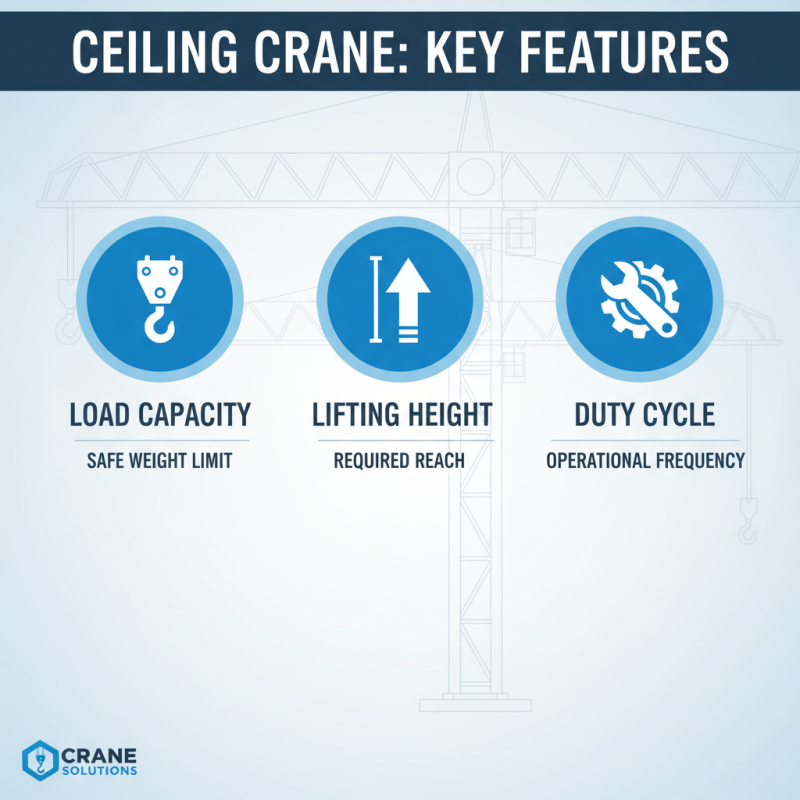
When selecting a ceiling crane, there are several vital features to consider. Load capacity is crucial. It determines how much weight the crane can lift safely. Buyers must evaluate their specific lifting needs. A crane that cannot handle the required load is not reliable. Also, check the lifting height. Some projects demand greater reach, while others do not.
Mobility is another important feature. Fixed cranes serve certain purposes, while mobile options offer versatility for different tasks. Look at the material and construction quality. A robust design can enhance longevity and safety. It is wise to consider the ease of installation as well. Complicated setups can lead to delays and higher costs.
Don’t overlook safety features. Systems with overload protection and emergency stops provide peace of mind. Additionally, maintenance requirements are essential. A crane that needs constant upkeep can become a headache. Balancing all these factors requires careful thought. It may take time to find the perfect fit for your needs.
Top Ceiling Crane Brands and Their Global Market Presence
The global market for ceiling cranes has seen steady growth, projected to reach $3.1 billion by 2025. As industries expand worldwide, the need for efficient lifting solutions increases. Many manufacturers are adapting to meet diverse needs across various sectors.
Top ceiling crane brands are recognized for their engineering excellence. They often engage in R&D to enhance safety and usability. Recent studies indicate that the demand for electric ceiling cranes, which are quieter and more energy-efficient, rose by 25% in 2022. This trend highlights the industry's shift towards sustainability.
However, not all brands maintain equal market presence. Some struggle with quality control, leading to inconsistent performance. Potential buyers should prioritize reliability, seeking data-backed reviews when selecting a crane. According to survey findings, 60% of users emphasize durability as a key factor in their purchasing decision. This reflects a growing awareness of the long-term costs associated with repairs and replacements.
Comparison of Global Market Share for Ceiling Cranes
Comparative Analysis of Ceiling Crane Performance and Pricing
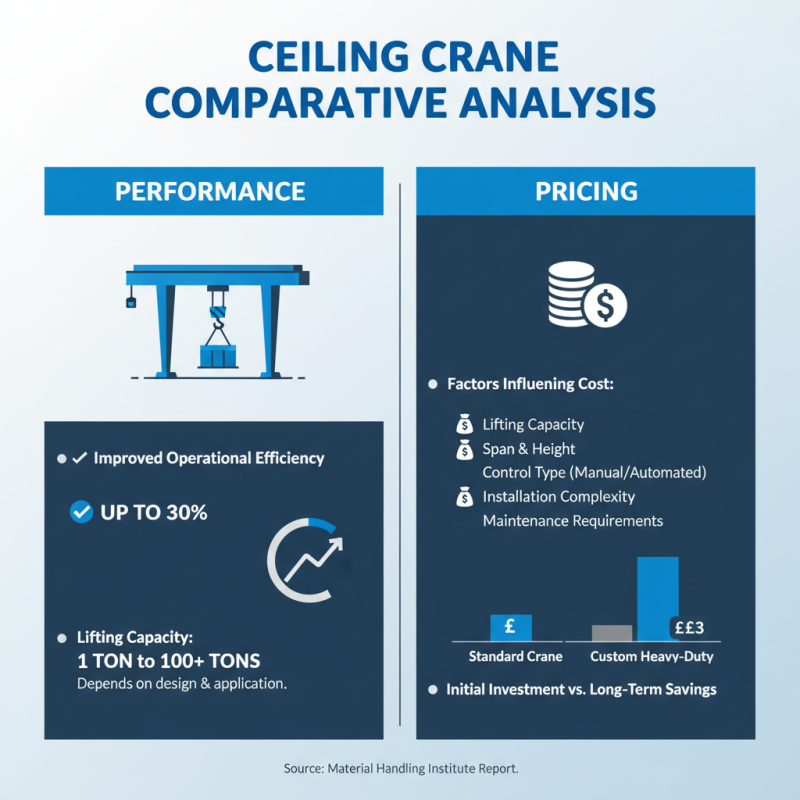
Ceiling cranes have become essential in various industries, facilitating better material handling. A recent report by the Material Handling Institute noted that overhead lifting systems improve operational efficiency by up to 30%. Performance metrics reveal that the lifting capacity of these cranes ranges from 1 ton to several tons, depending on design and application.
Price comparison across different ceiling crane options illustrates significant variability. Entry-level systems may start around $2,000, but advanced models can exceed $20,000. Maintenance and installation costs must also be factored in. Typically, budget-conscious buyers must balance features against expenses. Investing in a higher-quality model may yield better performance and longevity, reducing long-term costs.
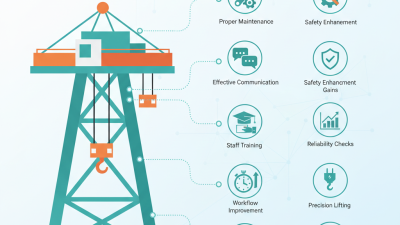
**Tips:** When selecting a ceiling crane, assess your lifting needs precisely. Consider factors like headroom, span length, and load capacity. Conduct regular maintenance checks to ensure optimal functionality. The right crane will not only enhance safety but also improve workflow efficiency. Misjudging load capacities can lead to accidents and downtime—always consult with experts before purchase.
Safety Standards and Compliance for Ceiling Crane Usage
When selecting ceiling cranes, safety standards are paramount. Compliance with established safety regulations mitigates risks. Organizations like OSHA and ANSI provide guidelines. These standards help ensure proper usage and maintenance, which are crucial for worker safety. Approximately 45% of workplace injuries are linked to material handling. Therefore, understanding regulations is vital for all stakeholders.
Training employees is essential. Proper instruction on crane operation reduces accidents. Studies indicate that 70% of crane-related incidents involve operator error. Implementing a robust training program can significantly lower this statistic. Regular inspections of cranes also contribute to safety and compliance. Equipment failure is a leading cause of incidents in material handling industries. Periodic checks help identify wear and tear, ensuring equipment integrity.
Furthermore, documenting safety procedures is key. Keeping accurate records aids in compliance audits. Many organizations overlook this aspect, leading to potential safety violations. Transparency can build trust and enhance overall workplace safety. Investing in safety training and compliance ultimately leads to efficient operations and reduced liability. Ensuring that every aspect of crane usage meets safety standards is not just a legal obligation; it reflects a commitment to employee welfare.
Explore the Best Ceiling Crane Options for Global Buyers - Safety Standards and Compliance for Ceiling Crane Usage
| Crane Type |
Load Capacity (tons) |
Span Length (m) |
Lifting Height (m) |
Safety Standards |
Compliance Certification |
| Bridge Crane |
5 |
10 |
5 |
ISO 9001 |
CE |
| Jib Crane |
2 |
5 |
3 |
ANSI B30.11 |
OSHA |
| Gantry Crane |
10 |
12 |
6 |
EN 15011 |
ASME B30.2 |
| Overhead Crane |
20 |
15 |
10 |
ISO 45001 |
GOST-R |
| Electric Hoist Crane |
3 |
7 |
4 |
ISO 14001 |
TÜV |