Top 10 Gantry Crane Tips for Efficient Global Sourcing
In today’s competitive landscape, efficient global sourcing is essential for success. A Gantry Crane plays a crucial role in this process, especially in the logistics and manufacturing sectors. These cranes improve workflow, lifting heavy materials with precision. However, many companies overlook simple tips that could enhance productivity.
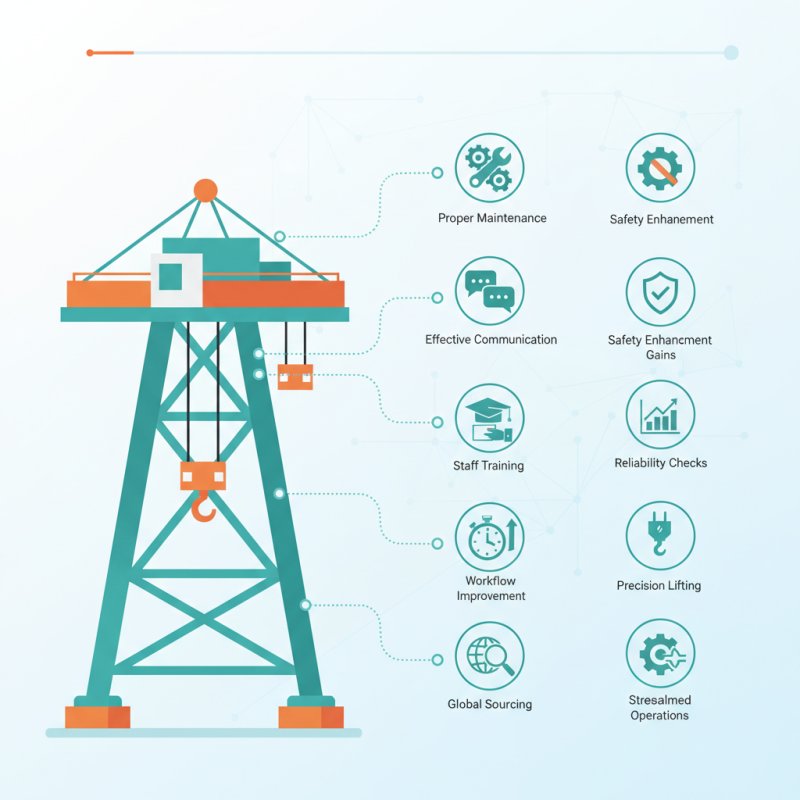
Understanding the nuances of Gantry Crane operation can make a significant difference. Proper maintenance is vital for reliability. Many users fail to check their equipment regularly, leading to unexpected downtime. Effective communication with suppliers also enhances sourcing efficiency. This often gets neglected in rush-driven environments.
Additionally, training staff on the latest Gantry Crane technologies is crucial. Employees should feel confident and competent. Investing in training can minimize mistakes and improve safety. Overall, the right strategies can lead to remarkable gains in productivity. Embracing these tips will streamline operations, creating a more robust sourcing framework.
Understanding the Basics of Gantry Cranes for Sourcing Decisions
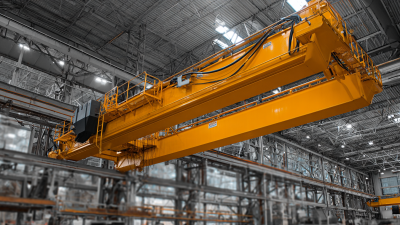
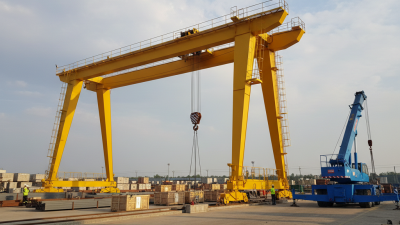
Understanding the Basics of Gantry Cranes for Sourcing Decisions involves grasping their functionality and key features. Gantry cranes are versatile tools for lifting and transporting heavy goods. Many industries utilize them for effective logistics. Their structure, typically a bridge supported by two legs, allows for movement across various terrains. This design enables spatial flexibility in warehouses and manufacturing plants.
When sourcing gantry cranes, consider load capacity and span specifications. These parameters directly impact their operational efficiency. Additionally, understanding the materials used in construction is vital. Steel cranes offer durability, but they can be more costly. Meanwhile, aluminum options are lighter and cheaper, but they may reduce weight limits.
Inspecting past performance and safety records of suppliers can help in making informed decisions. Not all cranes come with the same safety features. It's important to prioritize safety certifications and user feedback. Reflecting on these aspects can lead to smarter sourcing choices. Efficiency does not solely depend on equipment; it heavily relies on the right decisions and thorough evaluation.
Top 10 Gantry Crane Tips for Efficient Global Sourcing
| Tip Number |
Tip Description |
Key Benefits |
Considerations |
| 1 |
Assess Your Needs |
Ensures right specifications for your projects |
Consider load capacity and workspace dimensions |
| 2 |
Research Suppliers |
Find reliable and cost-effective options |
Verify credentials and past performance |
| 3 |
Compare Pricing |
Optimize budget allocation |
Watch for hidden fees |
| 4 |
Evaluate Technology |
Increases operational efficiency |
Consider ease of integration |
| 5 |
Check Compliance |
Avoid legal issues |
Stay updated on regulations |
| 6 |
Plan for Shipping |
Ensures timely delivery |
Consider freight costs and times |
| 7 |
Inspect Before Purchase |
Ensures quality and functionality |
Look for warranties and guarantees |
| 8 |
Know Maintenance Needs |
Maximizes equipment lifespan |
Consider service availability |
| 9 |
Train Your Team |
Improves safety and efficiency |
Account for training resources |
| 10 |
Review Performance |
Informs future purchasing decisions |
Gather feedback regularly |
Evaluating Suppliers: Key Factors for Gantry Crane Procurement
When exploring gantry crane procurement, evaluating suppliers is crucial. Start by understanding their industry experience. A supplier's track record can reveal their reliability and expertise. Ask about their history in providing gantry cranes. Look for positive testimonials from previous clients and case studies showcasing successful projects.
Quality assurance is another key factor. You should check if suppliers follow strict quality control measures. This ensures their products meet safety and performance standards. Don't hesitate to request certifications that validate their processes. A transparent supplier will gladly share this information.
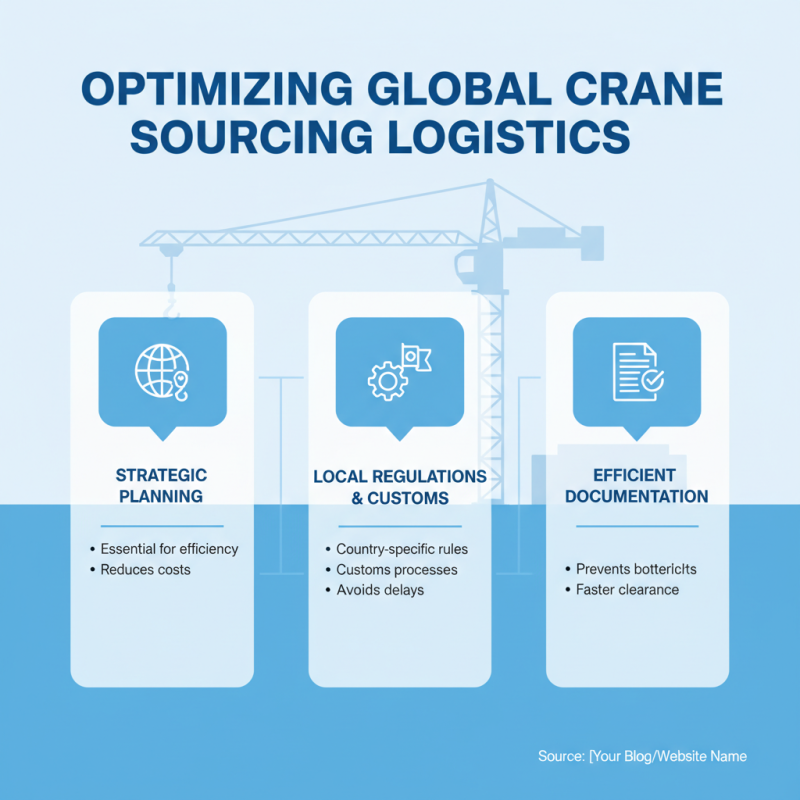
Consider geographical logistics as well. A supplier too far away can increase shipping times and costs. Evaluate their capacity for timely delivery. Have they faced delays in past projects? Understanding these factors can help streamline your procurement process. It might be necessary to reassess your supplier choices to avoid operational inefficiencies.
Ensuring Compliance with International Crane Safety Standards
In the world of gantry cranes, adhering to international safety standards is crucial. The Occupational Safety and Health Administration (OSHA) emphasizes that nearly 60% of crane accidents are linked to compliance failures. Ensuring safety not only protects workers but also enhances operational efficiency and reduces downtime.
Global sourcing of gantry cranes must account for various regulations, including the ISO 4301 standard, which governs crane safety across multiple regions. Understanding these regulations can be daunting. A recent report stated that 45% of companies faced challenges in sourcing compliant equipment. This knowledge gap can lead to costly delays and complications.
Rigorous training programs are essential for operators and engineers. Data shows that 70% of crane-related incidents stem from operator error. Investing in comprehensive training reduces this risk. Additionally, frequent equipment inspections align with safety guidelines and foster a culture of safety. Emphasizing ongoing education can bridge the compliance gap, but many organizations overlook this critical aspect. In a fast-paced industry, a proactive approach to safety standards will safeguard both personnel and productivity.
Leveraging Technology for Enhanced Gantry Crane Sourcing Efficiency
In today’s competitive landscape, leveraging technology for gantry crane sourcing has become essential. Advanced software solutions can streamline procurement processes, allowing businesses to manage sourcing more effectively. Real-time data analytics enables companies to track crane performance, ensuring they get the best value from their investments. Using cloud-based platforms can enhance collaboration among sourcing teams across different geographies.
Implementing automated systems can reduce manual errors. However, these technologies must be regularly updated to maintain their effectiveness. Without proper training, employees may struggle to utilize new tools efficiently. Establishing user-friendly interfaces can help mitigate this issue, but continual evaluation is necessary to identify any gaps.
Moreover, consider the security of digital sourcing methods. Data breaches might pose significant risks, therefore adopting robust cybersecurity measures is crucial. Regular risk assessments and adapting to new threats can strengthen sourcing security. Embracing technology while acknowledging these challenges will ultimately lead to improved efficiency in gantry crane sourcing.