2026 Top Gantry Crane Models for Global Buyers to Consider?
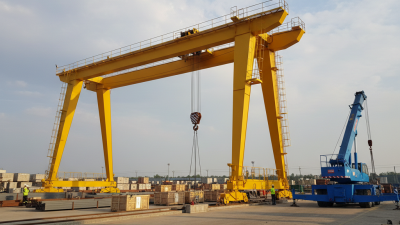
The gantry crane market is evolving rapidly, with an impressive projected growth rate of 4.5% from 2022 to 2028. This growth is fueled by increasing demand for material handling in industries like construction, manufacturing, and shipping. The versatility of gantry cranes makes them essential for various applications, from loading and unloading cargo to lifting heavy equipment.
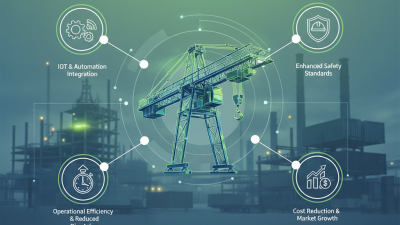
Globally, leading manufacturers are developing advanced models to cater to different operational needs. These cranes are designed to enhance efficiency and safety in workplaces. Furthermore, they are equipped with smart technology to improve automation in operations. Reports suggest that 70% of industry leaders prefer cranes with advanced control systems to minimize downtime.
However, the market also faces challenges. Variability in operational environments may affect crane performance. Buyers must evaluate models based on specific requirements and regional factors. Understanding potential limitations is crucial for making informed decisions. The right gantry crane can significantly impact productivity and safety in any operational setting.
2026 Advancements in Gantry Crane Technology
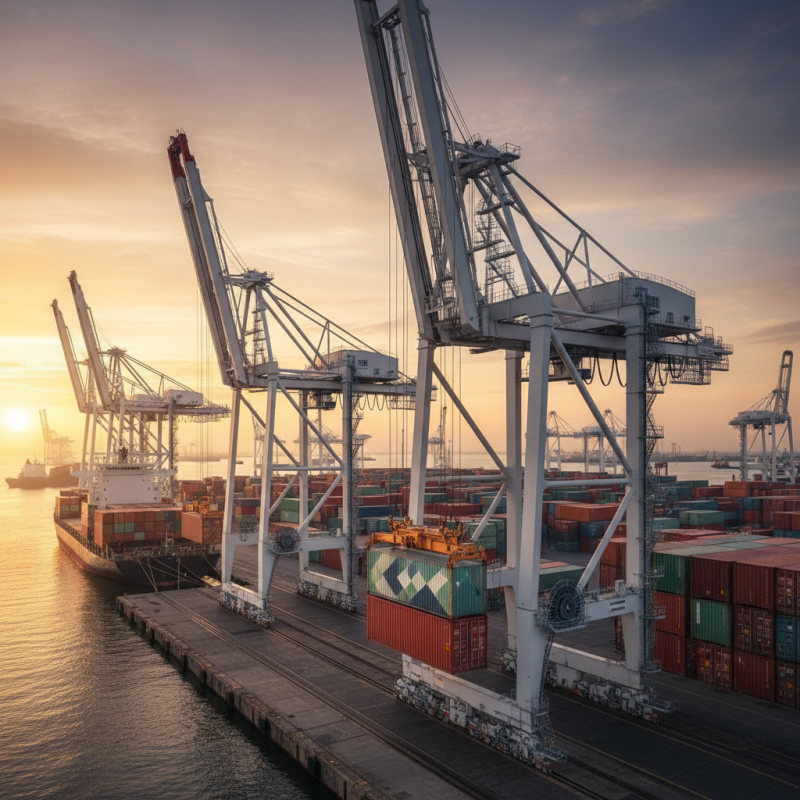
The advancements in gantry crane technology for 2026 showcase significant innovations.
Modern gantry cranes are now equipped with smart sensor systems.
These sensors enhance safety and operational efficiency. They allow cranes to communicate in real time with operators,
creating a more integrated logistics environment.
Automation is another key area of advancement.
Many new models feature automated controls. This means cranes can operate with limited human intervention.
This automation reduces errors and enhances productivity. Additionally, electric models are gaining traction,
which decreases environmental impact. Yet, not every facility might be ready for such rapid changes.
While these innovations bring many benefits, they also pose challenges.
Training staff to operate advanced systems can be demanding.
Transitioning from older models requires careful planning. Additionally, the cost implications of new technology
might deter some buyers. Balancing innovation with practicality is essential for successful implementation.
Key Features to Consider When Selecting a Gantry Crane
When selecting a gantry crane, several key features should be prioritized. The crane's lifting capacity is paramount. It must match the weights of the materials you handle regularly. Consider the maximum height and span of the crane. These dimensions are critical for effective operation in your workspace. A well-designed crane can make a significant difference in efficiency.
Another feature to evaluate is the mobility of the gantry crane. Cranes can be fixed or movable. Movable options allow for flexibility across different locations. You should also assess the materials used in construction. Steel cranes offer durability, while aluminum models provide lightweight advantages. Choosing the right material impacts both longevity and performance.
Safety features cannot be overlooked. Look for cranes with emergency stop buttons and overload protection systems. Additionally, examine the controls’ user-friendliness. Complicated controls can lead to delays and accidents. Regular maintenance is essential for any crane, but some designs require more attention than others. Ensuring that your chosen model is easy to maintain will save you future headaches. Keeping these considerations in mind will help you make a decision that best fits your operational needs.
2026 Top Gantry Crane Models for Global Buyers to Consider
| Model Name |
Load Capacity |
Span Length |
Height |
Power Source |
Key Features |
| Model A |
10 Tons |
12 m |
6 m |
Electric |
Robust design with advanced safety features. |
| Model B |
15 Tons |
15 m |
8 m |
Diesel |
High efficiency and fuel economy. |
| Model C |
20 Tons |
20 m |
10 m |
Hybrid |
Environmentally friendly with low emissions. |
| Model D |
25 Tons |
25 m |
12 m |
Electric |
Smart controls and high lifting speed. |
Top Gantry Crane Manufacturers and Their Leading Models
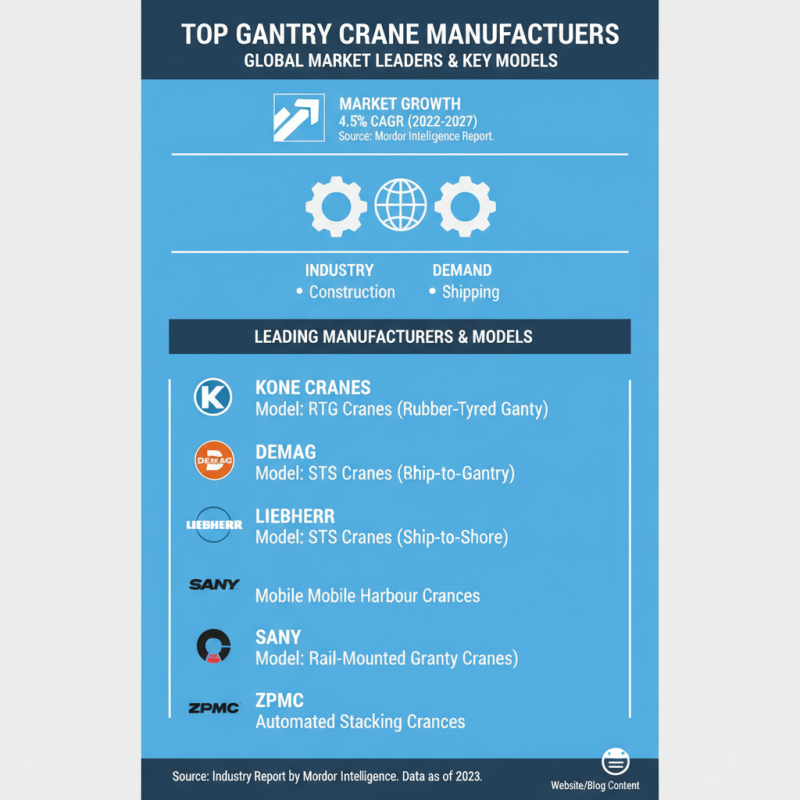
When considering gantry cranes for global markets, it's essential to explore leading manufacturers and their most popular models. According to a recent industry report by Mordor Intelligence, the global gantry crane market is projected to grow at a CAGR of 4.5% from 2022 to 2027. This growth reflects increasing demands in sectors such as construction and shipping.
Finding the right model can be challenging. The top manufacturers provide a range of options tailored to specific needs. For instance, lightweight designs are ideal for smaller projects, while heavy-duty models support larger loads. Selecting a gantry crane often requires insights into load capacities, span lengths, and operational environments, which can be complex. Each model has unique features that should align with operational demands to maximize efficiency.
Quality and innovation are crucial in this sector. Many manufacturers prioritize safety features, yet some designs may have room for improvement. Testing under various conditions can reveal potential weaknesses. As the industry evolves, manufacturers must adapt to changing regulations and technological advancements. Global buyers need to evaluate models critically and consult recent market analyses to make informed choices.
Global Trends Influencing Gantry Crane Purchases in 2026
In 2026, the gantry crane market is shaped by various global trends. Automation plays a crucial role. Many industries are adopting automated processes. This shift increases the demand for high-tech gantry cranes. These cranes often feature smart sensors and integrated software. Factories want efficiency and safety. As a result, buyers are looking for cranes that offer these innovations.
Sustainability is another key factor. Companies prioritize eco-friendly solutions. They seek cranes made from recyclable materials. Energy-efficient designs are also in demand. These cranes help reduce operational costs. However, finding a balance between performance and sustainability can be challenging. Buyers may face trade-offs regarding lift capacity and environmental impact.
Additionally, the global supply chain landscape affects purchases. Economic uncertainties can lead to fluctuations in material costs. Buyers must evaluate their budgets carefully. Planning is essential to avoid unexpected expenses. It raises questions about the long-term benefits of investment. Each market trend presents opportunities but also challenges that require thoughtful consideration.
Comparative Analysis of Gantry Crane Prices Across Regions
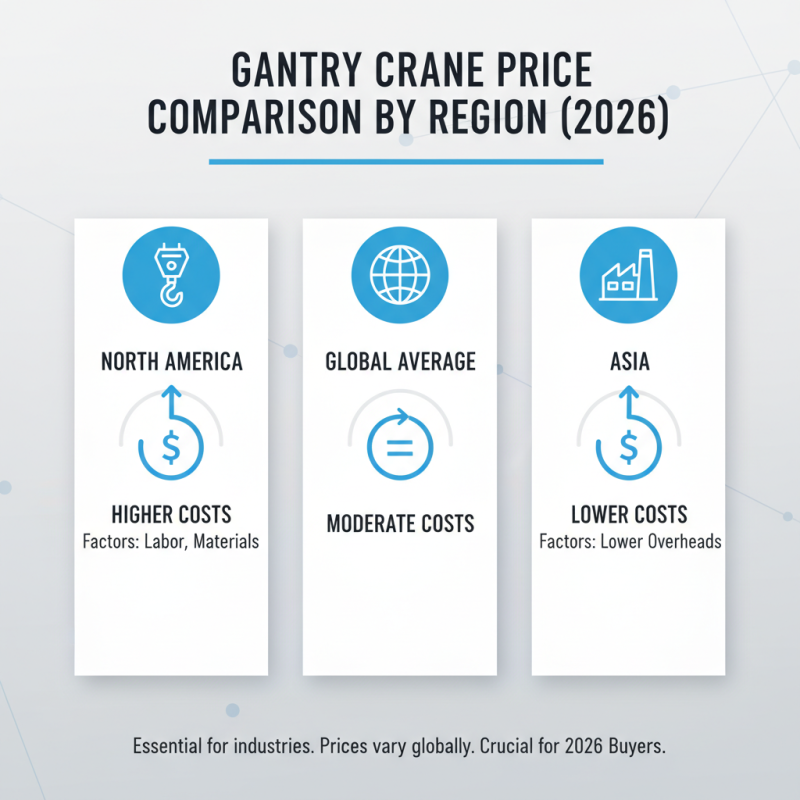
Gantry cranes are essential in various industries, offering flexibility and strength. However, prices can vary significantly across regions due to several factors. Understanding these differences is crucial for buyers in 2026. For example, costs in North America tend to be higher due to labor and material expenses. In contrast, many Asian countries provide competitive pricing due to lower overheads.
When analyzing prices, it's important to consider not just initial costs but also maintenance expenses. Buyers may find that a lower upfront price doesn't always equate to savings. Regions with advanced technology might charge extra for state-of-the-art features. However, these features can lead to long-term efficiency gains that justify the expense.
Investors should be aware of these regional disparities while making decisions. Often, cranes sourced from emerging markets may require more frequent repairs. This could lead to higher total costs in the long run. A thoughtful analysis is vital, as it highlights the balance between upfront investment and potential savings over time.