Top 10 Gantry Crane Models for Your Business Needs?
Selecting the right gantry crane model can significantly impact your business operations. According to recent industry reports, the global gantry crane market is projected to reach $5.6 billion by 2026, growing at a CAGR of 4.8%. This growth reflects the increasing demand for efficient material handling solutions across various sectors.
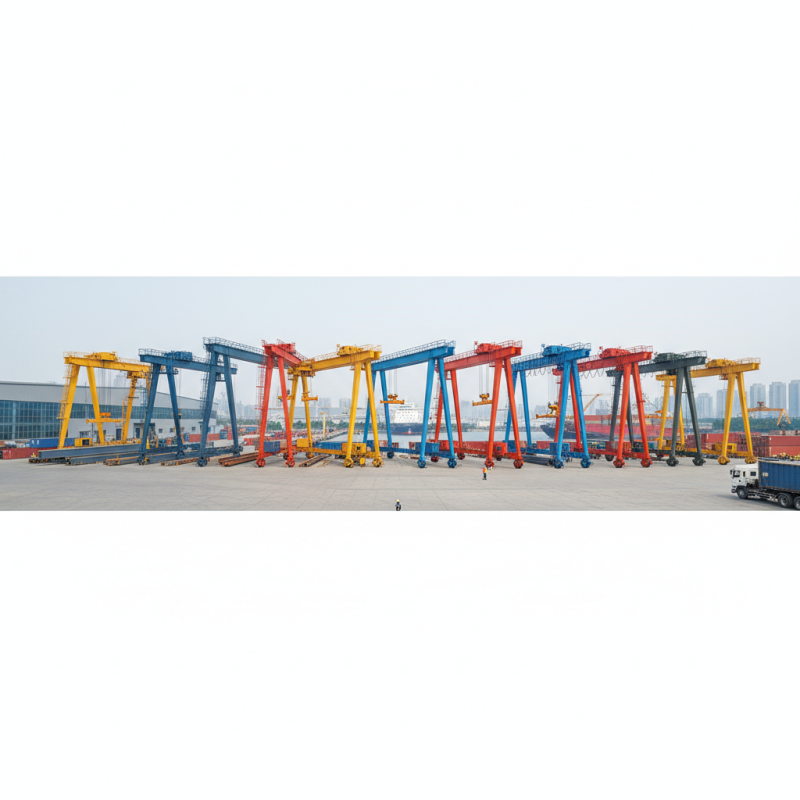
Gantry cranes are particularly favored for their versatility and space-saving designs. They are widely used in construction, manufacturing, and shipping industries. Many companies find it challenging to choose the right model for their specific needs. With numerous options available, this decision requires careful consideration of load capacity, height, and mobility features.
Investing in a gantry crane is a major commitment, and mistakes can be costly. Many businesses underestimate the importance of selecting a crane that fits their operational goals. By understanding your requirements and reviewing top models, you can make an informed decision. This guide aims to help professionals navigate the complexities of gantry crane selection.
Top Features to Consider in Gantry Cranes for Your Business
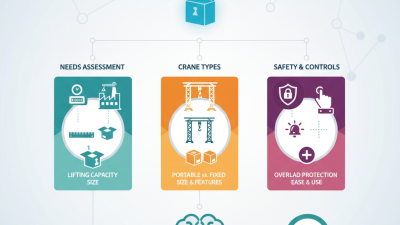
When selecting a gantry crane for your business, specific features can greatly enhance efficiency and safety. Load capacity is crucial. Ensure the crane can handle your heaviest loads comfortably. Pay attention to lifting height. It should accommodate your workspace needs without cramping operations. Stability is vital too. Look for cranes with a robust base and adjustable legs to ensure safe lifting.
Another important aspect is mobility. If your operations require frequent movement, consider a model with wheels. The crane’s design should allow for easy transportation and positioning. Control systems matter as well. User-friendly controls can reduce the risk of accidents and improve productivity. Also, consider maintenance needs. A crane requiring complex upkeep may lead to downtime and increased costs. Regular maintenance is essential, but the model should minimize this need.
Lastly, don’t overlook safety features. Emergency stops and overload protection are essential for safe operations. Evaluate past user experiences. While specifications are important, real-world feedback can highlight potential issues. Reflecting on these aspects will guide you toward the right gantry crane for your business needs.
Comparison of Popular Gantry Crane Models and Their Specifications
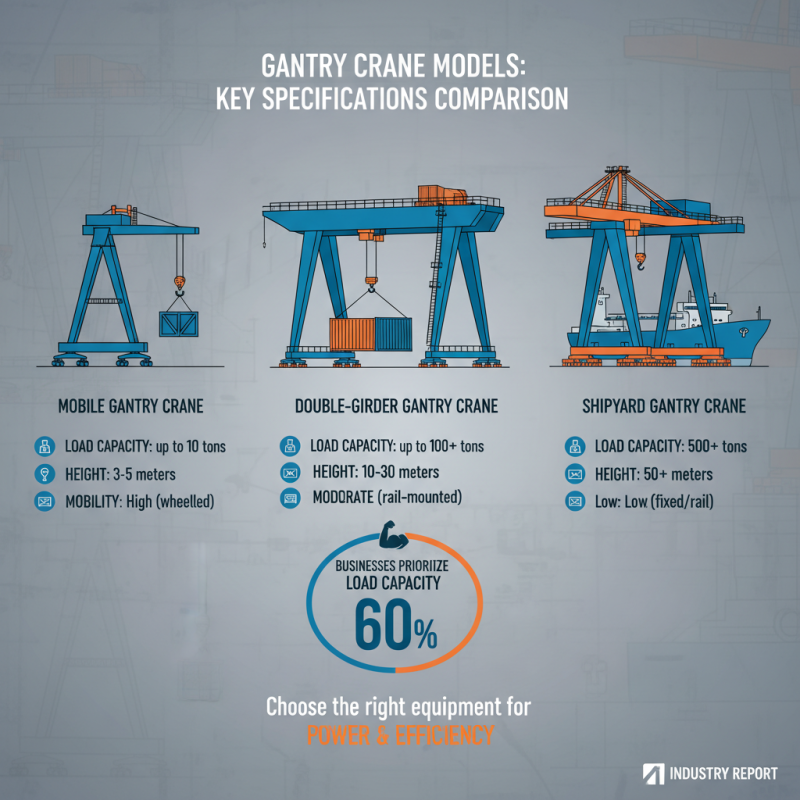
When comparing popular gantry crane models, it's crucial to consider their specifications. Understanding load capacity, height, and mobility can help businesses choose the right equipment. According to a recent industry report, over 60% of businesses prioritize load capacity when selecting a gantry crane. This data underscores the need for powerful options that can handle various tasks efficiently.
Many models offer different configurations. For example, a standard gantry crane might have a load capacity ranging from 1 ton to over 10 tons. However, this does not mean higher capacity is always better. Companies should assess their actual needs to avoid over-investing. Over-specifying equipment can lead to unnecessary costs and resource waste.
Another important aspect is the crane's mobility. Fixed models might serve well in specific settings, but portable options provide flexibility. According to construction data, nearly 40% of firms experience challenges with space constraints. Choosing a model that fits your workspace can enhance productivity. Reliable models are available, but it's essential to explore various designs carefully.
Safety Standards and Regulations for Gantry Cranes
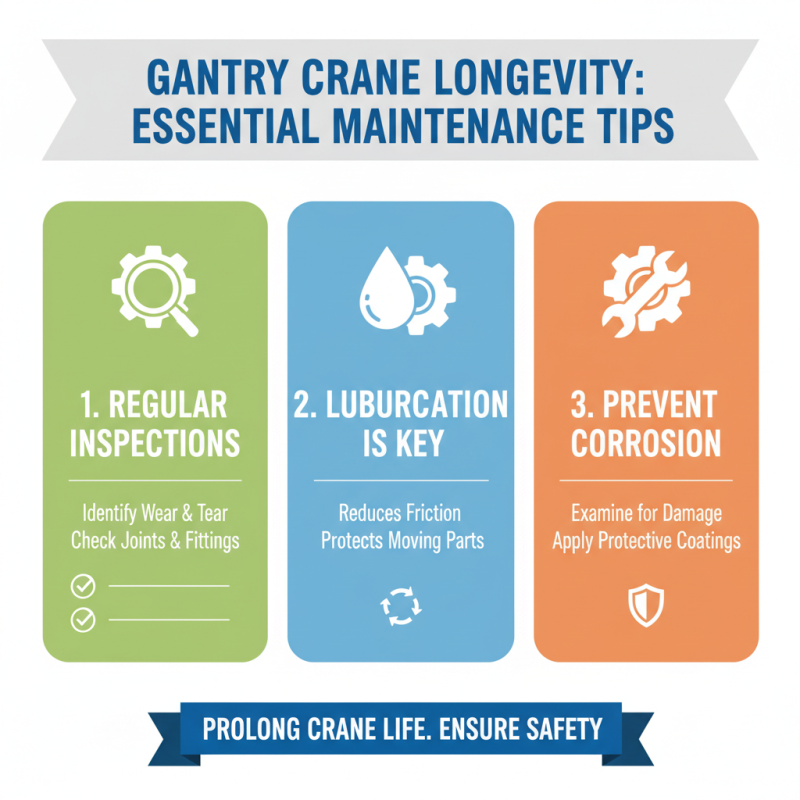
When considering gantry cranes, safety standards and regulations are paramount. These cranes are powerful tools that lift heavy loads, but improper use can lead to accidents. Compliance with established safety protocols is critical. Regular inspections are essential to ensure the cranes are functioning correctly. Operators must be trained to recognize potential hazards. This knowledge prevents injuries and protects workers.
Many industries overlook the importance of maintaining safety equipment. It’s easy to assume everything works smoothly until an incident occurs. Heavy machinery requires regular checks and maintenance. A daily checklist can help identify issues early. Each operator should be aware of load limits and stability requirements. Understanding the specific model's capabilities can prevent accidents.
Moreover, documenting training sessions and inspections builds a culture of safety. Employees feel safer when they know procedures are in place. Safety isn’t just about following rules; it’s about fostering responsibility. Encouraging open conversations about safety can lead to improvements. Each business should remain vigilant, always seeking to enhance safety measures.
Top 10 Gantry Crane Models by Load Capacity
Cost Analysis: Investing in Gantry Cranes for Business Efficiency
Investing in gantry cranes can significantly enhance business efficiency. These versatile machines are essential for heavy lifting and transporting materials. However, the cost analysis is crucial before making a purchase. One must evaluate the initial investment versus long-term gains. While the price tag may be high, the increased productivity can lead to quick returns.
Consider maintenance costs alongside the purchase price. Regular upkeep is necessary to ensure optimal performance. Neglecting this can lead to downtime, which is costly. Additionally, assess the workspace. Not all gantry cranes will fit in every environment. Knowing the dimensions and weight capacity is vital for selecting the right model.
It's also important to factor in training. Employees need to be skilled in operating these cranes safely. Investing in training can help prevent accidents and enhance efficiency. Balancing these elements can be challenging but is essential for success. Choosing the wrong crane can lead to unnecessary expenditures and complications. So, thorough research and planning are pivotal.
Top 10 Gantry Crane Models for Your Business Needs
| Model |
Load Capacity (Tons) |
Span (Feet) |
Power Source |
Price ($) |
| Model A |
5 |
20 |
Electric |
5,000 |
| Model B |
10 |
25 |
Diesel |
8,000 |
| Model C |
15 |
30 |
Electric |
12,000 |
| Model D |
20 |
40 |
Hybrid |
15,000 |
| Model E |
25 |
50 |
Electric |
18,000 |
| Model F |
30 |
60 |
Diesel |
22,000 |
| Model G |
35 |
70 |
Electric |
25,000 |
| Model H |
40 |
80 |
Hybrid |
30,000 |
| Model I |
45 |
90 |
Diesel |
35,000 |
| Model J |
50 |
100 |
Electric |
40,000 |