Top Bridge Crane Types You Should Know in 2026?
In 2026, understanding different types of bridge cranes is vital for various industries. A bridge crane, often seen in warehouses or manufacturing plants, is essential for lifting heavy loads. These machines enhance efficiency and safety in workplaces.
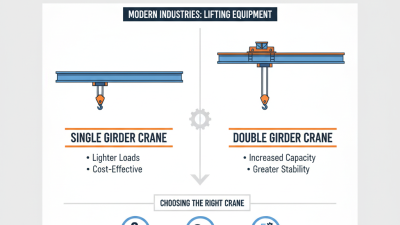
There are several types of bridge cranes worth exploring. Their designs vary from single girder to double girder configurations. Each type serves unique functions. Some models might struggle in tight spaces, while others excel in heavy-duty applications. Knowing these differences can impact operations significantly.
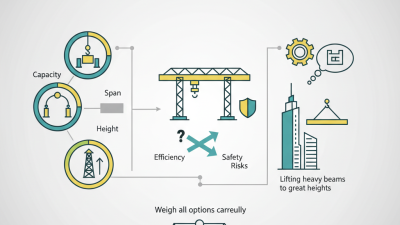
Choosing the right bridge crane requires careful consideration. Factors like load capacity, span, and usage frequency matter. Mistakes in selection could lead to inefficient workflows. Thus, making informed choices on crane types is crucial for success in any operation.
Top Bridge Crane Types Overview in the 2026 Industrial Landscape
The industrial landscape in 2026 is set to evolve dramatically, especially in the realm of bridge cranes. As manufacturing demands increase, understanding the key types of bridge cranes will be crucial. The global bridge crane market is projected to grow at a CAGR of 4.5% from 2024 to 2029. Such insights reflect the ongoing need for efficient lifting solutions.
Electric overhead traveling (EOT) cranes are gaining popularity. They provide energy efficiency and reduce operational costs. Many industries are transitioning to these cranes for their lower carbon footprint. Reportedly, EOT cranes can cut energy usage by up to 30%. This shift also underscores the need for companies to reassess their existing equipment and consider upgrades where necessary.
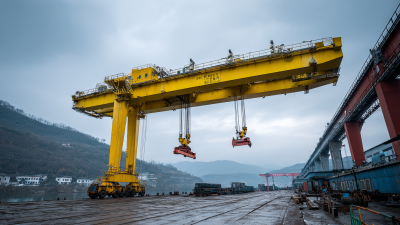
Another type that is gaining traction is the gantry crane. Their versatility in both indoor and outdoor settings makes them ideal for diverse applications. Industry reports suggest that demand for gantry cranes will rise significantly in construction sectors. However, organizations must evaluate the space required for these cranes, as they can occupy significant ground areas. Balancing efficiency with spatial constraints remains a challenge for many businesses.
Key Features and Advantages of Electric Bridge Cranes by 2026
Electric bridge cranes are gaining popularity in various industries by 2026. Their efficiency and eco-friendliness set them apart. Reports indicate a 30% increase in their adoption over the past five years. This trend reflects a growing commitment to sustainability. Electric cranes produce less emissions compared to traditional models. This is crucial as companies face stricter environmental regulations.
Key features include precise load control and reduced operational noise. According to industry data, electric cranes can improve productivity by up to 25%. This improvement is essential for fast-paced environments. Their compact design also allows for better space utilization in warehouses.
Tips: Invest in regular maintenance. It helps in extending the life of electric cranes. Monitor energy consumption to optimize performance. And train operators for better efficiency. Reflect on your crane's role in your operations. Are there areas to improve? Understanding these factors is essential for maximizing their potential.
Top Bridge Crane Types You Should Know in 2026
| Crane Type |
Key Features |
Advantages |
| Electric Bridge Crane |
Energy-efficient, low maintenance, precise control |
Reduced operational costs, minimal environmental impact, increased safety |
| Double Girder Crane |
Higher lifting capacity, more stability |
Suitable for heavy loads, wider span capable |
| Single Girder Crane |
Lightweight, compact design, cost-effective |
Ideal for small spaces, lower initial investment |
| Under Hung Crane |
Mounted below the runway beams |
Maximized lifting height, space-saving design |
| Articulating Crane |
Flexible arm, high maneuverability |
Access to difficult locations, versatile applications |
Market Trends: Demand for Automated Bridge Cranes in 2026
The demand for automated bridge cranes is set to rise significantly in 2026.
Automation offers efficiency and precision.
Many industries are now looking for faster and safer solutions.
These cranes reduce human labor and risk. However, not all operations are ready for automation.
Some facilities lack the infrastructure needed for these systems. This creates a gap.
Furthermore, integrating automated bridge cranes requires a learning curve. Workers may need training to adapt.
Resistance to change can also pose challenges. Companies must weigh the benefits
against the transitional difficulties. While the potential for reduced operational costs is appealing,
the initial investment can be daunting. It's essential to assess the long-term return on investment carefully.
In addition to infrastructure and training, maintenance must be considered. Automated systems are complex
and require regular checks. Companies may face unexpected maintenance costs. Despite these issues,
the trend towards automation is growing. More firms recognize the potential of these cranes to transform their operations.
Safety Standards and Innovations in Bridge Crane Design for 2026
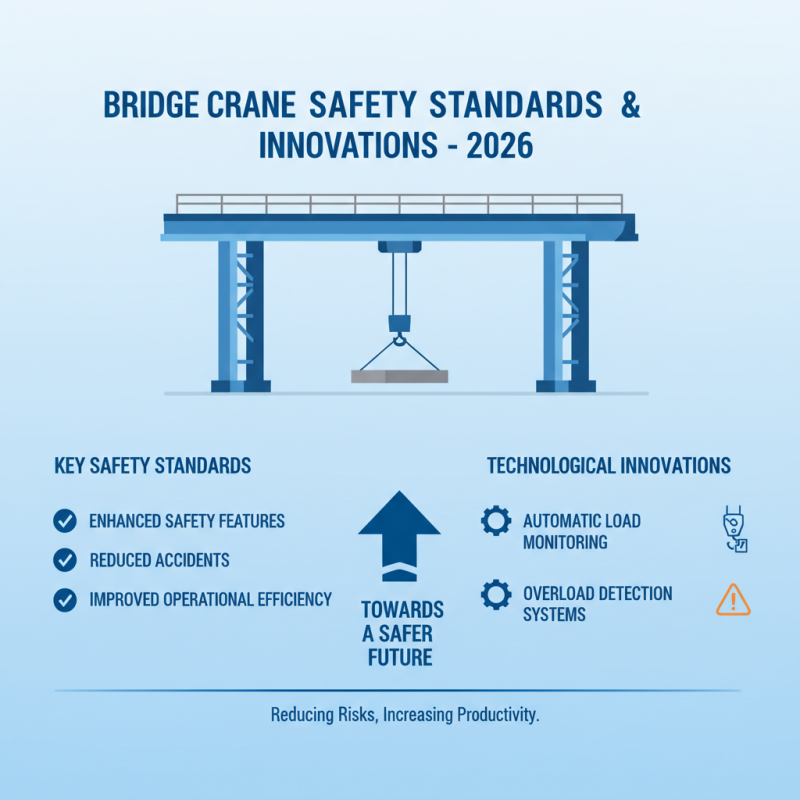
Bridge cranes play a vital role in various industries. As we move towards 2026, the importance of safety standards in bridge crane design cannot be overstated. Innovations focus on enhanced safety features. New technologies aim to reduce accidents and improve operational efficiency. For instance, automatic load monitoring systems make operations safer. These systems can detect overloads before they cause incidents.
Moreover, user-friendly controls are becoming a focus. Intuitive interfaces help operators work more efficiently. Advanced sensors can also detect anomalies in real-time. This feature allows for timely interventions, preventing potential injuries. Despite these advancements, some areas still lack attention. Training programs often do not keep pace with technological changes. Operators must adapt to new features, or safety risks may increase.
Regular maintenance is crucial, yet not always prioritized. Equipment must be checked to ensure safety compliance. As standards evolve, companies must remain vigilant. Awareness of new regulations is necessary for overall safety. Bridging the gap between innovation and safety practices is essential. In 2026, a commitment to these principles will define the future of bridge cranes.
Maintenance Best Practices for Extended Lifespan of Bridge Cranes in 2026
Maintaining bridge cranes is essential for their longevity and efficiency.
Regular inspections should occur monthly. This will help identify wear and tear before issues arise.
Checking cables, hooks, and motors must be routine. Small abnormalities can lead to larger problems later.
Operators should be trained to notice unusual sounds or movements. These signals often indicate potential failures.
It's not enough to solely rely on scheduled maintenance. Daily checks may also prevent significant breakdowns.
Keeping a detailed log of maintenance activities is beneficial. It helps track issues and patterns over time.
Lubrication needs attention too. Over time, components may dry out and lead to friction.
However, excess grease can attract dust. This can worsen the situation. Operators should find a balance.
Implementing a systematic maintenance schedule may improve performance. This requires commitment but pays off in the long run.