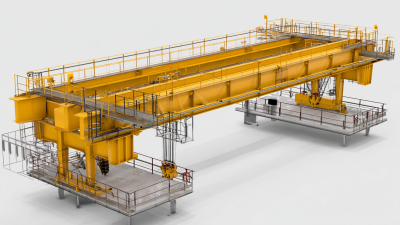
2026 Top Bridge Crane Buying Guide for Global Suppliers
When navigating the world of industrial machinery, the Bridge Crane stands out for its pivotal role in material handling. Understanding its specifications and capabilities is crucial for suppliers and users alike. As we approach 2026, several factors will influence the purchasing landscape. Suppliers must consider the distinct needs of diverse industries, from construction to manufacturing.
Choosing the right Bridge Crane isn’t as straightforward as it seems. Factors like load capacity, span length, and control systems significantly affect efficiency. Furthermore, the availability of parts and service support enhances reliability. However, many suppliers overlook the importance of proper maintenance and training. This oversight can lead to increased downtime and operational costs.
In this guide, we delve into key considerations for selecting a Bridge Crane. Whether you're a seasoned supplier or new to the market, recognizing these elements can strengthen your sourcing strategy. By aligning your choices with industry best practices, you'll ensure a higher return on investment and operational success.
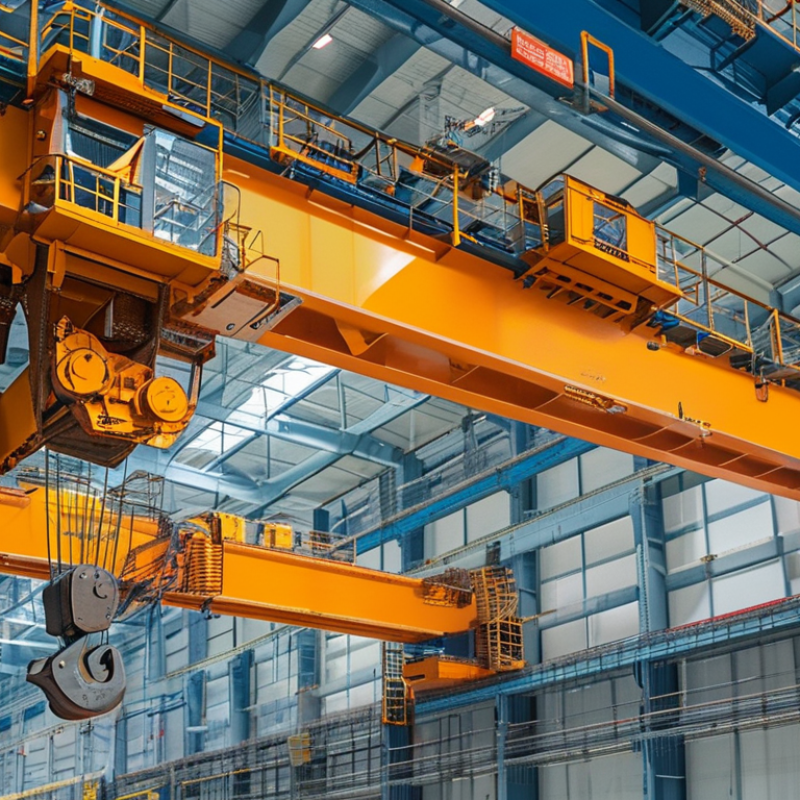
Understanding the Different Types of Bridge Cranes Available Globally
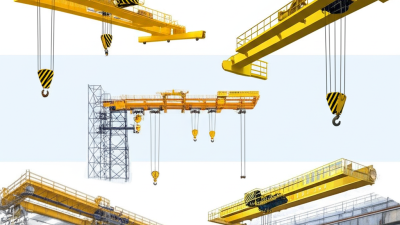
Bridge cranes are essential for various industries, providing robust solutions for material handling. Understanding the types available globally is crucial for making informed purchasing decisions. The main types include single girder, double girder, and gantry cranes, each designed for specific needs. According to a recent market report, the global overhead crane market is projected to reach $4 billion by 2026, reflecting the demand for these versatile tools.
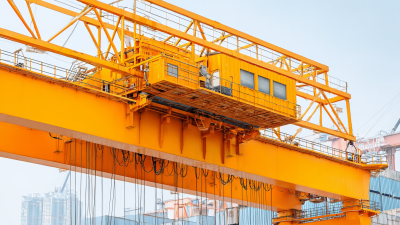
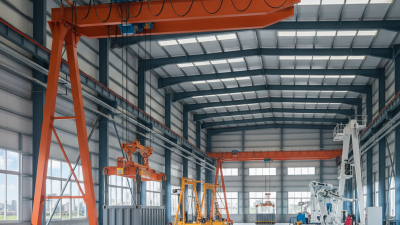
Different environments require different cranes. A single girder crane is often used in smaller spaces, while a double girder crane supports heavier loads. Gantry cranes can operate outdoors, making them ideal for construction sites. Industry experts suggest assessing the operational requirements before choosing a crane type. Your decision should reflect load capacity, span, and working height necessary for your operations.
Tip: Always review load specifications. Selecting a crane based solely on price can lead to safety risks or operational inefficiencies. Another tip is to consider future growth. A crane that meets today's needs might not suffice tomorrow. It's wise to invest in adaptable solutions.
Key Factors to Consider When Buying Bridge Cranes
When purchasing a bridge crane, several key factors play a crucial role. An essential aspect is the crane's capacity. Determine the maximum load it will carry. This ensures safety and efficiency in operations. Miscalculating capacity can lead to severe accidents or equipment damage, which is a costly oversight.
Another critical factor is the crane's span. Understanding the distance between the supports impacts the design and performance. A wider span allows for more clearance but may require more robust engineering. Proper planning can mitigate challenges. Consider also the operating environment. Indoor and outdoor settings impose different structural requirements. Weather factors should not be overlooked to optimize durability.
Tips: Always consult with professionals during the selection process. They can provide insights tailored to your needs. Regular maintenance and inspections are imperative. They help identify potential issues before they escalate. Additionally, evaluate the supplier's reputation. A reliable partner can greatly influence your operational success.
Evaluating Bridge Crane Suppliers: Criteria for Selection
When evaluating bridge crane suppliers, several criteria are essential for making an informed decision. Reliability is paramount. A trustworthy supplier should demonstrate a strong track record in delivering quality equipment. This includes checking on their history of successful installations and customer satisfaction. A supplier’s reputation can often be gauged through reviews and consistent performance metrics.
Another key factor is the expertise of the supplier. Assess their knowledge in crane technology and industry standards. A knowledgeable supplier can provide valuable insights into the best options for your specific needs. They should be able to address technical questions and offer solutions tailored to your operational requirements.
Tips: Always ask for references. Personal experiences from businesses that have worked with the supplier can reveal strengths and weaknesses. Also, consider a supplier's after-sales support. Timely assistance can significantly impact your operations, especially during emergencies.
Be cautious of overly optimistic promises. A supplier may claim high performance, but their past customer feedback will tell a different story. Take the time to conduct thorough research, so you can be confident in your choice. Understanding and reflecting on these nuances will lead to a more suitable selection of bridge crane suppliers.
2026 Bridge Crane Supplier Evaluation Criteria
Analyzing the Cost of Bridge Cranes: Budgeting and Financing Options
When considering bridge cranes, budgeting is crucial. These machines vary significantly in price, depending on the specifications and capabilities. Basic models may cost less, while advanced systems could require larger investments. Understanding your operational needs helps in initial cost estimation. This way, you can avoid overspending on unnecessary features.
Financing options play an essential role in acquiring bridge cranes. Many suppliers offer flexible payment plans. A thorough search can reveal leasing options that allow you to use equipment without significant upfront costs. It's vital, however, to scrutinize interest rates and terms. Shorter payment plans often lead to higher monthly payments. Balancing your budget with these financing methods is not always easy.
Furthermore, it’s crucial to factor in maintenance costs. Regular inspections and repairs can add up quickly. Sometimes, buyers overlook these expenses during budgeting. It helps to consult with experienced professionals to get realistic estimates on ongoing costs. Relying solely on initial purchasing price may lead to unanticipated financial strain. A comprehensive approach ensures better financial planning for your bridge crane investment.
2026 Top Bridge Crane Buying Guide for Global Suppliers
| Feature/Dimension |
Cost Range ($) |
Financing Options |
Installation Costs ($) |
| Single Girder Bridge Crane |
$10,000 - $25,000 |
Leasing, Bank Loans |
$1,000 - $2,500 |
| Double Girder Bridge Crane |
$20,000 - $50,000 |
Leasing, Bank Loans, Installment Plans |
$2,500 - $5,000 |
| Suspension Crane |
$15,000 - $35,000 |
Leasing, Manufacturer Financing |
$800 - $1,800 |
| Overhead Crane |
$25,000 - $60,000 |
Bank Loans, Manufacturer Financing |
$3,000 - $6,000 |
| Jib Crane |
$5,000 - $15,000 |
Leasing, Immediate Purchase Discounts |
$500 - $1,200 |
Safety Standards and Regulations for Bridge Crane Operations
When it comes to bridge cranes, safety standards are paramount. According to the Occupational Safety and Health Administration (OSHA), nearly 80% of crane accidents are preventable. Regular inspections and adherence to guidelines can significantly lower risks in operations. Many companies fail to fully implement these safety measures, highlighting a gap in industry practices.
The American National Standards Institute (ANSI) outlines crucial regulations for bridge crane operations. Compliance is not just a legal requirement but a best practice for safety. For instance, operators must understand load limits and equipment specifications. Yet, a report from the National Safety Council indicates that improper use accounts for 20% of crane-related injuries. Training sessions should be more frequent, as human error remains a critical factor.
Recent studies show that investing in safety protocols can enhance overall operational efficiency. When workers feel safe, productivity improves. However, many suppliers still overlook this connection. Training programs often lack depth and rigor. Industry leaders must address these deficiencies to safeguard their workforce and their investment in crane technology.