Top 5 Overhead Bridge Crane Benefits for Efficient Material Handling
In the fast-evolving landscape of material handling, Overhead Bridge Cranes have emerged as pivotal tools that enhance operational efficiency and safety across various industries. According to a report published by Grand View Research, the global overhead crane market is projected to reach $8.4 billion by 2025, reflecting a compound annual growth rate (CAGR) of 4.3%. This growth is driven by the increasing need for automation and efficiency in warehouses, manufacturing plants, and construction sites where heavy materials must be transported swiftly and safely.
Overhead Bridge Cranes offer substantial advantages, such as improved space utilization and reduced manual labor, thus decreasing the risk of workplace injuries. The Occupational Safety and Health Administration (OSHA) data suggests that the use of mechanized systems like cranes can significantly lower accident rates by up to 50%. As operators can lift and move heavy loads with precision, companies witness not only a boost in productivity but also a notable reduction in labor costs. In this context, understanding the top five benefits of Overhead Bridge Cranes is crucial for businesses seeking to optimize their material handling processes and stay competitive in 2025 and beyond.
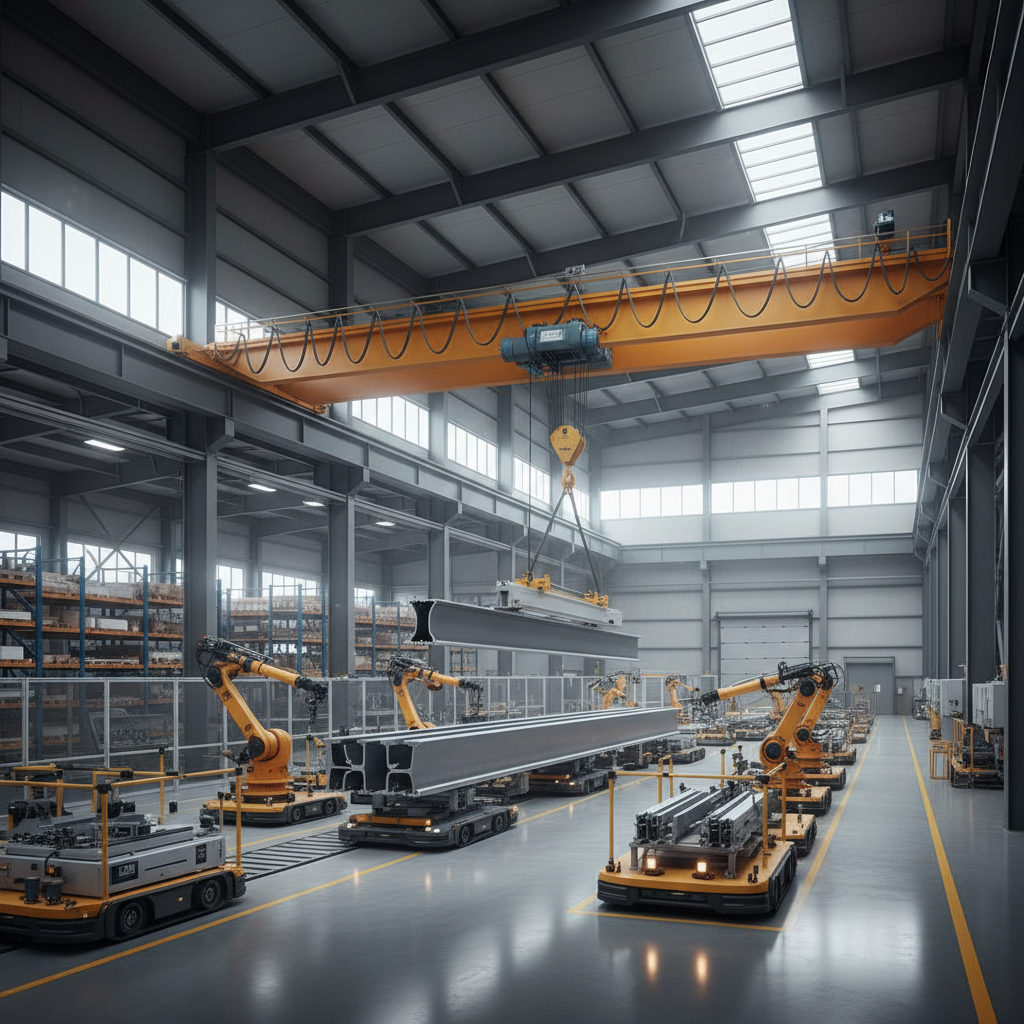
Benefits of Overhead Bridge Cranes in Modern Warehousing Techniques
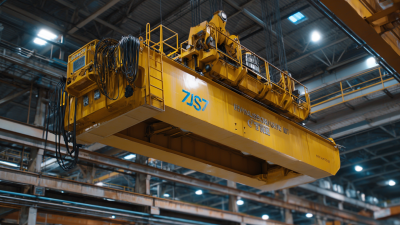
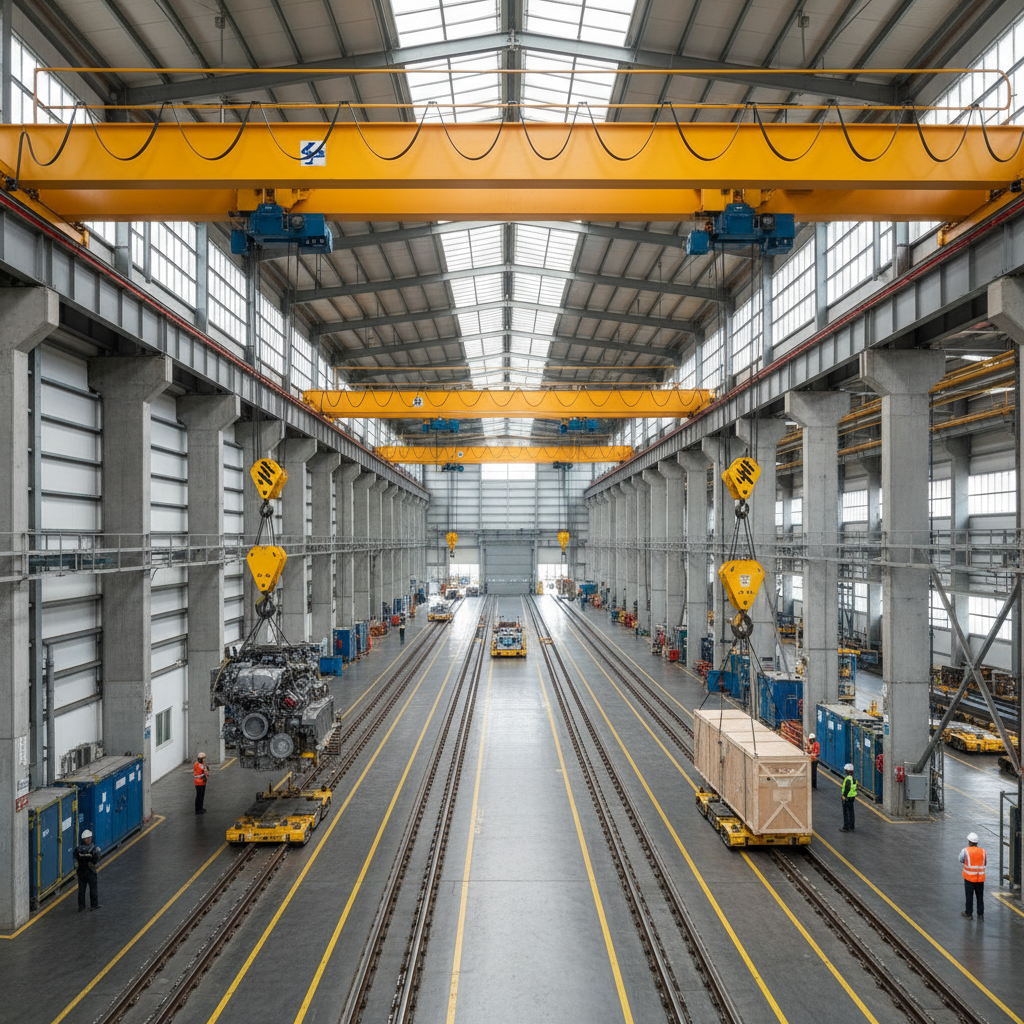
Overhead bridge cranes have become essential tools in modern warehousing techniques, revolutionizing how materials are handled and stored. These cranes, mounted on elevated tracks, allow for the efficient movement of heavy loads across a facility, minimizing the need for manual labor and reducing the risk of accidents. By automating the lifting and transporting process, businesses can expedite their operations, ensuring that materials are quickly delivered to the right locations. This not only enhances productivity but also optimizes space utilization within warehouses.
When integrating overhead bridge cranes into your operations, consider implementing a regular maintenance schedule. This ensures the longevity and reliability of the equipment, reducing unexpected downtimes. Additionally, training your staff on the proper use of these cranes can significantly enhance safety and efficiency.
Another tip for maximizing benefits is to analyze the workflow in your warehouse. Customizing the design of the crane system to fit your specific operational needs can lead to more effective material handling. By strategically placing cranes where they are most needed, you can streamline processes and improve overall efficiency.
Streamlining Material Flow with Overhead Bridge Cranes
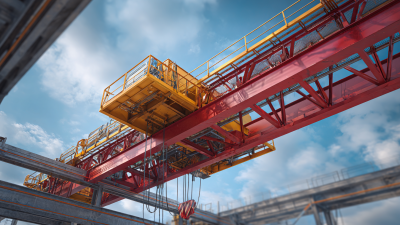
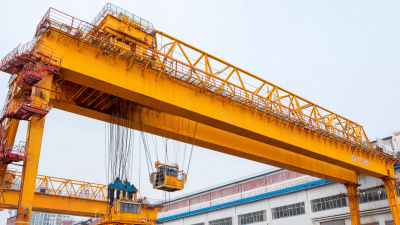
Overhead bridge cranes are pivotal in enhancing the efficiency of material handling processes within various industrial settings. By utilizing a horizontal beam that moves along fixed tracks, these cranes create an unobstructed path for transporting materials from one point to another. This streamlined approach minimizes the need for manual lifting and reduces the risk of workplace injuries, allowing for a safer and more productive environment.
Moreover, the design of overhead bridge cranes aids in maximizing workspace utilization. By freeing up floor space that would typically be occupied by traditional lifting equipment, businesses can reorganize their layouts for optimal workflow. This increased flexibility not only boosts productivity but also enhances the overall effectiveness of material flow, enabling quicker responses to production demands.
As a result, organizations can respond promptly to changes in inventory and meet client needs more efficiently, solidifying their competitive edge in the market.
Enhancing Safety Protocols through Bridge Crane Implementation
The implementation of overhead bridge cranes can significantly enhance safety protocols in material handling operations. According to the Occupational Safety and Health Administration (OSHA), workplace injuries related to manual handling can lead to substantial operational downtime and healthcare costs. In fact, statistics show that proper material handling techniques could reduce workplace injuries by up to 25%. By utilizing overhead bridge cranes, companies can minimize the need for manual lifting and reduce the risk of musculoskeletal disorders among workers.
Furthermore, advanced bridge crane designs incorporate safety features such as overload protection and automatic shutoffs, which further bolster workplace safety. A report by the American Society of Safety Professionals indicates that having more mechanized solutions can lead to a 30% decrease in accidents related to material handling. This transformation not only protects employees but also contributes to a culture of safety that is crucial for improving overall operational efficiency. With the integration of bridge cranes, organizations can ensure a safer workplace environment while streamlining their material handling processes.
Cost-Effectiveness: Saving Time and Labor with Overhead Cranes
Overhead bridge cranes are a game-changer in material handling, particularly when it comes to cost-effectiveness. By automating the lifting and moving of heavy materials, these cranes significantly reduce the time spent on manual labor. This efficiency leads to faster completion of tasks, which in turn decreases operational hours and the associated labor costs. Companies can allocate human resources to more strategic tasks rather than cumbersome lifting, thus optimizing the workforce and enhancing productivity.
Moreover, the durability and reliability of overhead bridge cranes contribute to long-term savings. While the initial investment may be substantial, the reduction in workplace injuries and damage to materials translates into fewer expenses over time. With a lower likelihood of accidents, companies experience fewer disruptions and maintain a smooth workflow. Additionally, these cranes require less maintenance compared to other lifting solutions, further reducing operational costs. Ultimately, overhead bridge cranes not only enhance efficiency but also provide a substantial return on investment.
Improving Workplace Efficiency with Integrated Overhead Handling Systems
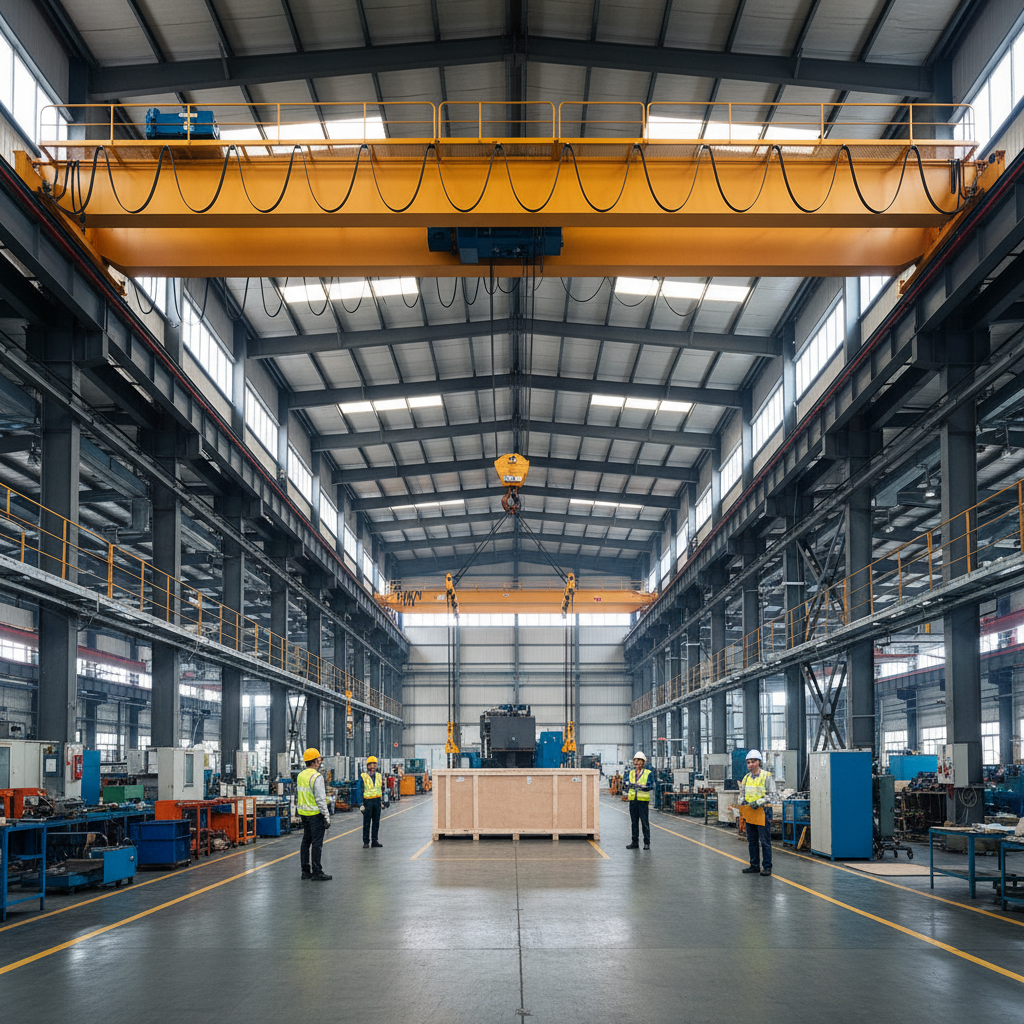
Integrated overhead handling systems significantly enhance workplace efficiency by streamlining material movement and reducing manual handling. These systems facilitate the rapid transport of heavy loads across various distances, minimizing the time required to transfer materials. By eliminating obstructions and maximizing vertical space, overhead cranes can operate in tight spaces, enabling quick access to stored items without interrupting other work processes. This not only accelerates operations but also enhances productivity, allowing workers to focus on more critical tasks rather than labor-intensive material handling.
Moreover, the use of integrated overhead systems contributes to a safer work environment. With automated controls and advanced safety features, these cranes reduce the risk of workplace accidents associated with manual lifting and carrying. They provide precise load handling, greatly diminishing potential for mishaps that could arise from human error.
As a result, employees can operate with peace of mind, knowing that they are using equipment designed to prioritize safety while improving overall operational workflow. Thus, the combination of efficiency and safety offered by overhead handling systems plays a crucial role in optimizing workplace performance.