Top Over Head Bridge Crane Trends at 2026 Canton Fair?
As the global demand for efficient lifting solutions continues to rise, the Over Head Bridge Crane market is evolving rapidly. Industry reports indicate a projected growth rate of 4.2% annually, driven by advancements in automation and safety standards. At the 2026 Canton Fair, innovations in Over Head Bridge Crane technology are expected to take center stage, showcasing enhancements designed to improve operational efficiency and safety.
The introduction of smart features, such as AI-driven analytics and real-time monitoring, represents a significant shift. These developments promise to streamline materials handling processes. However, the reliance on technology raises concerns about training and adaptability among the workforce. Understanding how to balance automation with human expertise will be crucial.
Furthermore, the use of sustainable materials and energy-efficient designs is gaining traction. This trend reflects a growing awareness of environmental impacts. Yet, the challenge remains in ensuring cost-effectiveness while implementing these greener options. The convergence of these factors will shape the future landscape for Over Head Bridge Cranes, making the 2026 Canton Fair a key event for industry stakeholders.
Top Technological Innovations in Over Head Bridge Cranes by 2026
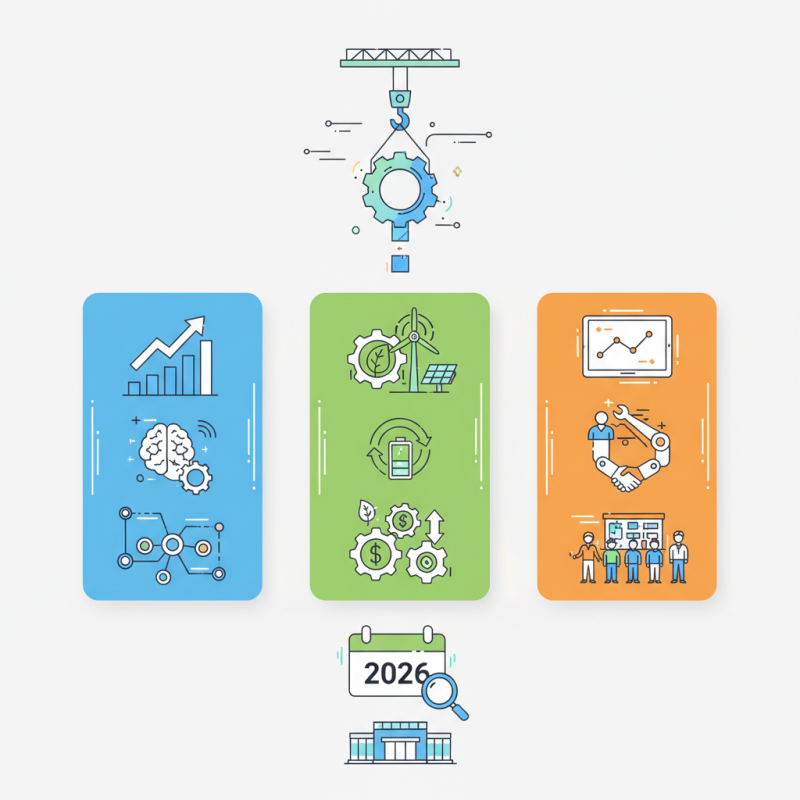
Overhead bridge cranes are evolving quickly. By 2026, technological innovations will reshape the industry. Smart features and automation are leading the way. These cranes will incorporate advanced sensors for better load monitoring. Real-time data analytics will enhance safety and efficiency.
One significant trend is the integration of artificial intelligence. AI can optimize crane operations, reducing human error. This might seem straightforward, but it requires careful implementation. Ensuring reliable AI systems can be tricky. Not all facilities will adapt to these changes smoothly.
Tips: When considering overhead cranes, prioritize training for your operators. They must understand new technologies. Regular maintenance will also be essential. Upgrading your equipment without proper care could lead to unexpected breakdowns. Investing in training will pay off in the long run.
Top Over Head Bridge Crane Trends at 2026 Canton Fair
| Trend |
Description |
Impact |
Expected Adoption Rate |
| Automation and AI Integration |
Increased use of AI for predictive maintenance and operation efficiency. |
Improved uptime and reduced operational costs. |
75% |
| Energy Efficiency |
Development of cranes with lower energy consumption technologies. |
Significant reductions in energy costs and environmental impact. |
80% |
| Remote Monitoring and Control |
Implementation of IoT for real-time data access and control. |
Enhanced safety and productivity through remote operations. |
70% |
| Modular Design |
Cranes designed for easy upgrades and enhancements. |
Greater flexibility and reduced long-term costs. |
65% |
| Enhanced Safety Features |
Advanced safety systems including collision avoidance and load monitoring. |
Decreased accident rates and improved worker safety. |
85% |
Market Growth and Demand Projections for Over Head Bridge Cranes
The market for overhead bridge cranes is on a steady rise. According to recent industry reports, the global market is expected to reach approximately $5.2 billion by 2026. This growth is driven by the increasing demand in manufacturing and construction sectors. The demand for automated and high-capacity cranes is notable, as companies seek efficiency and productivity.
In recent years, several trends have emerged. Manufacturers are focusing on innovative designs that enhance safety features. This aligns with the growing emphasis on workplace safety regulations. However, not all companies are upgrading their systems, leading to significant disparities in operational efficiency.
Sustainability is gaining traction in the industry. Eco-friendly materials and energy-efficient motors are becoming common. Yet, the high initial costs often deter smaller businesses from making these investments. The challenge remains in balancing cost with advanced technology and sustainability. The evolution of the market offers both opportunities and hurdles for stakeholders as they navigate these trends.
Sustainability Trends Impacting Over Head Bridge Crane Designs
Sustainability is reshaping designs for overhead bridge cranes. With the increasing focus on reduced environmental impact, manufacturers are leaning towards eco-friendly materials. This transition enhances the lifespan of cranes while minimizing their carbon footprint.
Solar-powered systems are becoming a vital part of crane design. These innovations allow for energy-efficient operation, reducing reliance on conventional power sources. Not only do they lower operational costs, but they also promote clean energy usage in industrial applications.
However, integrating sustainable practices is not without challenges. Industries often face budget constraints. There is a need for a balance between sustainability and cost-effectiveness. As the trend evolves, ongoing reflection on design choices will be essential to meet both environmental and operational goals.
Safety Regulations Shaping the Future of Over Head Bridge Cranes
The future of overhead bridge cranes is being shaped by stringent safety regulations. As industries continue to evolve, safety standards are tightening. According to a recent report by the International Institute of Crane Experts, compliance with safety regulations can reduce workplace accidents by up to 30%. This number highlights the importance of integrating safety features into crane design and operation.
Developers are now prioritizing user-friendly controls and advanced safety systems. Innovations like overload detection and emergency stop mechanisms are becoming standard. However, some companies still lag in adopting these technologies, putting workers at risk. A survey revealed that 52% of crane operators reported inadequate training on new safety features. This gap in knowledge needs addressing.
Moreover, the need for regular safety audits is becoming critical. The Occupational Safety and Health Administration (OSHA) has emphasized routine inspections. Yet, many companies struggle to implement these audits properly. Industry experts suggest that a lack of resources is a common excuse. As concerns over workplace safety grow, organizations will need to adapt or face potential penalties.
Top Over Head Bridge Crane Trends at 2026 Canton Fair
This chart illustrates the projected adoption rates of various overhead bridge crane trends as highlighted at the 2026 Canton Fair. The growing emphasis on safety regulations and advancing technology are shaping the future landscape of this industry.
Integrating IoT and Automation in Over Head Bridge Crane Operations
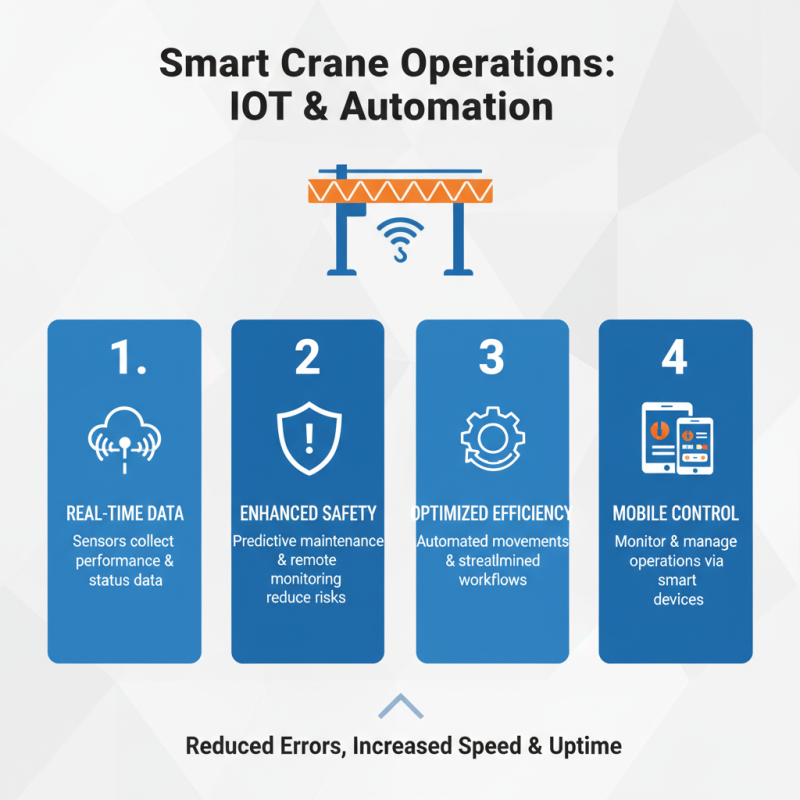
The integration of IoT and automation in overhead bridge crane operations marks a significant shift in the industry. By connecting cranes to the Internet of Things, companies streamline their processes. Sensors collect real-time data, enhancing efficiency and safety. Workers can monitor operations via smartphones or tablets. This technology reduces human error and speeds up operations.
Tips: Regularly update your software. Outdated systems can cause security vulnerabilities. Also, train staff on new technologies. They must understand how to operate features effectively.
Automation provides consistent performance. However, not all tasks are suitable for automation. Some complex maneuvers require human judgement. A balance between technology and human oversight is crucial. Monitor performance metrics closely and adjust your strategies accordingly. Embrace the tech, but stay grounded in reality.