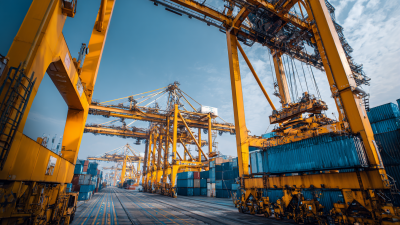
What is Over Head Bridge Crane and Its Impact on Industrial Efficiency and Safety
The Over Head Bridge Crane is a critical component in the modern industrial landscape, playing a vital role in enhancing efficiency and safety within various sectors. As industries continue to evolve and demand greater productivity, the significance of these cranes cannot be overstated. Renowned expert in material handling, Dr. John H. Harper, emphasizes this point by stating, “An Over Head Bridge Crane can significantly reduce operational downtime, transforming the way materials are moved and managed in industrial settings.”
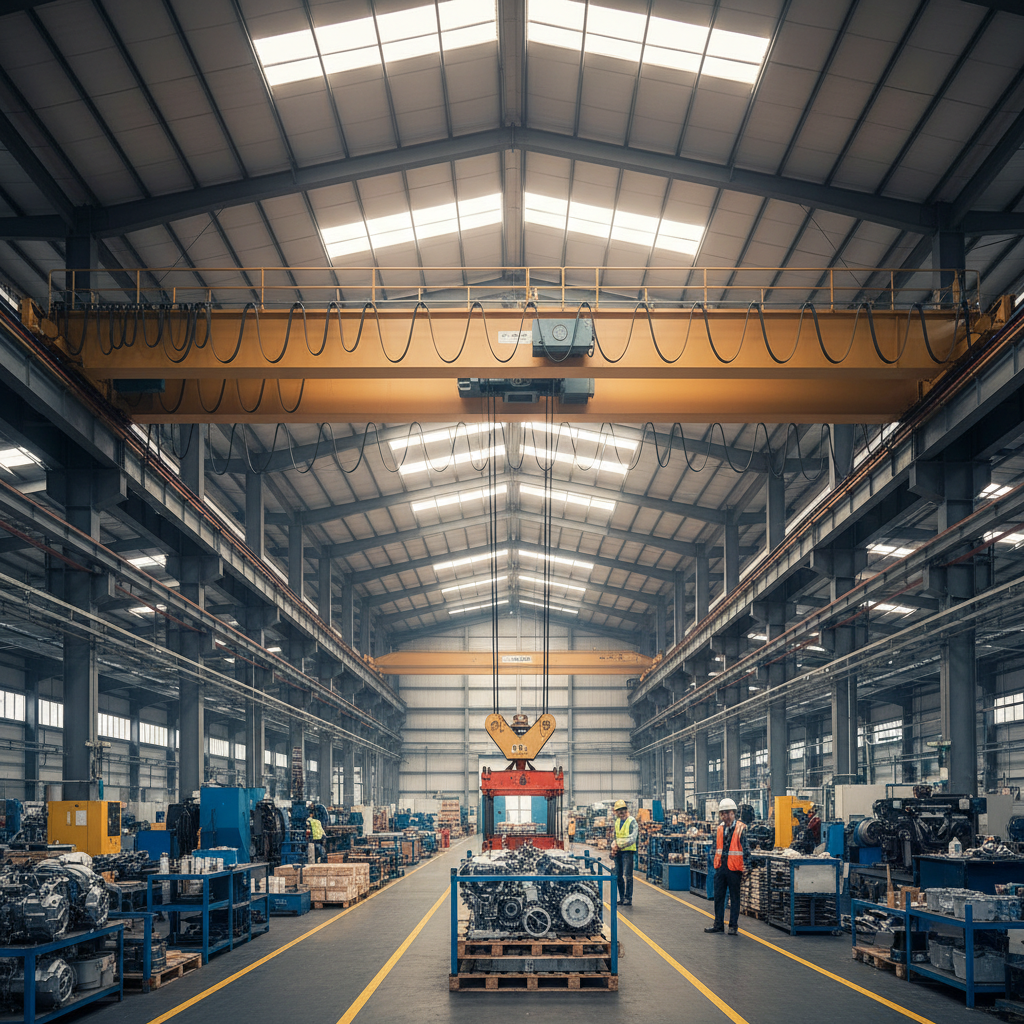
These cranes not only streamline workflow but also minimize the risks associated with heavy lifting and material handling. With an ability to lift and transport loads with precision, the Over Head Bridge Crane stands out as a pivotal asset that supports increased output while safeguarding worker safety. By integrating advanced technology and ergonomic design, these cranes enhance operational performance, allowing industries to meet growing demands without compromising safety standards.
As we explore the top ten benefits of Over Head Bridge Cranes, it becomes clear that their impact on industrial efficiency and worker safety is profound, setting the stage for a smarter and more secure work environment. Understanding these advantages will enable industries to leverage this essential equipment to its fullest potential.
Overview of Overhead Bridge Cranes and Their Components
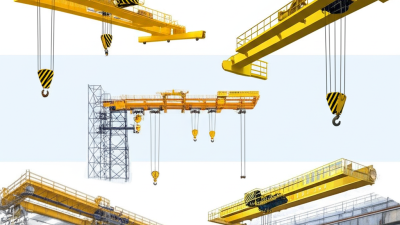
Overhead bridge cranes are essential pieces of equipment in various industrial settings, designed to lift and transport heavy loads across a designated area. These cranes consist of several key components, including the bridge, hoist, trolley, and runway structure. The bridge spans the width of the work area, supporting the hoist that vertically lifts and lowers the load. The trolley travels along the length of the bridge, allowing for precise horizontal movement of materials.
Additionally, the control system is a vital component, enabling operators to manage the crane's functions safely and efficiently. Overhead bridge cranes can be operated manually or through automated systems, which enhances precision and reduces the risk of operator error. The robust design of these cranes not only increases lifting capability but also contributes to improved safety measures in the workplace, minimizing accidents and injuries associated with material handling. By streamlining workflows and enhancing the movement of goods, overhead bridge cranes significantly boost industrial efficiency, making them indispensable in manufacturing, warehousing, and construction sectors.
Key Benefits of Using Overhead Bridge Cranes in Industrial Settings
Overhead bridge cranes are crucial tools in industrial settings, significantly enhancing efficiency and safety.
One primary benefit is their ability to move heavy loads across large spaces without the need for manual handling.
This mechanization reduces the physical strain on workers and minimizes the risk of injuries associated with lifting and transporting materials.
Moreover, the precision of overhead cranes allows for smoother operations, which leads to increased productivity as tasks can be completed more swiftly and effectively.
Another key advantage of overhead bridge cranes is their space-saving design.
Unlike traditional lifting equipment, these cranes operate above the ground, freeing up valuable floor space for other operations.
This is particularly beneficial in warehouses and manufacturing facilities where space is often at a premium.
Additionally, many modern overhead cranes come equipped with advanced technologies such as remote controls and automated features,
further enhancing both operational safety and efficiency.
By integrating these cranes into industrial workflows, companies can streamline their processes, leading to improved overall performance and reduced downtime.
Enhancing Safety Measures with Modern Overhead Bridge Crane Technology
The modern overhead bridge crane has revolutionized industrial settings by not only enhancing operational efficiency but also significantly improving safety measures. The integration of advanced technologies such as automated controls, real-time monitoring systems, and load sensors has transformed traditional cranes into sophisticated lifting solutions. These innovations allow for precise load handling and reduce the risk of accidents caused by human error. With features like overload protection and emergency stop mechanisms, modern cranes ensure safer working environments for operators and nearby personnel.
Furthermore, the implementation of smart technology in overhead bridge cranes facilitates better maintenance routines. Predictive maintenance systems analyze performance data to forecast potential failures, allowing for timely interventions before issues escalate into hazards. This proactive approach not only enhances the lifespan of the equipment but also minimizes downtime, ensuring that industrial operations remain smooth and efficient. By prioritizing safety through technological advancements, industries can achieve higher productivity levels while safeguarding their workforce, demonstrating that modern cranes play a pivotal role in reshaping industrial safety standards.
Impact of Overhead Bridge Cranes on Operational Efficiency Metrics
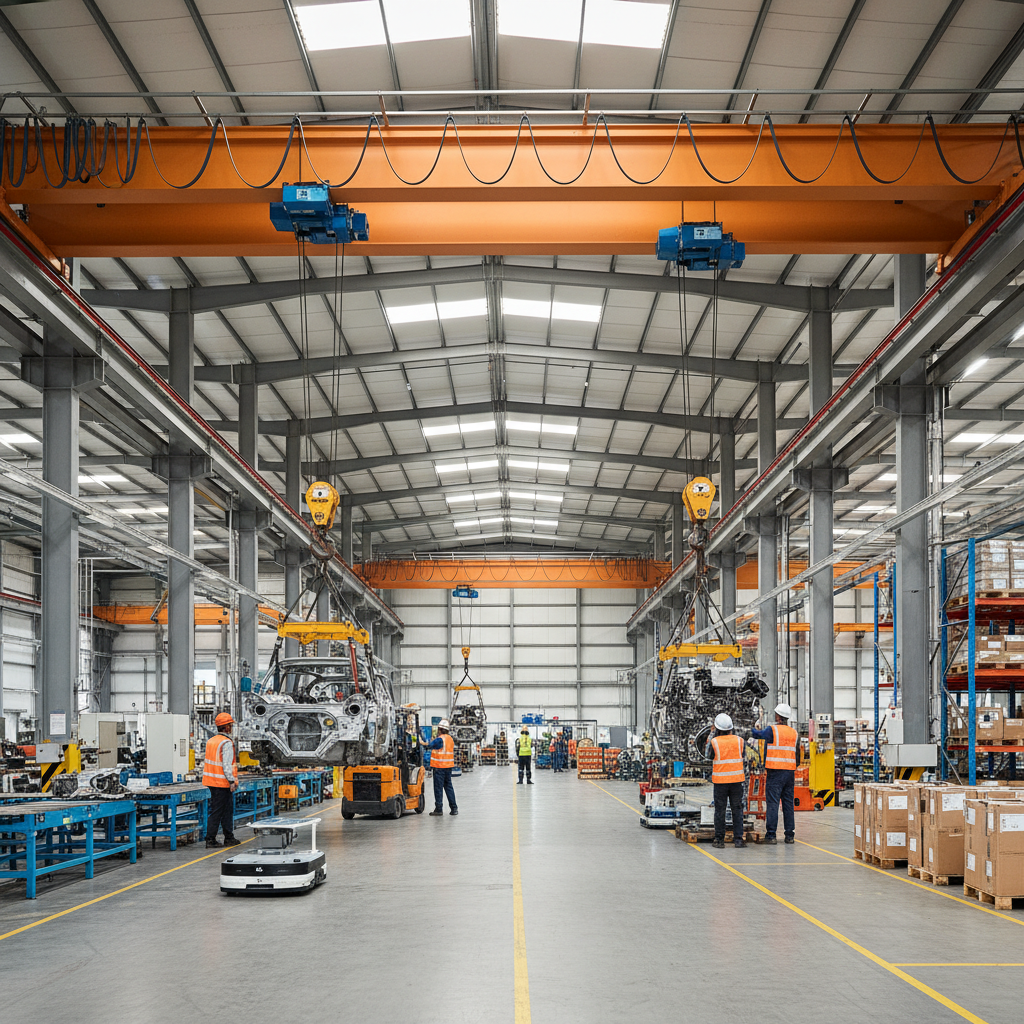
Overhead bridge cranes play a pivotal role in enhancing operational efficiency across various industries. According to a report by the Crane Manufacturers Association of America (CMAA), the implementation of overhead cranes can increase operational efficiency by 25-50%. These cranes facilitate the seamless movement of heavy materials, significantly reducing the time and labor costs associated with manual handling. In environments such as manufacturing and warehousing, where the swift transfer of materials is crucial, the integration of overhead bridge cranes can streamline processes and optimize workflow.
Additionally, a study conducted by the Occupational Safety and Health Administration (OSHA) highlights that workplaces with overhead cranes see a 30% reduction in workplace accidents related to material handling. By minimizing the need for manual lifting and positioning of heavy loads, these cranes not only enhance productivity but also prioritize safety for workers. With fewer physical strain injuries and a lowered risk of accidents, companies can maintain a healthier workforce, which further contributes to overall operational efficiency. The strategic use of overhead cranes is undeniably essential in maximizing both productivity and safety in industrial settings.
Future Trends in Overhead Bridge Crane Design and Implementation for 2025
As we approach 2025, the design and implementation of overhead bridge cranes are evolving to meet the demands of modern industries. New advancements in automation and smart technology are set to enhance operational efficiency significantly. According to a report by Research and Markets, the global overhead crane market is projected to grow by 6.6% annually, driven by increased automation across manufacturing sectors. Innovations such as IoT integration allow for real-time monitoring and predictive maintenance, which not only optimize productivity but also reduce downtime.
Additionally, sustainability is becoming a key focus in crane design. Manufacturers are increasingly prioritizing the utilization of energy-efficient materials and components. A study by Grand View Research highlights that electric hoists, which are less environmentally impactful than their pneumatic counterparts, are expected to dominate the market in the coming years. By 2025, we anticipate a surge in hybrid designs that blend traditional mechanisms with advanced energy-saving technologies, ensuring that overhead bridge cranes are not only efficient but also align with global sustainability goals. These developments underline a future where safety and efficiency go hand in hand, reinforcing the role of overhead bridge cranes in advancing industrial operations.