The Over Head Bridge Crane is an essential tool in modern industrial environments. It provides a reliable solution for moving heavy loads efficiently. These cranes enhance productivity and safety in warehouses and factories. Their unique design allows for optimal vertical lift and lateral movement, making them versatile machinery.
Choosing the right Over Head Bridge Crane can be challenging. Buyers must consider various factors, such as weight capacity, span length, and operational environment. Different models cater to specific needs, which adds to the complexity of the purchasing decision. It's crucial to also assess the manufacturer's reputation and support services.
In addition, while Over Head Bridge Cranes offer many benefits, they can come with drawbacks. Some users report maintenance challenges or space limitations. Understanding both the advantages and potential issues aids informed choices. Investing in the right crane can lead to long-term efficiency and safety improvements.
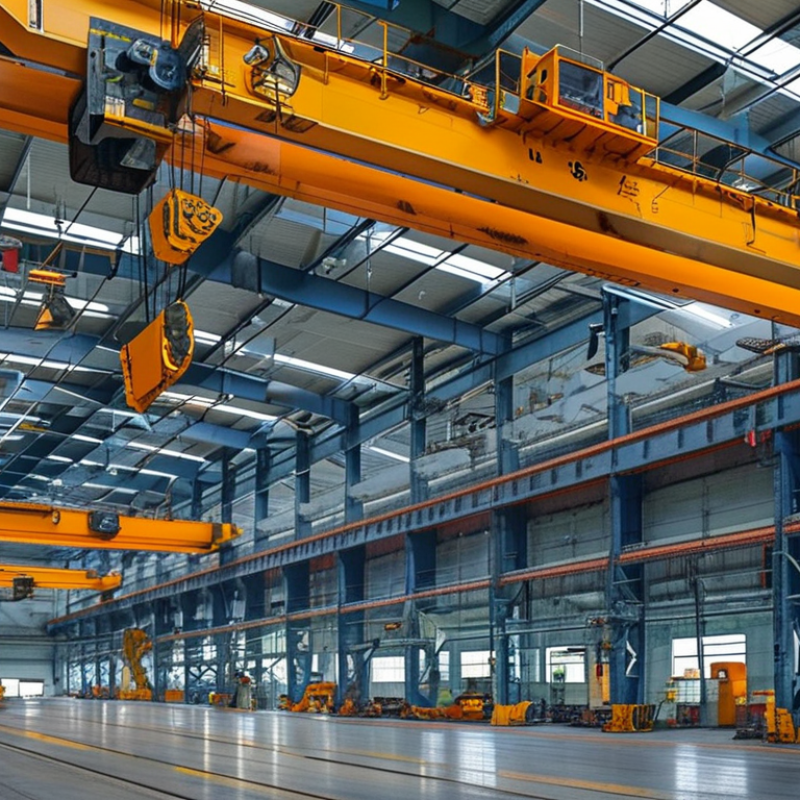
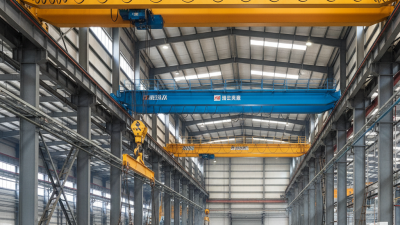
Overhead bridge cranes are essential in many industrial settings. Their design allows efficient movement of heavy materials. These cranes can lift loads from one point to another with precision. They are particularly useful in manufacturing plants, warehouses, and shipping yards. The ease of operation increases productivity. Workers can focus on other tasks while the crane handles heavy lifting.
These cranes offer several advantages. They maximize floor space since they operate overhead. This feature leaves the ground area clear for other activities. Additionally, they can be customized for specific tasks. Whether it’s lifting steel beams or heavy machinery, they can adapt. However, the initial investment can be significant. Companies must evaluate their long-term needs versus short-term costs. Some installations may require adjustments or maintenance over time.
Choosing the right overhead crane is crucial. Factors to consider include load capacity and span. Understanding the operational environment is essential too. It may involve navigating space limitations or power availability. Regular maintenance is necessary for optimal performance. Regular checks can prevent safety issues. Proper training for operators can make a difference. While the benefits are clear, careful planning enhances effectiveness.
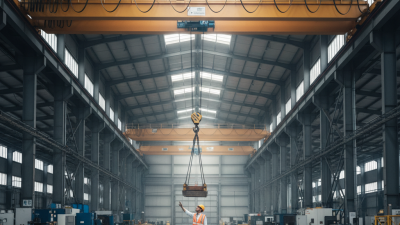
When considering overhead bridge cranes, several essential features play a significant role in decision-making.
Load capacity is critical. Many cranes can safely lift loads ranging between 0.5 to 50 tons.
It's crucial to assess your operational needs. Evaluate the maximum weight your crane must handle. Moreover, the span of the crane, which typically varies from 10 to 50 feet, directly influences your facility's layout.
A suitable span will enhance efficiency and workflow.
Durability is another factor. Cranes constructed from high-quality materials tend to last longer.
A 2022 industry report indicated that cranes made of steel could have an operational life exceeding 30 years with proper maintenance.
Additionally, pay attention to the control mechanisms.
Remote controls and smart technology can enhance safety and usability.
A crane with an ergonomic design allows for reduced operator fatigue.
Remember, not every crane meets the necessary safety standards.
Regulatory compliance is essential for operational safety. Some cranes may lack certification, which could pose significant risks.
Always consider supplier reputation and support services.
A supplier's after-sales support can significantly impact your investment's longevity.
Choose wisely; each feature contributes to the overall performance of your crane system.
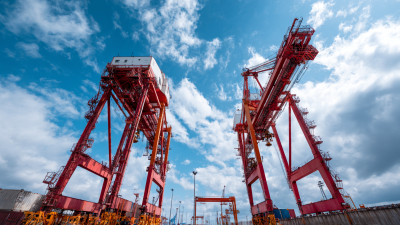
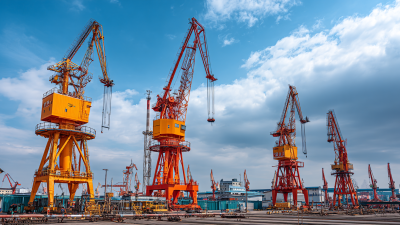
When considering different types of over head bridge cranes, it's essential to understand their unique applications. Gantry cranes are ideal for outdoor projects, often used in construction sites. They offer great mobility and can handle heavy loads. On the other hand, overhead traveling cranes are commonly used in warehouses and factories. These cranes provide efficient space utilization, allowing for smooth movement of materials.
Electric overhead cranes are another popular choice in various industries. They are efficient for tasks requiring repetitive lifting and precision. Their ease of use enhances productivity significantly. Lastly, rail-mounted cranes are suitable for large areas, facilitating the transportation of materials along a defined path.
Tips for selecting the right crane include assessing your workspace and load capacity needs. Consider the height and span of the crane to fit your operational demands. Regular maintenance is key to ensuring longevity and safety. Don't overlook operator training; it's crucial for safe and efficient crane operation. A thoughtful approach can prevent accidents and equipment failures. Engage with expert consultants when making a purchase. Their insights can be invaluable.
| Type of Crane | Advantages | Best Buying Options | Common Uses |
|---|---|---|---|
| Single Girder Overhead Crane | Cost-effective, Lightweight, Suitable for lighter loads | Online suppliers, Local distributors, Second-hand market | Manufacturing, Warehousing, Assembly Lines |
| Double Girder Overhead Crane | Higher lifting capacities, Greater span lengths, Enhanced stability | Industrial suppliers, Custom-built options, Major equipment dealers | Heavy manufacturing, Steel mills, Power plants |
| Jib Crane | Versatile, Easy to install, Ideal for small spaces | Local equipment rentals, Specialty crane manufacturers | Workshops, Assembly areas, Loading docks |
| Gantry Crane | Portable, Flexible in application, Lower cost | Portable equipment suppliers, Custom build options | Construction sites, Shipping docks, Outdoor applications |
When choosing overhead bridge cranes, it’s essential to understand the comparative advantages of leading brands. Research indicates that the overhead crane market is projected to grow at a CAGR of 5.8%, indicating increasing demand across industries. Key metrics include load capacity, span, and operational efficiency. Companies often prioritize these factors to enhance productivity.
Brands are known for different strengths. Some excel in operational speed, while others offer superior safety features. A report by a renowned industry research firm indicates that efficiency can vary by up to 30% between models from different manufacturers. This highlights the importance of understanding specific operational needs before making a decision.
Tips: Always assess the total cost of ownership, not just the initial purchase price. Consider potential maintenance costs. Look into warranties and after-sale services. Check user reviews and seek advice from industry experts to ensure a reliable choice. Remember, investing in quality can lead to significant long-term savings. You want a crane that not only meets today’s demands but adapts to future needs as well.
When considering the purchase of overhead bridge cranes, understanding cost factors is crucial. The initial price varies based on crane specifications, including capacity and span. A recent industry report indicates that a basic crane system can cost between $10,000 to $50,000. However, customization can significantly increase this price. Additional expenses arise from installation, maintenance, and operational training, which should be factored into your budget.
Planning your budget involves more than just the purchase price. Long-term operational costs can include electricity, routine maintenance, and potential repairs. According to a survey by the Occupational Safety and Health Administration (OSHA), improper maintenance contributes to approximately 20% of crane accidents. Allocating funds for regular checks can mitigate risks and ensure safety. Research shows that well-maintained cranes can last up to 20 years, offering substantial value.
Tip: Evaluate the total cost of ownership, not just the sticker price. This perspective will provide a clearer picture for your budget planning.
Additionally, it's essential to analyze your specific needs. Customized options may seem appealing but can lead to overspending if not necessary. Clarity in your operational requirements can prevent misaligned purchases and unforeseen expenses.