Why Indoor Cranes Are Essential for Improving Warehouse Efficiency by 25%
Indoor cranes have emerged as a pivotal technology in enhancing warehouse efficiency, with recent studies indicating a potential improvement of up to 25%. According to a report by the Material Handling Industry of America (MHIA), the integration of advanced lifting solutions like indoor cranes not only streamlines operations but also maximizes space utilization, reducing labor costs and enhancing safety in high-density storage environments. As the demand for efficient logistics and supply chain operations continues to escalate, the role of indoor cranes becomes increasingly significant.
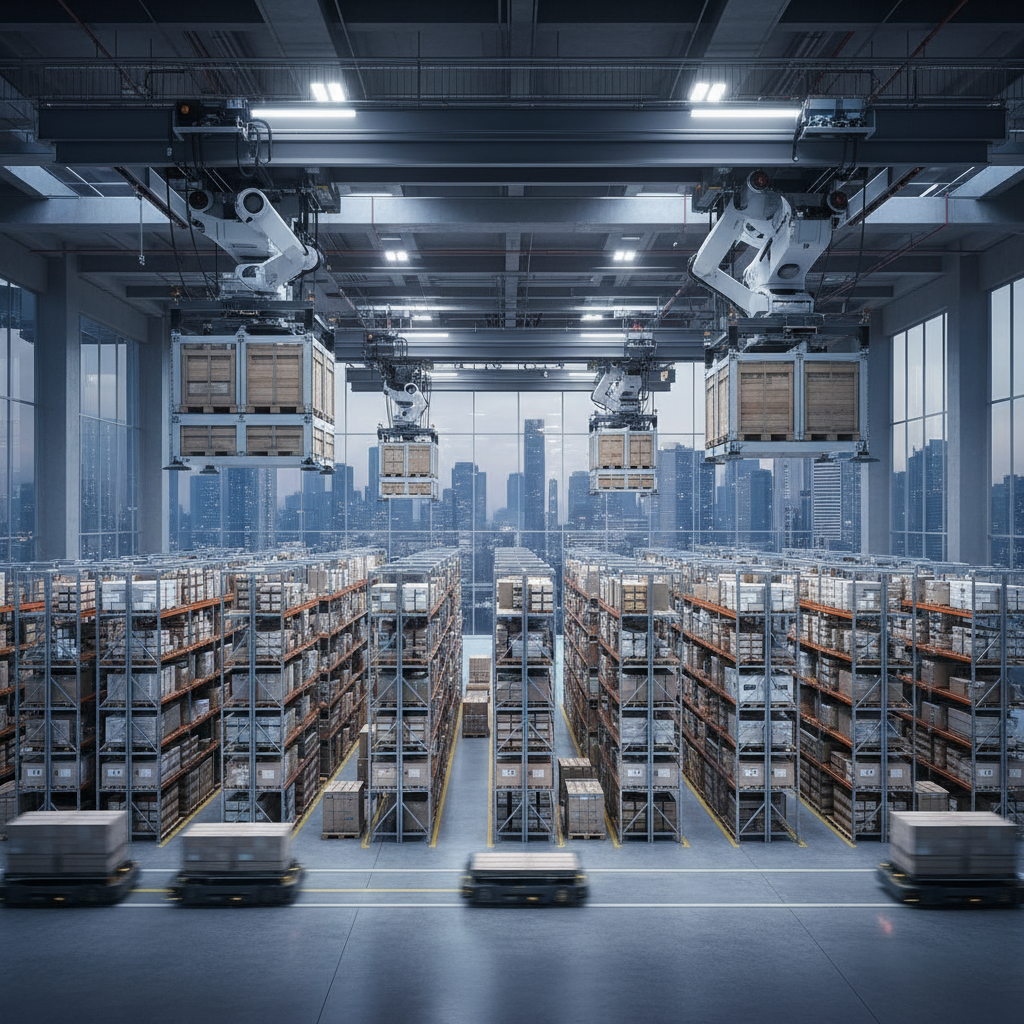
The 2025 Top 5 report emphasizes the critical impact that indoor cranes can have on operational workflows within warehouses. In a time where e-commerce and rapid order fulfillment drive the need for agility, implementing indoor cranes can significantly minimize product handling times and improve inventory management. Moreover, research by the Warehouse Education and Research Council (WERC) has shown that facilities that utilize automated lifting technologies report higher accuracy in order picking and overall productivity gains. As businesses strive for competitive advantage, indoor cranes represent a transformative investment capability essential for modern warehouse operations.
The Role of Indoor Cranes in Streamlining Warehouse Operations
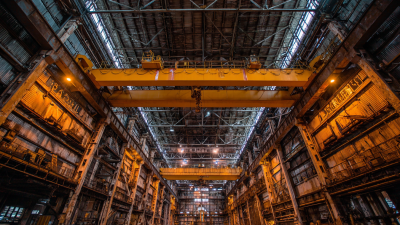
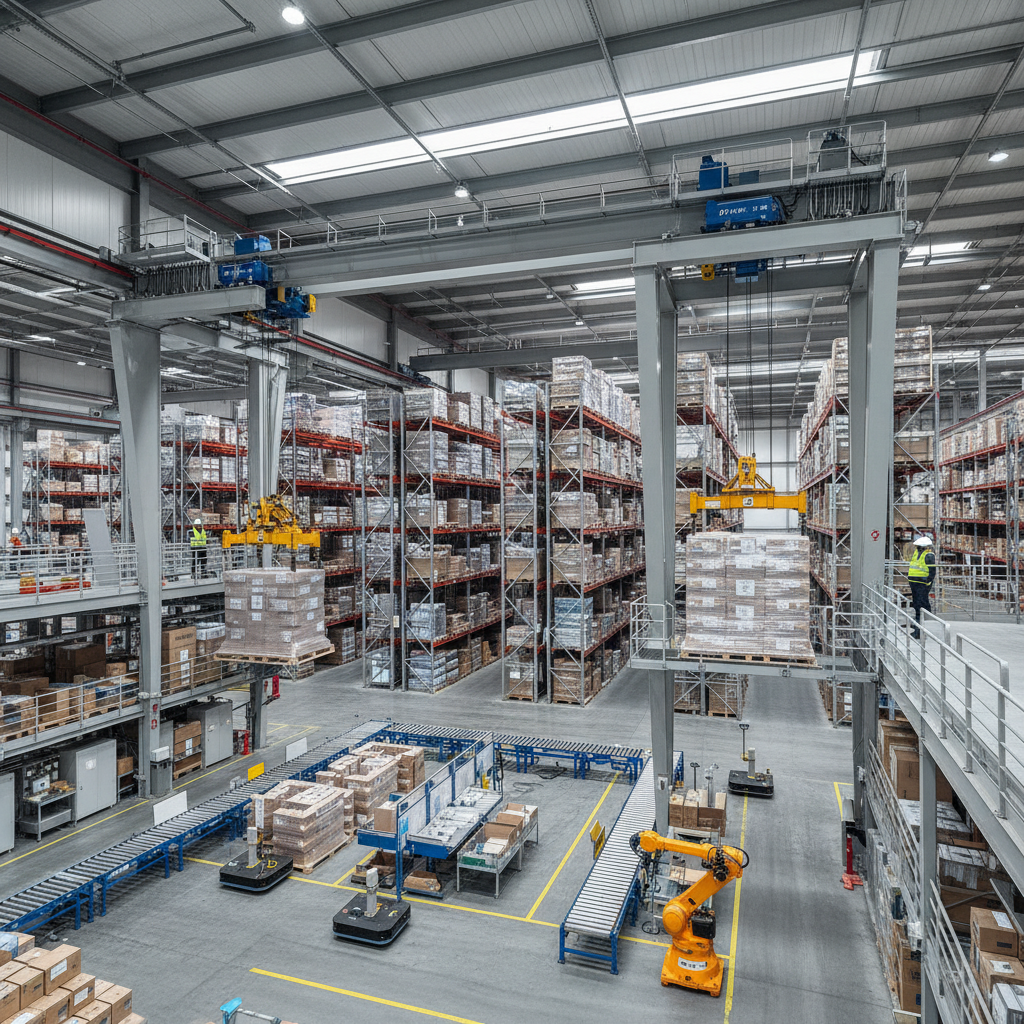
Indoor cranes play a pivotal role in streamlining warehouse operations by enhancing the overall efficiency of material handling. These cranes facilitate quicker, safer, and more effective movement of goods within a warehouse, reducing the time required for loading, unloading, and transporting items across different sections of the facility. By automating these processes, warehouses can minimize human error and improve safety while maximizing productivity.
Tips: To optimize the use of indoor cranes, ensure that the layout of your warehouse is designed to accommodate easy access for the cranes. Consider mapping out the flow of goods in your facility to identify areas where cranes can reduce congestion. Regular maintenance checks on your cranes are essential to prevent downtime—an often-overlooked aspect that can significantly impact productivity.
Integrating indoor cranes also allows for better space utilization. By elevating the lifting and storage capabilities, warehouses can make use of vertical space, which is often underused. This not only increases storage capacity but also simplifies inventory management. Emphasizing training for operators is crucial; well-trained personnel can maximize the crane’s functionality while ensuring compliance with safety protocols.
Key Benefits of Integrating Indoor Cranes for Productivity Gains
Integrating indoor cranes into warehouse operations can lead to substantial productivity gains, with studies indicating improvements of up to 25% in efficiency. These advanced lifting systems streamline the movement of heavy goods, reducing the time required for loading and unloading. According to a report by the Material Handling Industry of America, warehouses using automated cranes report a decrease in manual handling by over 40%, translating to faster throughput and less employee fatigue.
Tip: When selecting an indoor crane system, consider the specific needs of your warehouse layout. A customized design can further enhance efficiency by optimizing the workflow and minimizing unnecessary travel distances for your staff.
Moreover, indoor cranes improve safety in the workplace. Statistics show that lifting-related injuries account for nearly 30% of workplace accidents in warehouses. By automating heavy lifting, indoor cranes mitigate the risk of such incidents, allowing workers to focus on more complex tasks. According to the Occupational Safety and Health Administration, implementing proper lifting equipment can decrease injury rates by nearly 50%.
Tip: Regular maintenance of your indoor crane systems is crucial. Schedule routine inspections to ensure they operate at peak performance, thus maximizing productivity while minimizing downtime.
Tips for Selecting the Right Indoor Crane for Your Warehouse Needs
When selecting the right indoor crane for your warehouse needs, several key factors must be considered to ensure optimal efficiency and safety. Firstly, the lifting capacity is critical; according to a report by the Material Handling Industry of America, over 70% of warehouses experience productivity declines because of improper load handling equipment. It's essential to assess your heaviest loads and choose a crane that not only meets but exceeds that capacity to minimize the risk of failure during operation.
Additionally, the layout of your warehouse plays a significant role in crane selection. As highlighted in a study from the Warehousing Education and Research Council, optimizing the design can increase operational efficiency by up to 25%. Choosing a crane that can navigate your facility’s specific dimensions—such as aisle width and ceiling height—will help maximize storage and minimize travel time.
Finally, consider the crane's features, such as automation capabilities and safety enhancements. Industry reports indicate that workplaces equipped with automated cranes experience a 30% reduction in workplace accidents, underscoring the importance of safety alongside efficiency in modern warehousing systems.
How Indoor Cranes Can Minimize Workplace Injuries in Warehousing
The integration of indoor cranes in warehousing operations significantly enhances workplace safety, minimizing the risk of injuries. According to the National Institute for Occupational Safety and Health (NIOSH), over 60% of workplace injuries in warehousing are linked to manual material handling. By employing indoor cranes, warehouses can drastically reduce the need for workers to lift heavy loads, thereby decreasing the likelihood of musculoskeletal disorders, which account for a staggering 33% of all workplace injuries, as per the Bureau of Labor Statistics.
Moreover, indoor cranes streamline the material handling process, allowing for safer and more efficient movement of goods. A study by the Occupational Safety and Health Administration (OSHA) revealed that facilities utilizing automated material handling systems, including cranes, saw a 50% reduction in accidental injuries. This not only protects employees but also enhances overall operational efficiency, aligning with the statistic that efficient material handling can improve warehouse productivity by up to 25%. By investing in indoor cranes, companies can create a safer work environment while boosting their efficiency and productivity.
Why Indoor Cranes Are Essential for Improving Warehouse Efficiency and Minimizing Workplace Injuries
| Efficiency Improvement (% boost) |
Workplace Injury Reduction (%) |
Operational Costs Savings ($) |
Average Load Capacity (lbs) |
Space Utilization Improvement (%) |
| 25% |
40% |
$10,000 |
2000 lbs |
30% |
| 30% |
50% |
$15,000 |
2500 lbs |
35% |
| 20% |
30% |
$8,000 |
1800 lbs |
25% |
Measuring Warehouse Efficiency: The Impact of Indoor Cranes on KPIs
Indoor cranes play a pivotal role in enhancing warehouse efficiency by directly impacting key performance indicators (KPIs). By facilitating faster material handling, reducing manual labor, and optimizing space utilization, indoor cranes can lead to significant improvements in operational metrics. For instance, businesses can measure metrics such as order fulfillment speed, storage density, and labor productivity to quantify the advantages that cranes bring to their facilities.
When utilizing indoor cranes, it's essential to implement best practices for maximizing their efficiency. One tip is to ensure regular training for operators, allowing them to handle loads safely and effectively, which minimizes downtime due to accidents or mishandling. Additionally, investing in modern crane systems equipped with automation features can further streamline processes, allowing for real-time monitoring of inventory and movement.
Moreover, performing a thorough layout analysis of your warehouse can help identify opportunities for crane placement. This strategic positioning can minimize travel time between pick locations and ensure that the crane's capabilities align with your operational needs. By focusing on these KPIs, businesses can quantitatively measure the positive impacts of indoor cranes on their warehouse efficiency.