Gantry Crane Buying Guide for Global Importers and Suppliers?
Gantry cranes have become essential in various industries, from shipping to construction. According to a recent report by Grand View Research, the global gantry crane market is expected to reach $5.97 billion by 2025, growing at a CAGR of 4.5%. This growth reflects the increasing demand for efficient material handling solutions.
As global importers and suppliers seek to enhance productivity, understanding the various types of gantry cranes is vital. These cranes vary significantly in design, capacity, and application. Selecting the right gantry crane can impact operational efficiency and safety. Industry standards, such as those from OSHA, guide safe practices in crane operations, emphasizing the importance of compliance.
Buyers should consider factors like load capacity, lift height, and mobility. Inattention to these details can lead to costly mistakes. Additionally, acquiring equipment from reputable manufacturers ensures reliability. However, understanding your specific needs before a purchase is crucial. Mistakes in selection can result in operational delays. Ultimately, choosing the right gantry crane requires careful evaluation and informed decision-making.
Understanding Gantry Cranes: Types and Applications
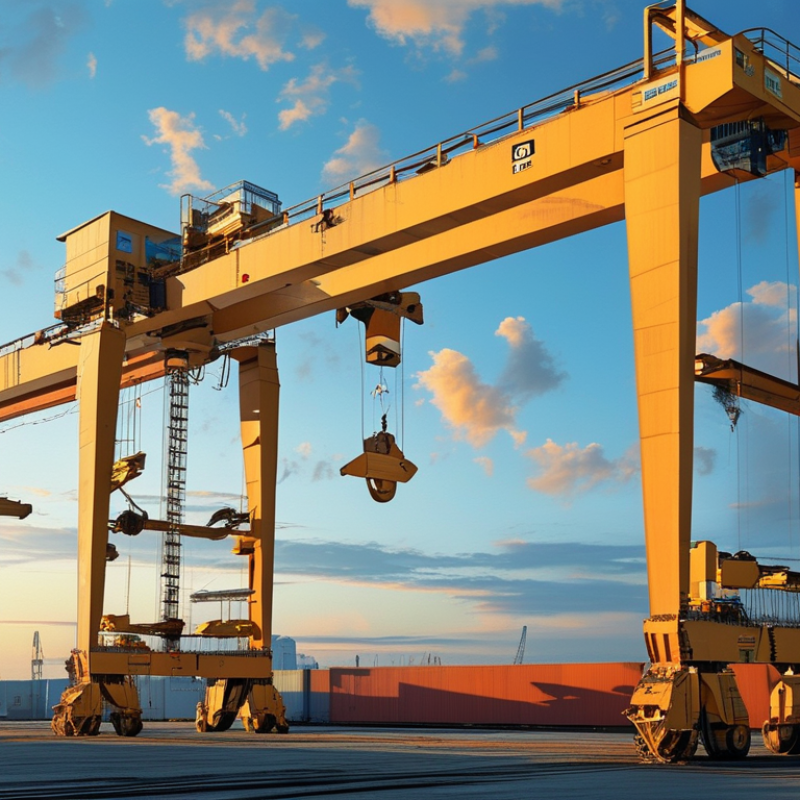
Gantry cranes play a crucial role in various industries. Understanding their types and applications can help importers and suppliers make informed decisions. Two common types include single girder and double girder gantry cranes. Single girder cranes are lighter and typically used for smaller loads. In contrast, double girder cranes offer greater lifting capacity and stability, making them ideal for heavy-duty tasks.
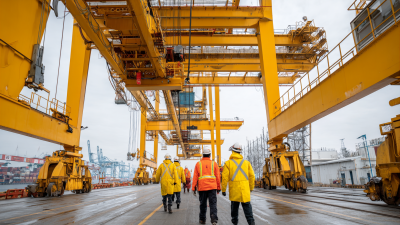
Applications for gantry cranes vary widely. They are commonly found in shipping yards, construction sites, and manufacturing facilities. These cranes facilitate the movement of large materials, such as steel beams and shipping containers. Their versatility allows for use in both outdoor and indoor settings. However, it's essential to consider factors like weight capacity and height limitations before making a purchase.
Potential buyers should also reflect on their unique operational needs. Overlooking specific requirements can lead to suboptimal performance. It's vital to review workspace dimensions and load types thoroughly. User feedback and expert advice can enhance understanding of which crane type suits particular environments. Hence, careful evaluation is necessary to avoid costly mistakes.
Gantry Crane Types and Their Applications
Key Factors to Consider When Buying Gantry Cranes
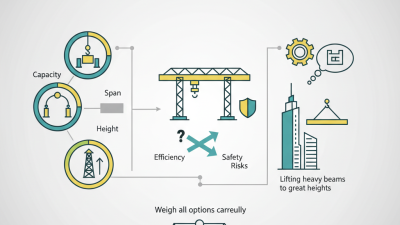
When considering the purchase of a gantry crane, various key factors require careful evaluation. Load capacity is crucial. Determine the maximum weight you’ll be lifting to ensure the crane meets your operational needs. Often, underestimating this can lead to accidents or equipment failure. Moreover, check the span of the crane. It should suit the layout of your workspace, ensuring efficiency and safety.
The intended environment plays a significant role as well. Will the crane be used indoors, outdoors, or in challenging conditions? Harsh weather or confined spaces could affect your choice. Pay attention to materials used in construction, as corrosion resistance may be necessary in certain industries.
Also, consider the ease of assembly and disassembly. Some models may appear robust but become cumbersome during installation. A complex setup can lead to additional costs and time delays. Lastly, assess the supplier's credibility. Research their experience and customer feedback. It's essential to invest time in finding reliable partners to avoid future complications.
Gantry Crane Buying Guide for Global Importers and Suppliers
| Feature |
Importance |
Considerations |
| Load Capacity |
High |
Determine the maximum weight to be lifted. |
| Span Length |
Medium |
Measure the area where the crane will operate. |
| Height Under Hook |
High |
Ensure sufficient clearance for loads. |
| Power Source |
Medium |
Choose between electric, gas, or manual options. |
| Mobility |
Medium |
Fixed or portable cranes based on needs. |
| Safety Features |
High |
Look for overload protection and emergency stops. |
| Durability |
High |
Select materials suited for working conditions. |
| Cost |
Medium |
Balance between quality and budget constraints. |
| Maintenance |
Medium |
Consider ease of maintenance and service availability. |
Evaluating Suppliers: Questions to Ask Before Purchase
When planning to purchase a gantry crane, evaluating potential suppliers is essential. One should start by asking about their experience in the industry. How long have they been in business? An established supplier often has a track record of reliability. Request case studies or references from past clients. This insight can shed light on their performance and overall reputation.
In addition to experience, consider the supplier's certifications. Are they compliant with international safety standards? Certifications reflect a commitment to quality and safety protocols. It's beneficial to verify these claims through independent sources. Furthermore, ask about their warranty and service options. Understanding the terms of support can save you money and time down the line.
Pricing is crucial too. Obtain multiple quotes to assess average market rates. However, the cheapest option may not always be the best. Reflect on what value is included in the price. Deliverables, installation, and maintenance can influence overall costs. Look for suppliers willing to engage in discussions about your specific needs. Effective communication often indicates a reliable supplier.
Import Regulations and Compliance for Gantry Cranes
Import regulations for gantry cranes are crucial for global importers. Different countries have unique compliance standards. For instance, the European Union mandates rigorous testing, ensuring safety and performance. Reports indicate that non-compliance can lead to penalties exceeding 20% of the import value.
Many importers often overlook documentation, which can lead to significant delays. The Harmonized System (HS) codes play a vital role here. Accurately classifying cranes under these codes prevents misunderstandings and ensures a smoother customs clearance process. Ignorance of these codes can result in costly mistakes.
Navigating import regulations requires expert knowledge. It’s important to invest time in understanding local laws. Industry studies show that 30% of cranes face import rejection due to inadequate paperwork. This emphasizes the need for compliance and awareness. Proper knowledge reduces risks significantly.
Cost Analysis: Budgeting for Your Gantry Crane Investment
Investing in a gantry crane involves careful budgeting. The initial cost can vary significantly based on specifications. Consider the lifting capacity, size, and features. Each choice impacts the overall investment. When evaluating costs, think about long-term expenses. Maintenance and operational costs are crucial. They often extend beyond the purchase price.
Tip: Assess your operational needs before finalizing specifications. A crane that is too large or complex can inflate costs. Evaluate how often the crane will be used. If usage is low, a more economical option may suffice.
Another point to consider is installation costs. Professional setup may be necessary, adding to the budget. Ensure you account for these expenses in your initial plan. It's also wise to factor in training costs for your operators. Untrained personnel can lead to inefficiencies and accidents.
Tip: Prepare for unexpected expenses. Set aside a portion of your budget for unforeseen costs. This helps avoid disruptions in your operations. Always prioritize safety alongside profitability in your budget considerations.