Essential Overhead Crane Tips for Effective Global Sourcing?
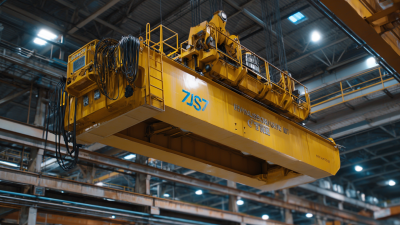
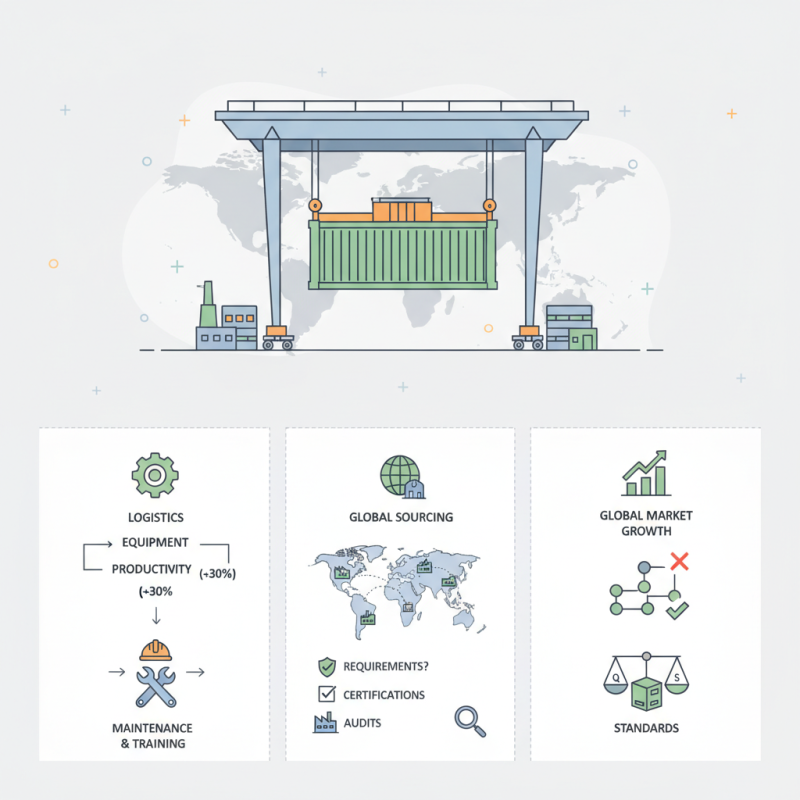
Effective global sourcing relies heavily on the equipment used in logistics and material handling. An essential component of this is the Overhead Crane. According to a report by the Material Handling Industry of America, the global crane market is projected to grow significantly, indicating an increasing reliance on such equipment. Companies sourcing internationally must focus on optimizing crane operations to enhance productivity.
Overhead Cranes play a critical role in warehouses, construction sites, and manufacturing plants. Utilizing these systems can improve operational efficiency by over 30%. However, many businesses overlook essential maintenance and training. Failure to prioritize these aspects can lead to accidents and downtime, ultimately impacting the supply chain.
Moreover, understanding the specific requirements for each installation is crucial. Not all cranes are suitable for every environment or application. A tailored approach to selecting and sourcing Overhead Cranes can mitigate risks. Companies must also remain aware of global suppliers' variations in quality and standards. Seeking reliable certifications and operational audits can enhance sourcing decisions in this competitive landscape.
Understanding the Role of Overhead Cranes in Global Sourcing
Overhead cranes play a pivotal role in global sourcing by enhancing the efficiency of material handling processes. These cranes are essential in manufacturing, logistics, and shipping industries worldwide. They can lift and move heavy loads with precision, reducing the time required for transportation tasks. This capability is crucial in tight production schedules.
Despite their advantages, sourcing overhead cranes involves challenges. Different manufacturers offer varied designs and technologies. It requires thoughtful consideration of factors like load capacity and operational requirements. The wrong choice can lead to inefficiencies and even accidents. Businesses should engage experts to evaluate their specific needs.
A key aspect often overlooked is maintenance. Regular checks are vital for safety and longevity. Cranes can develop issues that hinder operations. Companies must invest time in training staff about proper use and troubleshooting. This proactive approach leads to smoother operations and minimizes costly downtimes.
Essential Overhead Crane Tips for Effective Global Sourcing
This chart illustrates the average percentage of industries utilizing overhead cranes in their global sourcing operations. The data reflects different sectors and their reliance on overhead cranes for efficiency and productivity.
Key Factors Influencing Overhead Crane Selection for Procurement
When selecting overhead cranes for global sourcing, several key factors should be considered. Load capacity is crucial. Knowing the weight limits of your materials helps prevent accidents. Cranes must be capable of lifting heavy loads without risking structural integrity.
Durability and maintenance are also vital. Cranes should withstand harsh environments. Think about the materials used in construction. Corrosion-resistant materials can prolong life. Accessibility for repairs is important. Sometimes, maintenance can be overlooked, leading to downtime.
Safety features cannot be ignored. Emergency stop buttons, limit switches, and alarms enhance safety. All operators should be trained properly. Human error can complicate operations. Reflecting on training programs can uncover gaps. Evaluate if current practices meet safety standards regularly. Consider these aspects thoroughly to ensure a smart procurement decision.
Essential Overhead Crane Tips for Effective Global Sourcing
| Factor |
Description |
Importance Rating (1-5) |
| Load Capacity |
The maximum weight the crane can lift. |
5 |
| Span Length |
Distance between the crane supports. |
4 |
| Headroom |
Vertical height from the floor to the top of the crane. |
4 |
| Duty Cycle |
Frequency of use and load lifting that the crane can handle. |
5 |
| Power Source |
Type of power required, such as electric or hydraulic. |
3 |
| Control System |
Method of operation, such as radio or pendant control. |
4 |
| Safety Features |
In-built features to prevent accidents and enhance safety. |
5 |
| Manufacturer Support |
Availability of service, parts, and training from the manufacturer. |
4 |
Best Practices for Evaluating Overhead Crane Suppliers Worldwide
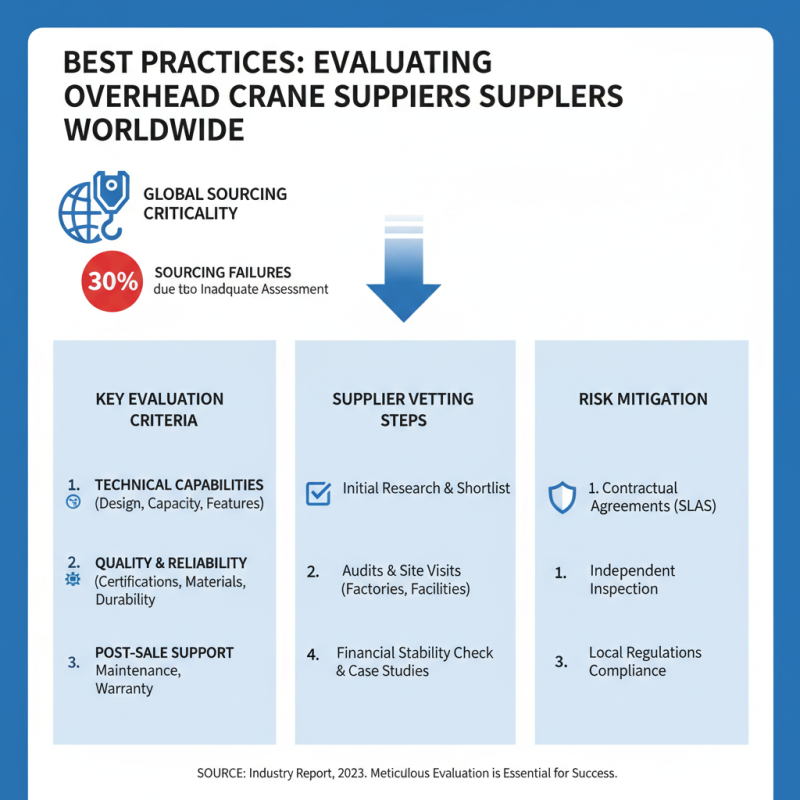
When sourcing overhead cranes globally, evaluating suppliers is crucial. A recent industry report shows that over 30% of sourcing failures stem from inadequate supplier assessment. Therefore, meticulous evaluation is essential.
Start by assessing the supplier's experience in the industry. Look for companies with a proven track record. A supplier with at least five years of experience is preferred. They are more likely to understand your specific requirements. Additionally, consider their certifications. Compliance with international standards ensures quality and safety.
Engage in direct communication with potential suppliers. Ask detailed questions about their products, production processes, and quality control measures. Transparency is a vital indicator of reliability.
When reviewing customer testimonials, don’t neglect negative feedback. A few unfavorable comments can highlight areas for improvement. These insights can help you avoid potential pitfalls. Furthermore, consider their after-sales support. Reliable service can make a significant difference in long-term satisfaction and operational efficiency.
By focusing on these aspects, you can enhance your global sourcing strategy for overhead cranes. Effective evaluation leads to better partnerships and successful operations.
Strategies for Ensuring Quality and Compliance in Crane Sourcing
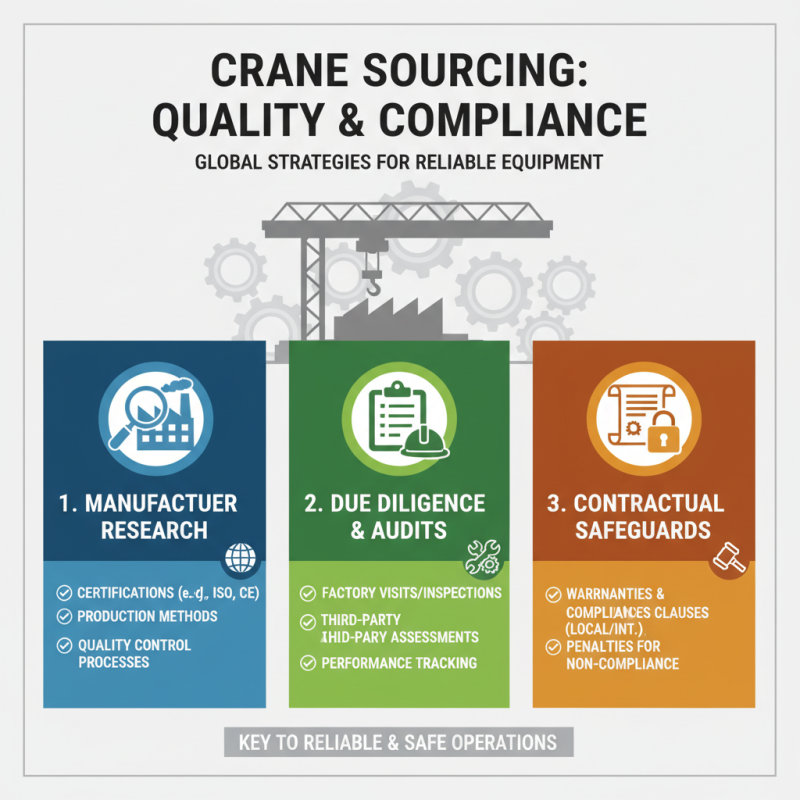
When sourcing overhead cranes globally, ensuring quality and compliance is crucial. Quality begins with thorough research on manufacturers. Understand their certifications, production methods, and quality control processes. This foundational knowledge helps to identify reliable suppliers.
Engaging in regular communication with suppliers can prevent misunderstandings. Share specific requirements and clarify expectations early in the process. A well-defined contract is essential to enforce compliance. Ensure it includes quality standards, delivery timelines, and penalty clauses for non-compliance. This creates accountability.
Monitoring production and conducting inspections at various stages is beneficial. Sometimes, reports from third-party inspectors highlight issues that an internal team might miss. Even with stringent measures, unforeseen challenges can still arise. Being adaptable and willing to refine your approach can lead to better long-term outcomes. Rigorous evaluation combined with flexibility can enhance crane sourcing success.
Cost Management Techniques in Overhead Crane Global Sourcing
When it comes to global sourcing of overhead cranes, cost management is crucial. Understanding the total cost of ownership (TCO) is essential. This includes not just the purchase price but also shipping, installation, and maintenance costs. Companies must analyze all these factors to gain better insights into their expenses. Assessing supplier reliability is another key area of focus. A cheaper option could lead to higher long-term costs due to service issues or delays.
Evaluating suppliers based on their experience is vital. Finding a vendor with expertise can save money and time. It's not just about saving upfront. Consider the implications of poor quality or inefficiencies later on. Transparency in communication can also enhance relationships and reduce costs. It promotes more accurate negotiations and expectations.
Conducting thorough market research can uncover hidden costs. Overlooking currency fluctuations can impact overall pricing strategies. Regularly revisiting contracts allows businesses to adapt quickly to changing conditions. However, it’s important to plan for unexpected expenses. Emphasis should be placed not only on cutting costs but ensuring they are sustainable. Balancing quality and price can sometimes feel daunting. A few mistakes in judgment can lead to significant financial repercussions. Engaging in continuous learning can help refine sourcing strategies for better outcomes.