What is Eot Crane and How Does it Benefit Your Business?
In the domain of industrial lifting solutions, the Eot Crane stands out as a pivotal equipment. This crane type, commonly known as an electric overhead traveling crane, plays a vital role in numerous businesses. By facilitating efficient material handling, it directly impacts productivity and operational costs.
Businesses often face challenges in task execution, especially when handling heavy loads. Here, the Eot Crane excels, offering unique strengths. It minimizes manual labor and reduces the likelihood of workplace injuries. Furthermore, its ability to span large areas allows for versatile applications in warehouses, factories, and construction sites.
However, investing in an Eot Crane requires thoughtful consideration. The initial costs can be significant, and maintenance must not be overlooked. Additionally, proper training for operators is crucial. The benefits of using an Eot Crane are clear, but businesses must balance these against potential challenges. Strategic planning and analysis will ensure that the Eot Crane elevates operational efficiency while maintaining safety standards.
What is an Eot Crane?
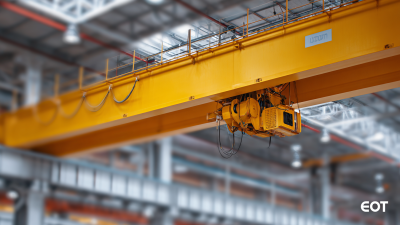
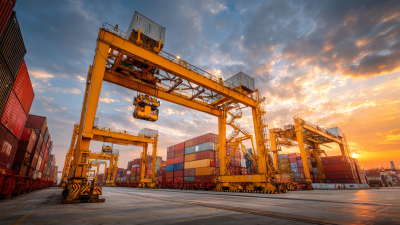
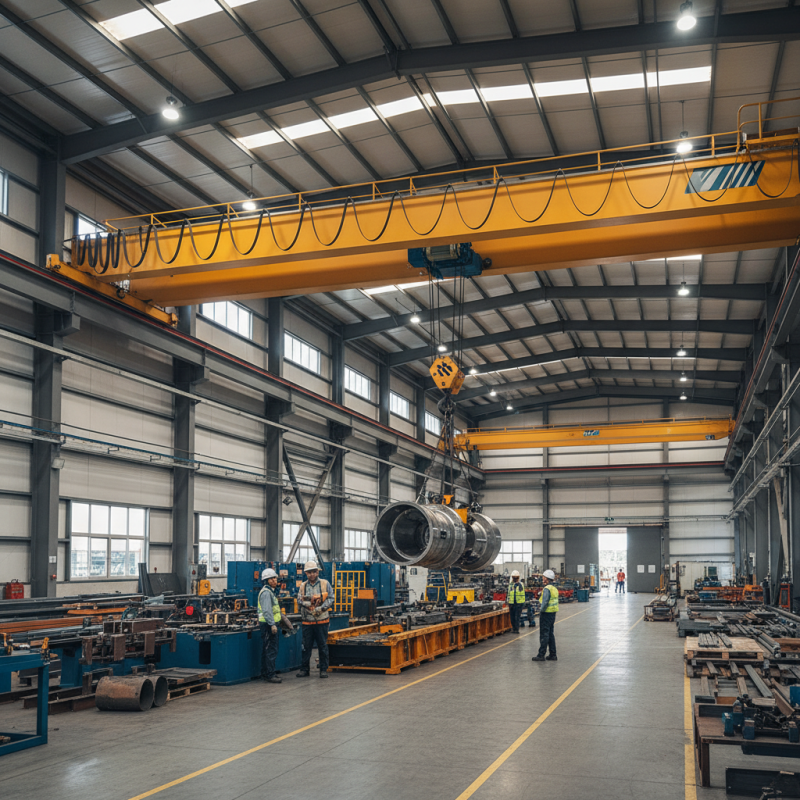
Eot Crane, also known as an overhead crane, is a key equipment in many industries. It features a hoisting mechanism that moves along overhead tracks. This design allows it to lift and transport heavy loads efficiently. Eot Cranes are essential in manufacturing, shipping, and construction.
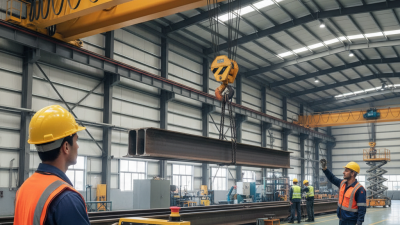
These cranes significantly enhance operational efficiency. They reduce the need for manual handling of heavy materials. This can minimize workplace injuries, leading to a safer environment. Furthermore, they optimize workflow by quickly moving materials to their designated locations. However, not all businesses may need one. Some might find the initial investment challenging. Evaluating your specific situation is crucial before acquiring an Eot Crane.
With proper planning and use, Eot Cranes can lead to substantial cost savings. By increasing productivity, they contribute to higher profits. But businesses should also consider maintenance costs and potential downtime. Understanding these factors will help you make a more informed decision.
Benefits of Using Eot Cranes in Industries
Key Features of Eot Cranes for Industrial Applications
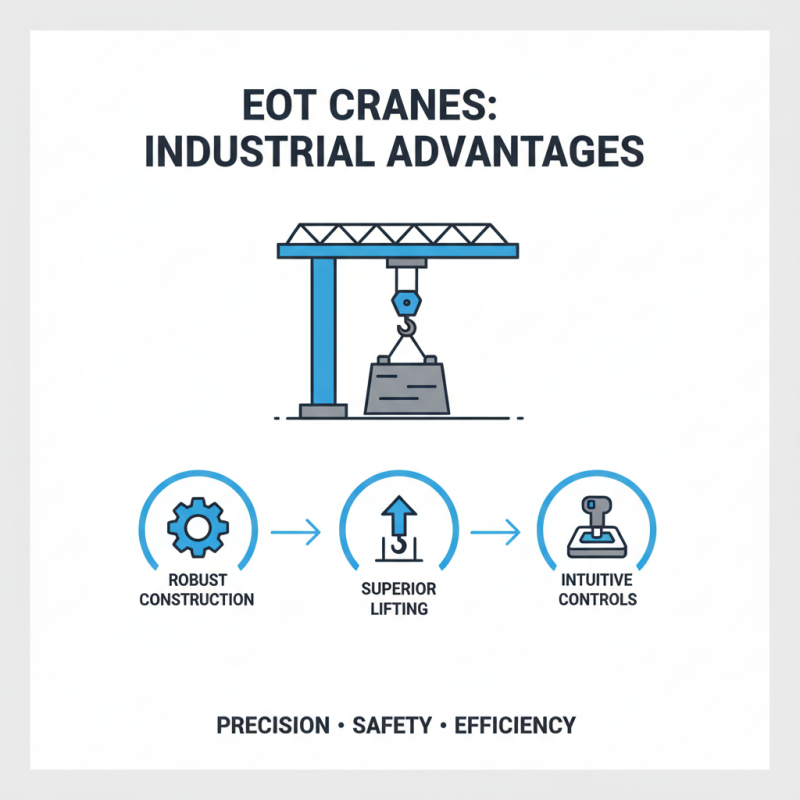
Eot cranes, or Electric Overhead Traveling cranes, play a vital role in industrial applications. They enhance efficiency by facilitating the smooth movement of heavy loads. Key features of Eot cranes include robust construction, superior lifting capabilities, and intuitive control systems. These elements enable operators to handle materials with precision and safety, crucial in high-demand settings.
One important aspect is their ability to operate in tight spaces. This flexibility allows for better utilization of warehouse or factory layouts. Operators can easily maneuver around obstacles, optimizing space usage. It’s critical to ensure that operators are trained properly. Effective training can prevent accidents and equipment damage.
Consider regular maintenance as a part of your operational plan. Routine checks can identify potential issues before they become serious problems. Investing time in preventive measures can save significant costs in the long run. Additionally, keeping an inventory of spare parts can minimize downtime. Having a reliable Eot crane not only boosts productivity but can also create a safer work environment.
Advantages of Using Eot Cranes in Business Operations
EOT cranes, or Electric Overhead Traveling cranes, are essential tools in various industries. They streamline operations by lifting heavy loads with precision and efficiency. According to a report by Grand View Research, the global overhead crane market is expected to grow at a CAGR of 5.0% from 2023 to 2030. This indicates increasing adoption of cranes for better productivity.
One key advantage of using EOT cranes is improved safety. They significantly reduce the risk of accidents associated with manual lifting. A study from the Occupational Safety and Health Administration (OSHA) highlights that proper crane operations can lead to a 30% reduction in workplace injuries. Enhanced safety measures are crucial in protecting workers and minimizing liability.
Tip: Regular training and maintenance for operators can further boost safety and efficiency.
EOT cranes also enhance operational flexibility. They can be customized to fit various manufacturing processes. Companies can transport materials easily between different areas. The adaptability of these cranes allows for better space utilization. This can lead to significant improvements in workflow. However, investing in advanced cranes requires proper planning. It's important to evaluate the specific needs of your operation.
Tip: Conduct a thorough assessment before making an investment. Identify your requirements to avoid overspending on unnecessary features.
Types of Eot Cranes and Their Specific Uses
Eot cranes, or electrically operated overhead traveling cranes, come in various types, each tailored for specific applications. The most common types include single girder and double girder cranes.
Single girder cranes are lightweight and ideal for smaller spaces. They excel in lifting lighter loads, making them suitable for warehouses and assembly lines. In contrast, double girder cranes offer stronger support for heavier weights. They are used in manufacturing and steel processing industries.
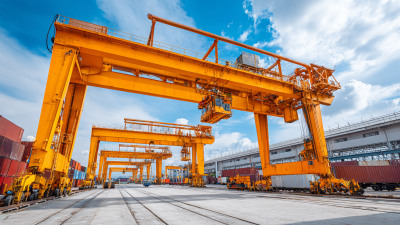
Another noteworthy type is the cantilever crane. This design is perfect for loading and unloading trucks and shipping containers. With advancements in technology, Eot cranes now integrate smart sensors. According to industry reports, cranes equipped with sensors can reduce operational risks by 30%. Understanding these types is crucial for businesses looking to enhance efficiency.
Tip: Assess the specific needs of your operation before choosing a crane type. This can save costs and improve safety.
Additionally, consider upgrading to smart Eot cranes. These cranes not only improve operational efficiency but also minimize downtime. Nonetheless, many companies underestimate the importance of regular maintenance. Without it, even the best-equipped cranes can face issues. Regular checks can prevent unexpected breakdowns and costly repairs.
Maintenance and Safety Considerations for Eot Cranes
EOT cranes are essential for many industries, offering efficiency and reliability. However, maintenance and safety are critical. Regular inspection of these cranes can prevent costly downtime. According to industry reports, nearly 60% of crane accidents arise from improper maintenance.
Implementing a structured maintenance program is vital. Inspect gearboxes, brakes, and hoists routinely. Delays in these checks can lead to failures and hazards. Aim for a maintenance schedule that aligns with operational intensity. Track usage hours and develop a checklist for important components.
Safety training cannot be overlooked. Employees should receive comprehensive training on EOT crane operations. Familiarity with crane features enhances safety. Reports indicate that up to 80% of crane-related incidents involve human error. Regular refresher courses can address knowledge gaps. Prioritize communication and clear procedures to minimize risk.
What is Eot Crane and How Does it Benefit Your Business? - Maintenance and Safety Considerations for Eot Cranes
| Feature |
Description |
Benefits |
Maintenance Considerations |
Safety Tips |
| Load Capacity |
Typically ranges from 1 to 400 tons |
Increases efficiency in heavy lifting tasks |
Regular inspection and testing |
Use proper personal protective equipment (PPE) |
| Control Options |
Manual or automated control systems |
Enhances precision in operations |
Ensure all controls are functional before operation |
Train operators on control usage |
| Durability |
Built to withstand harsh industrial environments |
Long service life reduces overall costs |
Conduct routine maintenance and lubricate moving parts |
Inspect for wear and tear regularly |
| Flexibility |
Can be customized for various lift requirements |
Adapts to different operational needs |
Assess load limits based on modifications |
Ensure load stabilization when lifting |
| Safety Features |
Includes overload protection and limit switches |
Reduces risk of accidents during operations |
Regularly test safety systems |
Conduct safety drills with all personnel |