How to Choose the Right Bridge Crane for Your Business?
Choosing the right bridge crane for your business is a critical decision. It impacts productivity and safety. Jack Thompson, an expert in heavy machinery, once stated, “Investing in the right bridge crane is investing in your future.” This highlights the importance of making an informed choice.
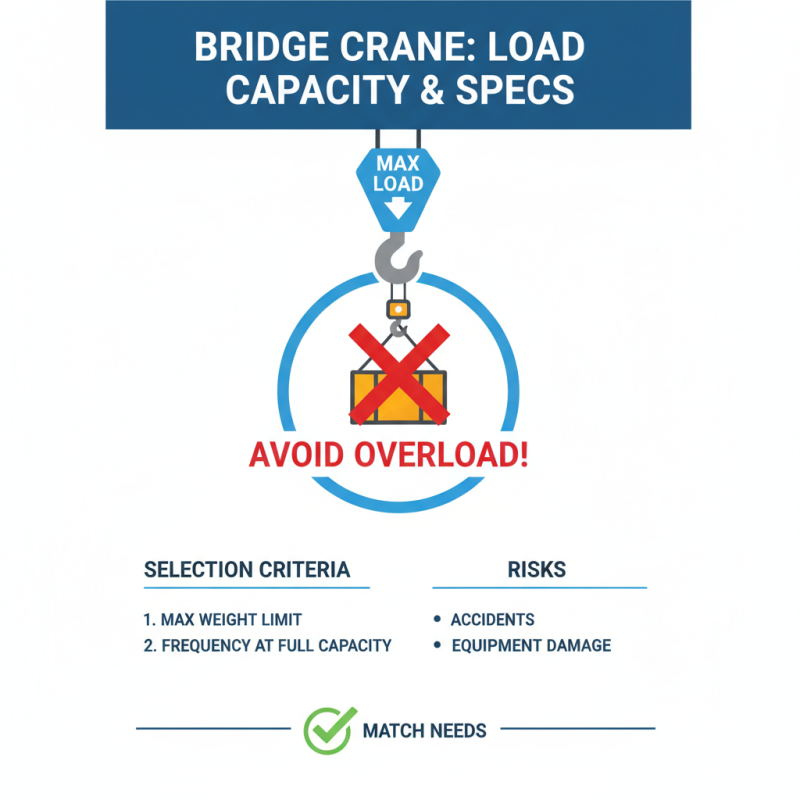
When considering a bridge crane, several factors come into play. The load capacity is paramount. If the crane cannot handle the necessary weight, operations will suffer. Additionally, the height and span of the bridge crane are essential. You need to ensure it fits your workspace. Sometimes, businesses overlook the power source, which can lead to inefficiencies.
It's important to reflect on the storage and maintenance requirements as well. Some cranes require more upkeep than others. This could strain resources over time. Also, think about the user training needed. Improper use of a bridge crane can lead to serious accidents. Taking the time to evaluate these considerations is crucial for success.
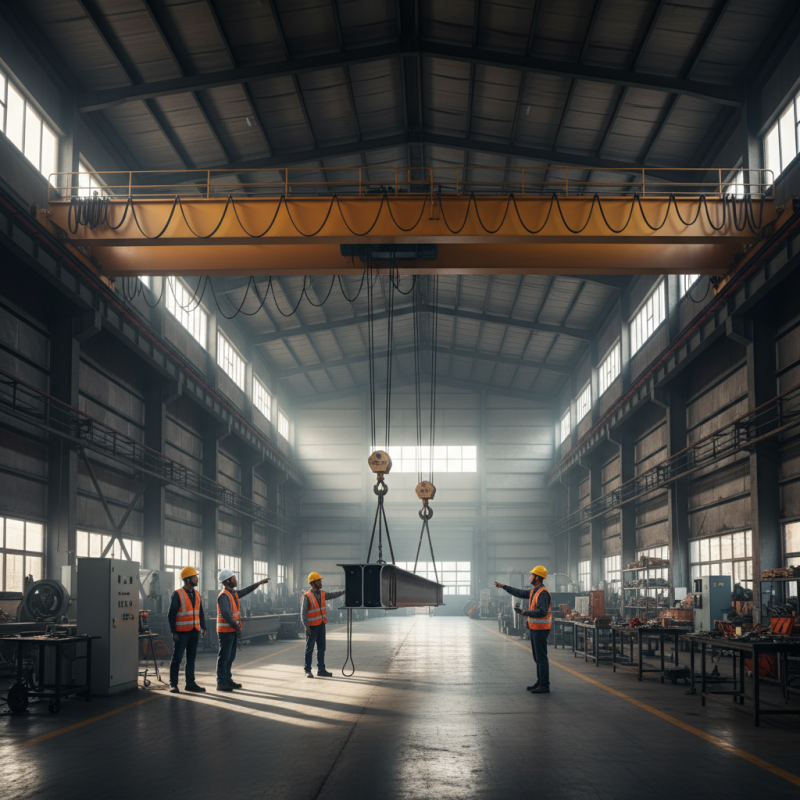
Identifying Your Business Needs for a Bridge Crane
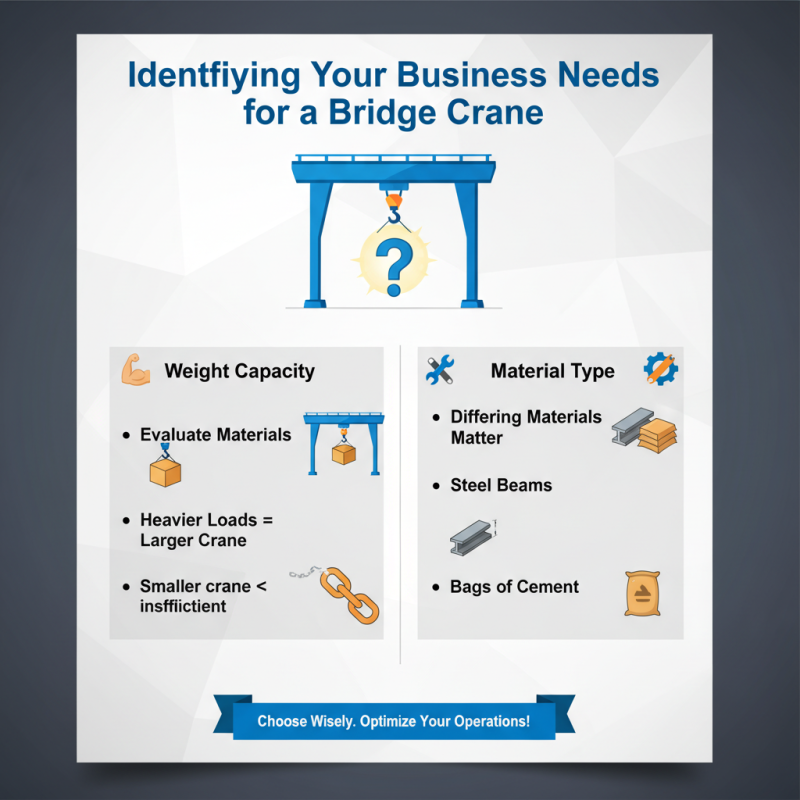
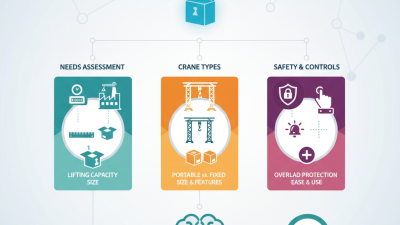
When searching for the right bridge crane for your business, understanding your specific needs is crucial. Begin by evaluating the materials you plan to lift. Weight capacity is key. A smaller crane might be insufficient for heavier loads. Consider the type of materials, too. Steel beams differ from bags of cement.
Next, think about your workspace. How much space do you have? Is the area cramped or expansive? A compact design may be necessary if space is tight. Also, consider how frequently you will use the crane. Will it be a constant part of your operations or just for peak periods? Frequent use demands a sturdy, high-quality crane, while rare usage might allow for a simpler model.
You should also assess safety features. Lifting heavy items can be risky. Ensure the crane has adequate safety measures in place. Talk to your team, gather opinions, and consider potential hazards. Reflecting on these aspects will guide you in selecting the best crane for your business needs. Sometimes the ideal choice isn't immediately obvious. It's worth revisiting your options until you find a suitable match.
Understanding Different Types of Bridge Cranes Available
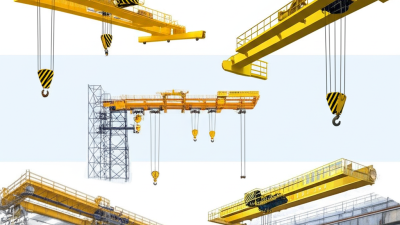
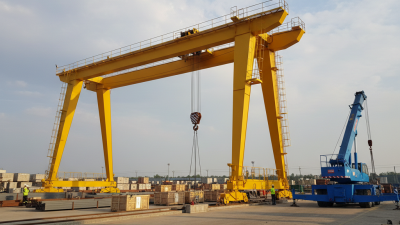
Choosing the right bridge crane is crucial for any business. Different types of bridge cranes cater to various needs. For instance, overhead bridge cranes are common in warehouses. They can lift heavy loads efficiently. Depending on the lifting capacity, businesses can choose between single or double girder designs. Single girder cranes handle up to 10 tons, while double girder models can lift more than 100 tons.
According to the Global Market Insights report, the bridge crane market is expected to grow significantly. The projected growth rate is around 4% annually. This increase highlights the importance of understanding crane types. For example, gantry cranes offer flexibility for outdoor applications. They come with wheels and can move along tracks. However, their design might not suit every indoor environment.
It is also necessary to consider safety features when selecting a crane. Lifting height and span are important factors. However, many businesses overlook these crucial aspects. Poor safety features can lead to accidents and costly downtime. Investing in a crane that meets specific operational requirements is essential. Understanding the strengths and limitations of each crane type allows for better decision-making.
Considering Space and Layout Requirements for Crane Installation
When selecting a bridge crane, understanding space and layout is crucial. Proper installation requires evaluating your facility's dimensions. A report from the Material Handling Industry (MHI) indicates that improper spacing can lead to inefficiencies. A crane's operational reach must match your workspace. Many companies underestimate this aspect, which can cause significant delays.
Consider ceiling height and floor space. The lifting height is vital for maximizing storage. Inadequate ceiling clearance can hinder vertical operations. Data shows that at least 20% of businesses experience workflow interruptions due to spatial constraints. Evaluate your layout. Is there enough room for the crane's movement? The width of aisles and the location of obstacles greatly affect crane efficiency.
Reflect on your operational needs. A poorly planned setup may create bottlenecks. It is essential to visualize the crane's path. Consider where materials will enter and exit. Every inch counts; small miscalculations can lead to reduced productivity. Be thorough in your planning, as even slight oversights may result in costly adjustments later.
Budgeting and Cost Analysis for Purchasing a Bridge Crane
When considering the purchase of a bridge crane, budgeting is crucial. Start by determining your overall budget. Factor in costs beyond just the crane itself. Installation, training, and maintenance expenses can add up quickly. You don’t want to overspend and be left with unexpected bills. Calculate a realistic figure for these additional costs.
Next, analyze the cost of ownership over time. Bridge cranes have varying lifespans and maintenance needs. A cheaper crane might seem appealing, but it could lead to higher long-term costs. Inspect how often maintenance is required. Some cranes may need more frequent servicing, which can eat into your budget.
Moreover, consider the features that fit your operations. More advanced features often come with higher costs. Ask yourself if those features are necessary for your production. Undoubtedly, it can be tempting to go for the latest technology. However, it may not be ideal for your specific needs. Balancing price against functionality is key to making a wise investment.
Cost Analysis for Bridge Cranes