How to Choose the Right Over Head Bridge Crane for Your Needs?
Choosing the right Over Head Bridge Crane can be daunting. Different projects require different specifications. Understanding your specific needs is crucial.
Consider the weight capacity. Not every crane can lift heavy loads. The height and span also matter. A crane too short for your needs will cause issues. Additionally, the environment plays a role. Outdoor cranes have different requirements than indoor models.
Reflect on your selection process. Are you considering the long-term usage? Maintenance costs can add up over time. Think about the operational training required. Sometimes, the cheapest option is not the best one. A well-suited Over Head Bridge Crane can enhance efficiency and safety. So, take your time to evaluate all factors.
Understanding Overhead Bridge Cranes and Their Applications
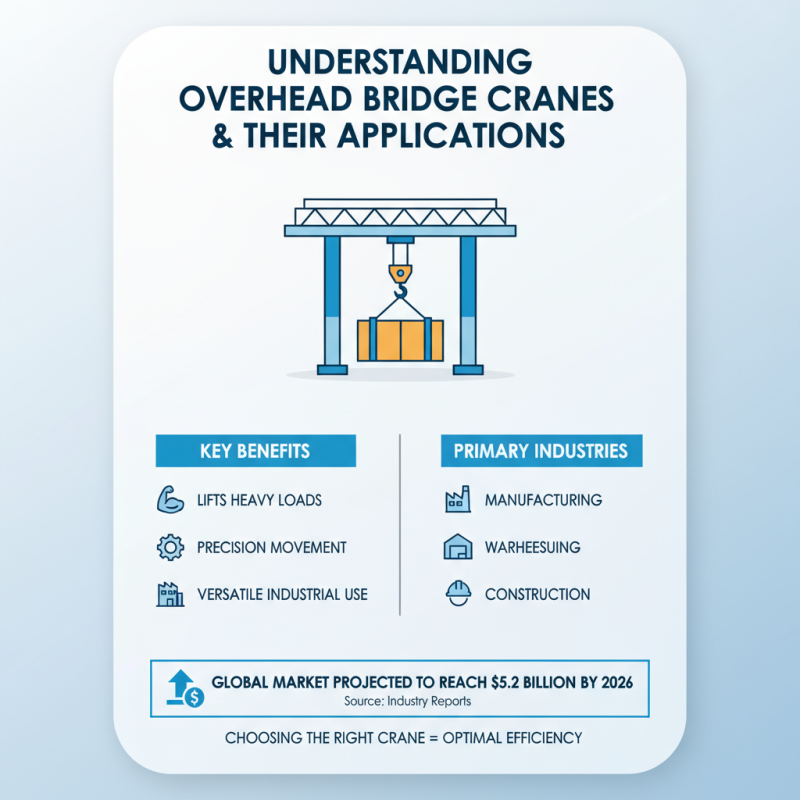
Overhead bridge cranes are vital tools in various industries. They help lift and move heavy loads with precision. These cranes work well in manufacturing, warehousing, and construction. Reports indicate that the global overhead crane market is projected to reach $5.2 billion by 2026. This growth highlights the importance of choosing the right crane.
Different applications require different crane specifications. For instance, warehouses need cranes capable of handling high lifting capacities. In contrast, manufacturing units prefer cranes with higher speed and accuracy. A survey showed that 65% of companies reported improved productivity after upgrading their cranes. However, many businesses also noted challenges in selecting suitable models. Balancing load capacity and operational speed can be tricky.
Understanding the types of overhead bridge cranes is essential. There are single girder and double girder models, each with pros and cons. Single girder cranes are lighter and more cost-effective. Yet, they may not support heavier loads. Double girder cranes can handle larger capacities but require more installation space and budget. Reflecting on these factors can clarify the right choice for specific needs.
Key Factors to Consider When Choosing an Overhead Bridge Crane
Choosing the right overhead bridge crane can be challenging. Several key factors impact the decision. First, consider the load capacity. What weight will the crane need to lift regularly? Is there a chance for occasional heavier loads? It’s crucial to assess this to prevent accidents.
Next, think about the span of the crane. Measure the distance between the supports. This affects how efficiently the crane moves materials across your facility. A bridge crane too small could lead to wasted time and space. Additionally, consider the lift height required. Will it need to clear tall equipment? Understanding these specifications early can save you from costly adjustments later.
Don’t overlook the operating environment. Is it a clean, dry space or a harsher setting with dust and moisture? This can influence the crane's design and materials. Finally, always reflect on potential growth. Your current needs might change in the future. Choosing a crane that can adapt ensures long-term satisfaction.
How to Choose the Right Overhead Bridge Crane for Your Needs?
When selecting an overhead bridge crane, it's important to consider various factors such as lifting capacity, span length, lift height, and usage frequency. The chart below illustrates the average lifting capacities based on different industries, helping you determine the best option for your operation needs.
Assessing Your Load Capacity Requirements for Crane Selection
When selecting an overhead bridge crane, understanding load capacity is crucial. According to industry data, around 70% of crane failures stem from improper load assessments. Knowledge of your specific load requirements prevents costly mistakes and enhances safety. Ensure your crane can handle more than the maximum anticipated weight. A 20% safety margin is standard in many applications.
Consider the type of loads your crane will manage. Are they heavy, bulky, or oddly shaped? Each type demands different features and specifications. For instance, a workshop crane may not need the same capacity as one in a shipping yard. A report from the Crane Manufacturers Association of America suggests that businesses often overestimate their needs, leading to unnecessary costs.
Reflect on your workplace environment, too. Clearances, potential obstructions, and the frequency of use all play a role in crane selection. Data shows that 40% of users choose cranes without fully assessing these factors. Taking the time for a thorough site analysis can significantly improve efficiency and reduce risks. Always revisit and adjust your requirements as your operations evolve.
How to Choose the Right Over Head Bridge Crane for Your Needs? - Assessing Your Load Capacity Requirements for Crane Selection
| Crane Type |
Load Capacity (Tons) |
Span (Feet) |
Lift Height (Feet) |
Power Source |
| Single Girder |
5 |
20 |
10 |
Electric |
| Double Girder |
10 |
30 |
15 |
Electric |
| Cantilever |
7.5 |
25 |
12 |
Hydraulic |
| Wall Mounted |
2 |
15 |
8 |
Electric |
| Portable |
1 |
10 |
6 |
Manual |
Evaluating Space and Layout for Overhead Crane Installation
When considering overhead crane installation, evaluating your space and layout is crucial. Measure the area where the crane will be placed. Ensure there is enough height for lifting and moving materials. The width and length of your workspace also matter significantly. A cramped area can lead to safety risks and operational challenges.
Check for potential obstacles, like existing structures or machinery. These could hinder crane operation. Consider the flow of movement. How will materials enter and exit the space? Clear pathways improve efficiency.
Tips: Always assess your ceiling height. It’s vital for safe operations. Create a layout plan to visualize the crane’s path and its interaction with other elements. Also, think about future needs. Will your operations grow? Plan for scalability in your layout, even if your current requirements seem minimal. This foresight can prevent costly modifications later.
Exploring Safety Features and Maintenance Needs for Cranes
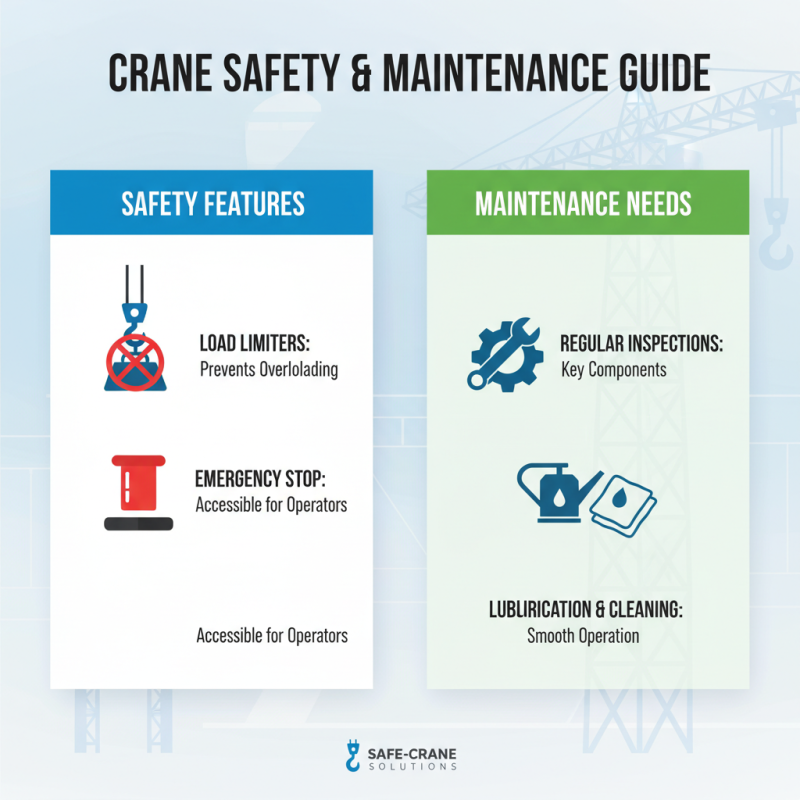
When exploring safety features for overhead bridge cranes, it's crucial to consider several key aspects. Ensure the crane comes with load limiters. These sensors can prevent overloading, a common cause of accidents. Additionally, look for emergency stop buttons. They should be easily reachable for operators under pressure.
Regular maintenance is equally important. Inspect wires, hooks, and pulleys routinely. A small fray can lead to larger issues down the line. Operators must follow proper inspection protocols. Keeping a maintenance log might seem mundane, but it prevents overlooking critical repairs.
Moreover, training for operators is essential. Understanding the mechanisms and safety protocols reduces the likelihood of accidents. A well-trained team is not just an asset; they are a necessity. Remember, even state-of-the-art cranes require observant operators. Taking the time to ensure safety measures are understood can make all the difference.