When embarking on a construction or industrial project, selecting the appropriate equipment is critical to ensuring efficiency and safety. One such essential piece of machinery is the Girder Crane. These cranes play a pivotal role in lifting and transporting heavy loads across job sites, making them an invaluable asset in various industries, from manufacturing to warehousing. However, with numerous models and specifications available, choosing the right Girder Crane tailored to your specific project needs can be a daunting task.
Understanding the key factors that influence your decision—from load capacity and span to operational environment and safety features—is crucial for making an informed choice. The right Girder Crane not only boosts productivity but also enhances workplace safety and minimizes downtime. This guide will delve into the fundamental aspects to consider when selecting a Girder Crane for your next project, ensuring you find the perfect match for your operational requirements. Whether you're overseeing a large-scale construction endeavor or managing a smaller facility, the insights provided will assist you in navigating this pivotal decision with confidence.
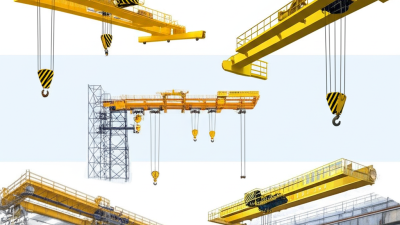
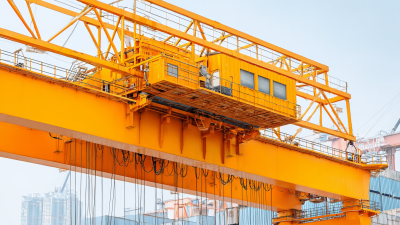
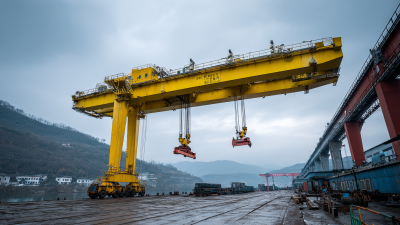
Girder cranes play a crucial role in various construction and industrial projects, offering a versatile solution for lifting and transporting heavy materials. These cranes consist of a horizontal girder supported by vertical legs, allowing them to cover large areas while maintaining stability and strength. Understanding the different configurations, such as single girder and double girder cranes, is essential for selecting the right type for a project. Single girder cranes are often preferred for lighter loads and smaller spaces, whereas double girder cranes provide greater lifting capacities and are suitable for more extensive operations.
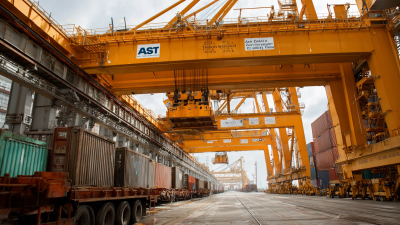
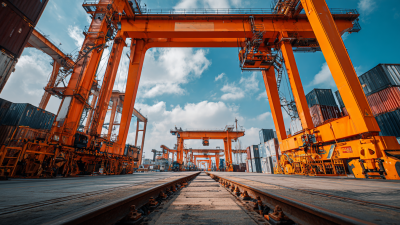
The applications of girder cranes are vast and can be adapted to meet the specific requirements of various industries, including manufacturing, shipping, and construction. In manufacturing, they facilitate the movement of heavy machinery and components along production lines. In shipping, they enable efficient loading and unloading of cargo containers. For construction projects, girder cranes are indispensable for lifting steel beams, concrete blocks, and other heavy materials.
Understanding these applications helps project managers determine the appropriate dimensions and capacities when choosing a girder crane, ensuring optimal performance and safety during operations.

When selecting a girder crane for your project, several key factors must be considered to ensure the efficiency and safety of your operations. First and foremost, the lifting capacity of the crane is crucial. Reports indicate that the global demand for heavy lifting solutions is expected to grow substantially, with the crane market reaching approximately $12 billion by 2026. This emphasizes the importance of choosing a crane that can handle the specific weights you will be working with, avoiding potential overloading and ensuring compliance with safety standards.
Another essential factor is the span of the girder crane. The distance between the support structures will determine the type of girder crane suitable for your project. A study by the Construction Industry Institute (CII) highlights that improper span calculations can lead to inefficient operations and increase the risk of accidents. Additionally, it’s vital to evaluate the environmental conditions in which the crane will operate, such as temperature extremes or exposure to corrosive substances. Understanding these parameters will help in selecting appropriate materials and features for the crane, ensuring long-term durability and performance.
When selecting the right girder crane for your project, understanding the various types available and their distinct features is essential. The most common types of girder cranes include single girder, double girder, and overhead cranes. Single girder cranes are ideal for lighter loads, typically used in small warehouses or workshops, while double girder cranes provide greater lifting capacities and better stability, often utilized in heavy-duty industrial applications.
Moreover, overhead cranes offer flexibility in maneuvering loads across large areas, making them suitable for manufacturing plants and assembly lines. Each type of crane has unique characteristics, such as the spans and lifting heights they can accommodate, which should align with project requirements.
**Tips:** Consider the load capacity and the operational environment when choosing a girder crane. If space is limited, a single girder crane may be more suitable, while larger projects may benefit from a double girder setup. Always assess future expansion needs as well, as this could influence the type of crane best suited for your long-term operations.
When choosing the right girder crane for your project, evaluating load capacity and span requirements is crucial. Load capacity determines the maximum weight the crane can safely handle. This factor not only influences performance but also safety protocols on your site. Assess your immediate needs and potential future demands to ensure the crane you select can accommodate heavier loads as your project evolves.
Span requirements refer to the distance across which the crane must operate. A proper span ensures efficient movement of materials while minimizing obstructions in the workspace. Consider the dimensions of your operational area and potential obstructions. It's essential to calculate how far the crane needs to reach and to account for vertical and horizontal clearance around the loading area.
**Tips:** Always consult with engineering professionals to determine the precise specifications that match your project needs. Additionally, consider using simulation tools to visualize crane movement within your workspace, which can help identify any adjustments necessary for a seamless operation. Lastly, be mindful of the installation environment, as this can affect both load capacity and span requirements.
When considering the acquisition of a girder crane for your project, understanding the financial obligations involved is essential. Recent industry reports indicate that the initial cost of a girder crane can range significantly, from $10,000 to over $100,000, depending on factors such as lifting capacity, design specifications, and additional features. It’s crucial to align your budget with project expectations, ensuring that you account for both upfront costs and ongoing maintenance expenses, which can average around 5-10% of the crane's purchase price annually.
Budgeting effectively also involves evaluating potential savings and return on investment (ROI). A study by the Crane Manufacturers Association of America suggests that investing in a higher-quality crane can reduce operational downtime by up to 30%, significantly impacting overall project efficiency and cost-effectiveness. Furthermore, consider the long-term costs associated with energy consumption; modern cranes often incorporate energy-efficient technologies that can lead to substantial savings in electricity bills over time. By thoroughly assessing these financial aspects, you can make a well-informed decision that not only meets your immediate needs but also supports your project’s long-term goals.