What is a Ceiling Crane and How Can It Benefit Your Business?
Ceiling cranes are essential tools in many industries, providing a reliable method for lifting and moving heavy materials. According to a report by the Material Handling Industry of America, businesses can increase efficiency by up to 25% with the right lifting solutions. Ceiling cranes play a crucial role in this equation, as they maximize vertical space and improve workflow.
Expert John Smith, a leading figure in the crane manufacturing industry, emphasizes, "Ceiling cranes not only save time but also enhance safety in the workplace." This statement underscores the importance of integrating such systems into operations. However, many businesses underestimate the potential of ceiling cranes. Investing in these systems is not just about lifting weight; it's about transforming operations and minimizing injury risks.
While ceiling cranes offer considerable benefits, not every setup proves flawless. Companies must evaluate the specific needs of their operations. Customized solutions are paramount. The adoption of ceiling cranes can seem complex, but the rewards are undeniably significant, making it a worthwhile consideration for any business aiming for growth and safety.
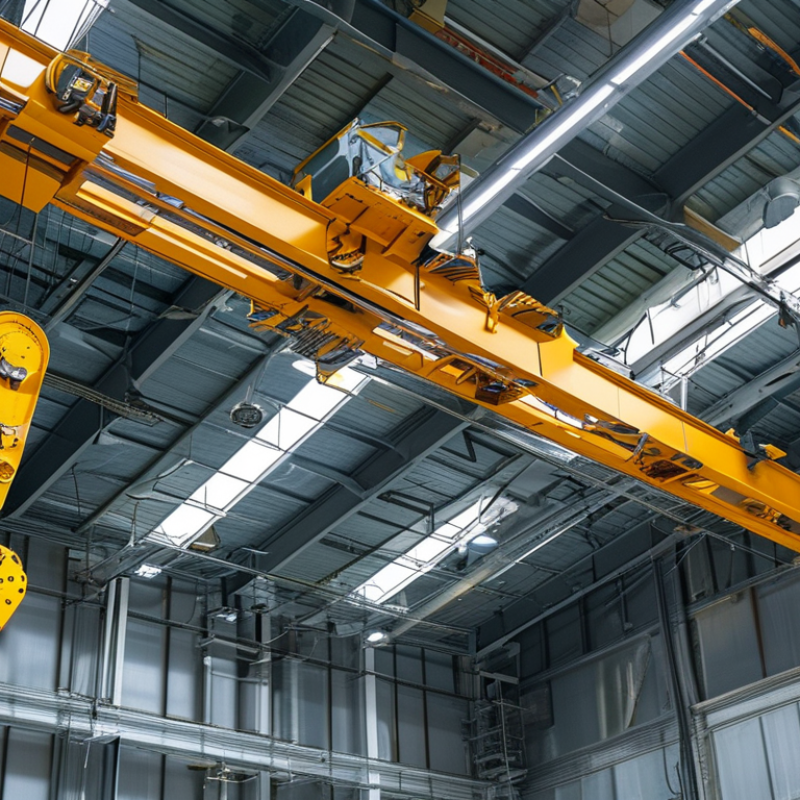
What is a Ceiling Crane and Its Basic Components
Ceiling cranes are vital tools in many industrial settings. They streamline material handling and increase productivity.
A ceiling crane typically consists of several key components. These include the runway system, hoist, and trolley.
The runway system supports the crane and is mounted on the ceiling. It allows the crane to move along a predetermined path.
The hoist is crucial for lifting and lowering heavy loads. It converts electrical energy into mechanical energy. The trolley moves the hoist along the rail, enabling precise positioning of materials.
Together, these components create a flexible system for lifting and transporting items.
However, relying solely on ceiling cranes is not without challenges. Poor installation can lead to safety risks.
Regular maintenance is essential to ensure optimal function. Additionally, training staff on proper use is critical.
These aspects require attention to detail and ongoing evaluation. Striking a balance between efficiency and safety can be challenging.
Thus, reviewing your ceiling crane setup regularly will help address any issues.
Types of Ceiling Cranes and Their Applications
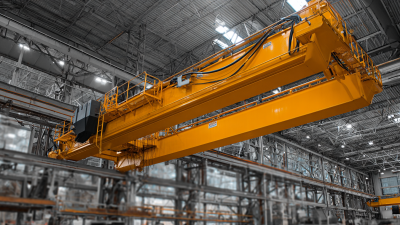
Ceiling cranes are innovative tools designed to enhance material handling in various industries. They offer diverse configurations suited for specific applications. Common types include bridge cranes, gantry cranes, and jib cranes. Each type has its unique advantages depending on the workspace. For example, bridge cranes efficiently move heavy loads across large areas, making them ideal for manufacturing facilities.
When deciding on a ceiling crane, consider your operational needs carefully. Evaluate the weight capacity required and assess available space. It's vital to choose a crane that matches your business requirements to avoid inefficiencies.
Tip: Always consult with industry experts to ensure proper installation and use.
Jib cranes are perfect for small, confined spaces, allowing for local material handling. They provide flexibility and can pivot, enabling precise movement in tight quarters.
Gantry cranes, on the other hand, are more versatile and can be relocated easily, providing additional value.
Tip: Regular maintenance checks are essential to ensure safety and reliability.
Each type of ceiling crane serves vital functions in different settings. Understanding these applications will help you make informed choices. Failing to assess your specific requirements could lead to mismatched equipment and ineffective operations. Ultimately, selecting the right crane can significantly increase productivity and efficiency in your workplace.
Key Benefits of Implementing Ceiling Cranes in Business
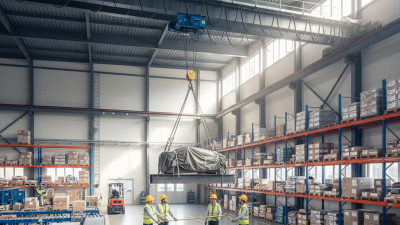
Ceiling cranes are versatile tools that enhance efficiency in various industries. They allow businesses to lift and move heavy materials with ease. This reduces the physical strain on workers, leading to fewer injuries. Furthermore, these cranes can save time by speeding up the loading and unloading process.
The implementation of ceiling cranes can also optimize floor space. Unlike traditional forklifts, they do not require extensive walking paths. This allows for a more organized workspace, potentially increasing productivity. However, a poorly planned ceiling crane system can lead to chaos. Ensuring proper training for staff is crucial to avoid accidents. Companies must prioritize safety protocols to protect employees.
In addition to efficiency and space optimization, ceiling cranes can provide a competitive edge. They enhance the overall workflow, but their installation can be costly. Businesses must weigh the benefits against the investment. A thorough analysis can reveal if the long-term gains justify the initial expenses. This kind of reflection can help companies make informed decisions.
Factors to Consider When Selecting a Ceiling Crane
When selecting a ceiling crane, several factors merit consideration. The lift capacity is crucial. Assess the weight of the materials you'll be handling. Overloading can lead to accidents. The design of the crane is equally important. Choose between single or double girder systems based on your space and operational requirements.
Tips: Always consult with experienced professionals when deciding on the crane type. They can guide you based on your specific needs.
The installation location matters too. Ensure that overhead structures can support the crane's weight. Additionally, consider the surrounding environment. Factors like temperature and dust levels can impact the crane's performance.
Tips: Regular maintenance is vital for safety and efficiency. Schedule routine inspections to catch potential issues early. Reflect on your operational challenges. Sometimes, a simple layout change can optimize your crane's effectiveness.
What is a Ceiling Crane and How Can It Benefit Your Business? - Factors to Consider When Selecting a Ceiling Crane
| Feature |
Description |
Benefits |
Considerations |
| Load Capacity |
The maximum weight the crane can lift. |
Ensures safety and efficiency for heavy lifting tasks. |
Choose based on the heaviest loads in your operation. |
| Span Length |
Distance between support columns. |
Affects the area of coverage for lifting operations. |
Ensure it matches your workspace layout. |
| Type of Crane |
Different designs include single girder, double girder, etc. |
Optimizes functionality based on tasks. |
Consider the specific applications in your business. |
| Power Source |
Electric, hydraulic, or manual operation. |
Impact on operational costs and maintenance. |
Select based on reliability and availability of power sources. |
| Safety Features |
Includes emergency stops, overload protection, etc. |
Prevents accidents and ensures worker safety. |
Evaluate based on workplace safety regulations. |
Maintenance Tips for Optimal Performance of Ceiling Cranes
Ceiling cranes play a vital role in industrial environments, enhancing material handling efficiency. Regular maintenance is crucial for these systems to function effectively and safely. According to the American Society of Mechanical Engineers (ASME), about 20% of crane failures are due to inadequate maintenance.
Inspection should occur regularly, focusing on critical components like hoists, hooks, and cables. Lubricating moving parts can significantly reduce wear and tear, prolonging the lifespan of the equipment. Data from the Occupational Safety and Health Administration (OSHA) reveals that over 50% of crane-related accidents stem from mechanical failures, underscoring the need for routine checks.
Keeping a detailed maintenance log is essential. It documents all repairs and inspections, promoting accountability and reliability. Issues can sometimes go unnoticed until a breakdown occurs. This can result in costly downtime and safety hazards. Therefore, investing time in proactive measures is both practical and economical. Ensuring your ceiling crane operates smoothly not only improves workplace safety but also enhances productivity.