What is a Bridge Crane and How Does It Work?
In the industrial world, a Bridge Crane stands as a vital tool for heavy lifting. These cranes facilitate movement across large spaces, enhancing productivity. According to expert John Smith, a leading engineer in material handling, "The Bridge Crane is essential for efficient operations in warehouses."
Bridge Cranes are designed to travel along elevated rails. They can lift substantial loads, ensuring safety and reliability. Their versatility allows them to handle items from large machinery to construction materials. However, operating a Bridge Crane requires skill and knowledge. Mistakes can lead to accidents or equipment damage.
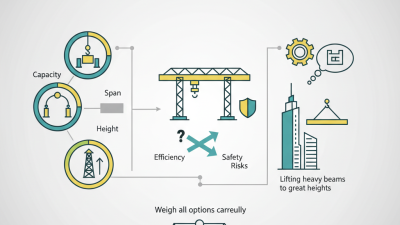
Every operator must understand the potential risks. Regular training and assessments are crucial. While the Bridge Crane is an amazing invention, it demands respect and caution. Striking a balance between efficiency and safety remains a challenge. The right approach can turn a good operation into a great one.
What is a Bridge Crane?
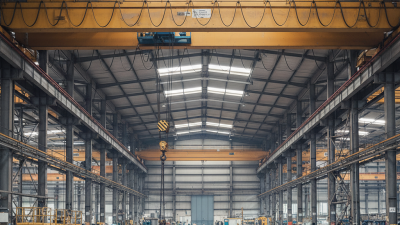
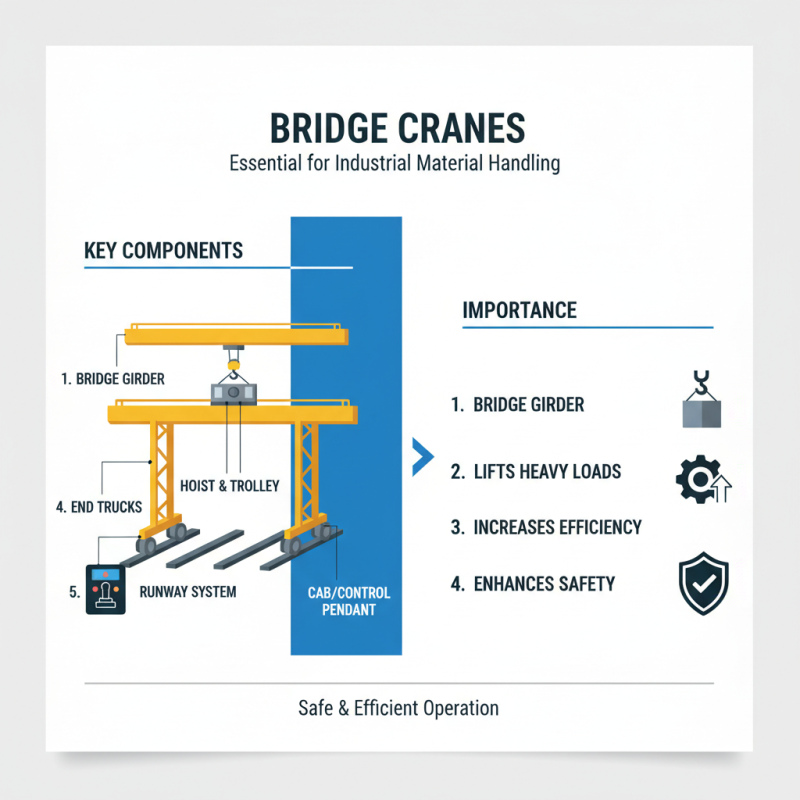
A bridge crane is a vital piece of equipment in various industries. It consists of a horizontal beam, known as the bridge, that spans an area. This crane moves along two tracks that are mounted on vertical supports. The design allows for efficient material handling. According to the Material Handling Industry of America, bridge cranes help reduce labor costs by up to 40% in some applications.
These cranes can lift heavy loads with high precision, making them essential in warehouses and manufacturing plants. They typically have load capacities ranging from 1 ton to over 100 tons. A study from the Industrial Truck Association suggests that the use of cranes increases productivity by 25%, highlighting their importance. However, improper training can lead to accidents, reflecting the need for ongoing safety assessments.
The operation of a bridge crane involves a hoist that raises and lowers objects. Operators must be vigilant about their surroundings to avoid collisions. Even in well-designed systems, human error can compromise safety. Regular maintenance and inspection are crucial to prevent breakdowns and ensure efficiency. Bridge cranes are powerful tools, but their use demands respect and responsibility.
Types of Bridge Cranes and Their Applications
Bridge cranes are essential tools in various industries. They are designed to lift and move heavy loads across large areas. Different types of bridge cranes serve unique applications. Understanding these types helps in selecting the right one.
One common type is the overhead crane. It operates on elevated tracks, allowing it to traverse a workspace. These cranes are often used in manufacturing and warehouses. They efficiently move materials from one point to another. Another type is the gantry crane. This crane is mounted on wheels or legs. It is often used in shipyards and construction sites, where stability is essential.
**Tips:** Always evaluate the load capacity before choosing a crane. Ensuring the right specifications can prevent accidents. Regular maintenance checks are crucial for safety. A malfunctioning crane can lead to injuries. Consider the layout of your workspace as well. Space constraints might limit your options.
Lastly, a simple yet effective design is the jib crane. This type has an arm that extends from a vertical support. It is often used in smaller spaces. Users appreciate its flexibility and ease of use. However, it is essential to understand its limits. Overloading can cause collapses and accidents. Always double-check the load before operation.
Bridge Crane Types and Their Load Capacities
Key Components of a Bridge Crane
Bridge cranes are essential in various industrial settings. They help lift heavy materials and equipment with ease. Understanding their key components is crucial for ensuring safe and efficient operation.
At the core of a bridge crane is the bridge itself. This horizontal beam runs along two rails. It supports the hoist and trolley, which move materials horizontally. The hoist lifts loads vertically. According to industry reports, bridge cranes can handle up to 500 tons of weight. However, proper maintenance is vital. Neglecting routine checks can lead to significant safety hazards.
Another key component is the trolley, which carries the hoist. Trolleys can be powered by electric motors or manually operated. In a 2021 study, it was shown that over 70% of crane-related accidents stem from mechanical failures. Quality design and regular inspections can mitigate these risks. Each part's functionality ensures the system operates smoothly. Still, a breakdown in one area can halt entire operations, leading to costly downtimes.
How a Bridge Crane Operates Mechanically
A bridge crane is a type of overhead lifting equipment that operates using a fixed framework. It consists of a bridge traveling along two horizontal tracks. This system allows for heavy loads to be moved with precision across a defined area. According to data from industry reports, the global crane market is projected to grow significantly, reaching around $50 billion by 2025. This growth highlights the increasing reliance on bridge cranes in various sectors.
Mechanically, a bridge crane operates with several components working in unison. The hoist is an essential part, lifting and lowering loads safely. It utilizes a winch system driven by an electric motor. The bridge itself moves back and forth on the girders, allowing for vertical and horizontal movement. It's fascinating to see how engineering has advanced, yet there can be shortcomings. Regular maintenance is crucial, yet overlooked in many cases. This neglect can lead to safety risks and equipment failure.
Furthermore, the effectiveness of a bridge crane often relies on human operators. Their experience and training can significantly influence operational efficiency. Sensible load handling is critical. While automation is on the rise, human judgment remains irreplaceable. Too often, operators face pressure to perform quickly, which can lead to accidents. Balancing speed and safety is a constant challenge in the industry.
Safety Features and Maintenance of Bridge Cranes
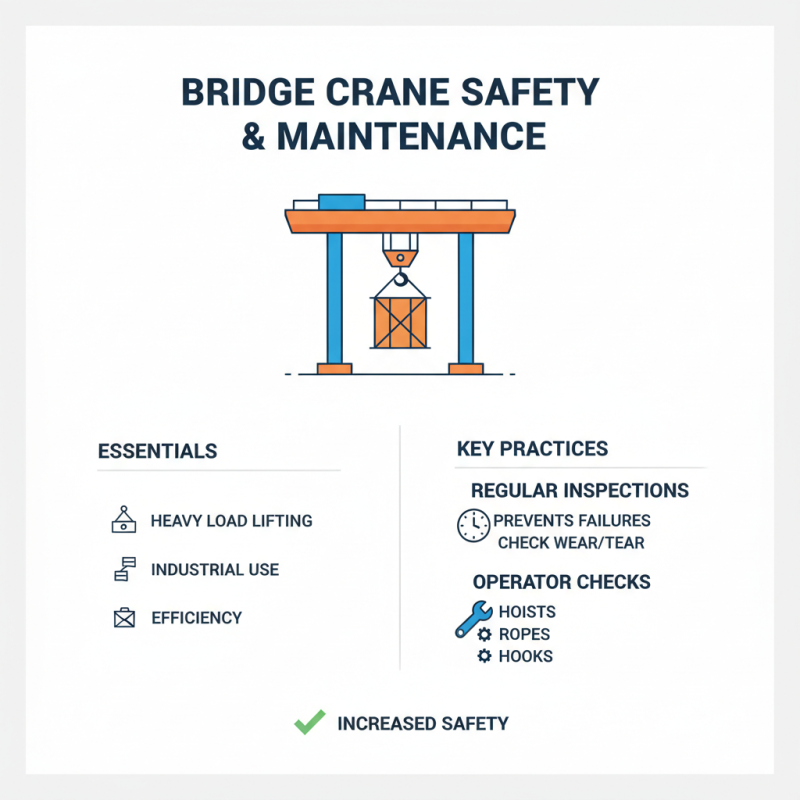
Bridge cranes are essential for lifting heavy loads in various industrial settings. However, their efficiency and safety depend significantly on their maintenance and safety features. Regular inspections are crucial. These checks help identify wear and tear before they lead to failures. Operators should routinely assess components like hoists, ropes, and hooks for signs of damage.
Tips for maintenance include keeping a daily log of operations. This log can highlight unusual patterns or issues. It’s also wise to check the operational limits of the crane. This ensures it operates within safe parameters. If you notice any odd sounds or movements, it’s important to conduct immediate checks.
Safety features such as limit switches and emergency stops can prevent accidents. Nonetheless, reliance solely on these features is not sufficient. Operators must undergo regular training. They need to stay updated on safety protocols. Continuous learning can help avoid mistakes. Bridge cranes are powerful tools, but without proper attention, they can become hazards. Always prioritize safety in operations.