2026 Best Overhead Crane Solutions for Global Buyers?
In the world of industrial lifting, the overhead crane stands out as a critical solution. Businesses worldwide rely on these powerful machines for transporting heavy loads efficiently. The demand for reliable overhead cranes has surged, highlighting the need for quality solutions that meet global standards.
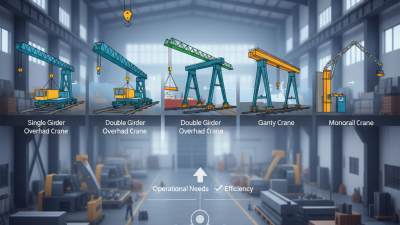
Understanding the distinctions between various crane types is essential. Each overhead crane comes with unique features and capabilities. Factors such as load capacity, span, and duty cycle play a vital role in selecting the right crane for specific applications. Buyers must navigate an array of options, aiming for the best fit for their operational needs.
Yet, not all overhead cranes are created equal. Some alternatives may fall short of expectations, leading to safety concerns and operational inefficiencies. It is vital for buyers to critically evaluate their choices. By focusing on quality and reliability, businesses can improve productivity and minimize risks in their lifting operations.
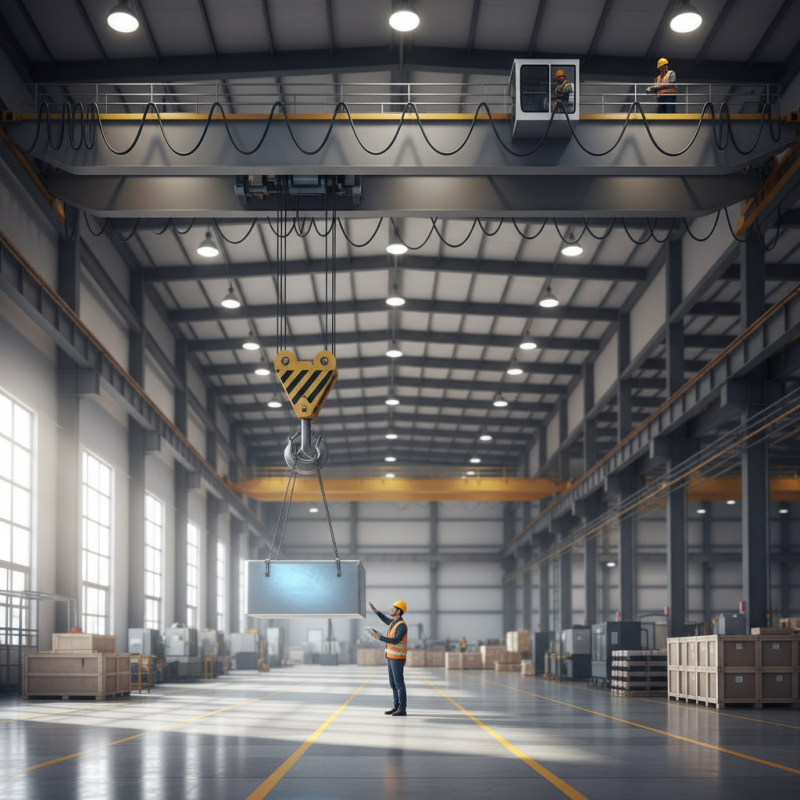
Overview of Overhead Crane Types and Their Applications
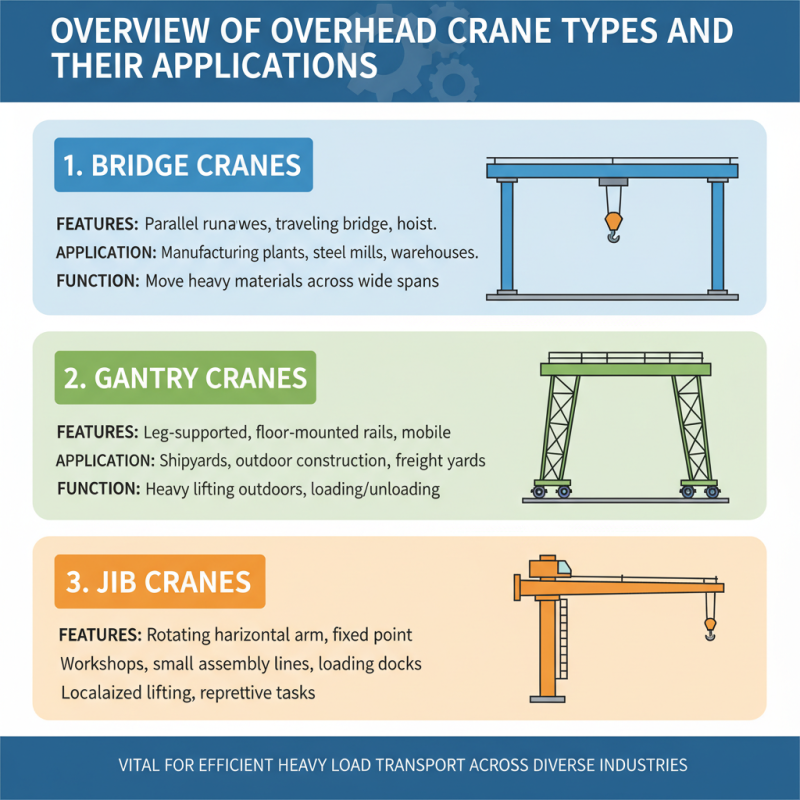
Overhead cranes play a vital role in various industries. They are crucial for transporting heavy loads efficiently. Different types of overhead cranes cater to diverse applications. Common types include bridge cranes, gantry cranes, and jib cranes. Each type has unique features designed for specific tasks. For instance, bridge cranes are popular in manufacturing plants for moving materials across vast spaces.
When selecting an overhead crane, consider the load capacity and span. This ensures the crane meets operational requirements. It’s essential to match the crane type with the environment. Outdoor settings may require gantry cranes due to their mobility. In contrast, indoor facilities often utilize bridge cranes for better stability.
**Tips:** Always factor in maintenance needs. Regular checks can prevent costly downtimes. Ensure operators are trained properly. A well-trained operator enhances safety and efficiency. Remember, the wrong crane can lead to operational challenges. Consider future expansion plans. This foresight can influence the crane selection process. Choose wisely for long-term benefits.
Key Factors to Consider When Choosing Overhead Cranes
When selecting overhead cranes, several factors come into play. Capacity is paramount. Determine the weight loads you'll be lifting regularly. According to a report from Research and Markets, the global crane market is projected to reach $45 billion by 2025, highlighting increasing project demands.
Another crucial factor is the crane's span and lift height. Ensure the specifications match your workspace layout. Ensure clear communication with your supplier to avoid misunderstandings. Regular maintenance is essential, as it affects performance. Studies show that poor maintenance can lead to a 25% increase in operational costs.
Tips: Always check for safety certifications. They ensure adherence to industry standards. Review the user manuals thoroughly. A well-documented manual can greatly facilitate operation and maintenance.
Finally, consider the technological features of the cranes. Automation and remote control options enhance efficiency. However, advanced technology might come with a steeper learning curve. Reflect on your team's skills before making a decision. A balance of innovation and user-friendliness is vital for optimal performance.
2026 Best Overhead Crane Solutions for Global Buyers
| Load Capacity (tons) |
Span (meters) |
Lift Height (meters) |
Power Type |
Control Type |
Material |
Safety Features |
| 5 |
10 |
6 |
Electric |
Remote Control |
Steel |
Overload Protection |
| 10 |
15 |
8 |
Hydraulic |
Wired Control |
Aluminum |
Emergency Stop |
| 20 |
20 |
10 |
Electric |
Pendent Control |
Composite |
Anti-collision System |
| 15 |
18 |
12 |
Diesel |
Smart Control |
Stainless Steel |
Load Monitoring |
Leading Manufacturers of Overhead Cranes in 2026
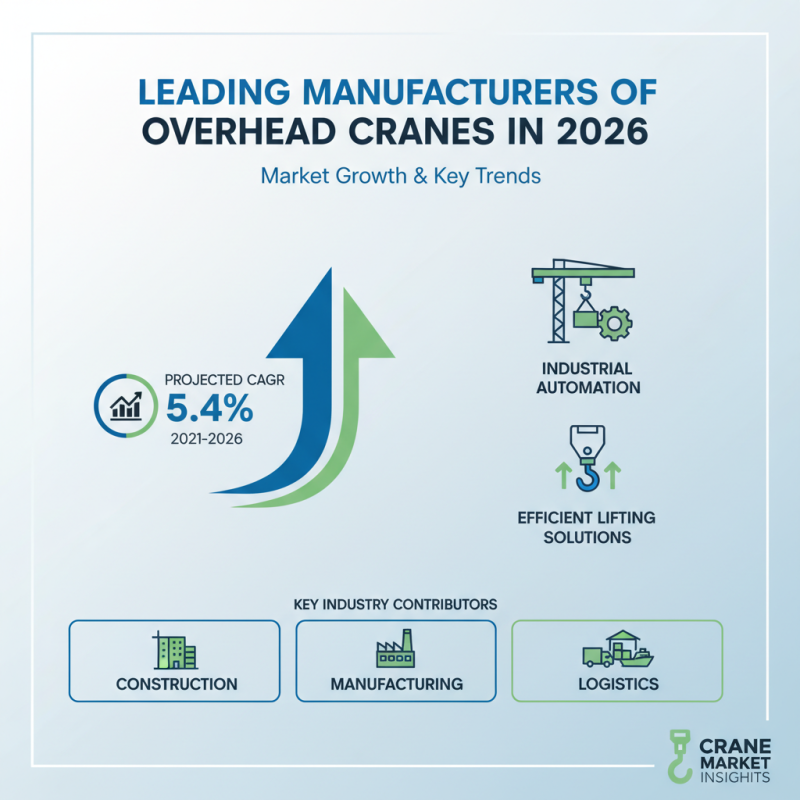
The overhead crane market is poised for growth in 2026. Various reports indicate a projected CAGR of 5.4% from 2021 to 2026. This growth is driven by increasing industrial automation and the need for efficient lifting solutions. Industries such as construction, manufacturing, and logistics are key contributors to this demand.
Leading manufacturers will need to innovate to stay competitive. Developments in smart crane technology and automation are at the forefront. Companies are investing in advanced features like IoT connectivity and real-time monitoring. These technologies enhance operational efficiency and safety, addressing current industry challenges.
However, several hurdles remain. Supply chain disruptions can impact production timelines. Additionally, the varying regulatory standards across regions complicate market access. Manufacturers must navigate these complexities to capitalize on opportunities in diverse markets. Balancing innovation with practical solutions will be crucial for success in the coming years.
Innovative Technologies in Overhead Crane Solutions
Innovative technologies in overhead crane solutions are transforming the industry. Automation and smart sensors enhance efficiency, and safety features reduce risk. These advancements cater to diverse sectors, boosting productivity across warehouses and construction sites.
Robotics play a pivotal role in modern cranes. They enable precise lifting and movement, minimizing human error. Smart technologies offer real-time data tracking, enhancing decision-making. Yet, as these technologies evolve, challenges remain in implementation and maintenance. Training staff to handle sophisticated machinery is crucial.
Sustainability is another focus area. Eco-friendly designs and energy-efficient motors are emerging trends. However, integrating these systems requires careful planning. Not all operations may benefit equally, prompting a need for thorough evaluation before adoption. Balancing innovation with practical application is essential for success.
Sustainability and Safety Standards in Modern Overhead Cranes
Modern overhead cranes play a crucial role in various industries. As safety standards evolve, manufacturers prioritize reliability and worker protection. These machines must meet rigorous safety guidelines. Features such as overload protection and emergency stop systems are now standard. Implementing such mechanisms reduces risks significantly.
Sustainability is another essential aspect. Many companies are adopting eco-friendly materials. Energy efficiency is a key consideration in designing these cranes. Advances in technology allow for lower power consumption without sacrificing performance. However, challenges remain. Not all manufacturers prioritize green alternatives. Buyers must evaluate each option carefully to ensure compliance with sustainability goals.
Regular maintenance is vital for safety and longevity. Operators must be trained to recognize wear and tear. Unmonitored equipment can lead to accidents. There’s a growing need for consistent safety audits. This creates a culture of awareness among staff. Professionals must adapt to dynamic industry standards. Staying informed is not just a choice; it’s a responsibility.