2026 Best Over Head Bridge Crane Options for Your Business Needs?
In the realm of industrial lifting solutions, the Over Head Bridge Crane stands out as a vital asset. Businesses often seek efficiency in their operations, and choosing the right equipment is essential. The best Over Head Bridge Crane options can enhance productivity and safety in warehouses and manufacturing facilities.
When selecting an Over Head Bridge Crane, several factors come into play. Capacity, span length, and lifting height are critical. Often, companies overlook the importance of proper training for operators. Investing in equipment without considering operator skills can lead to inefficient use and potential safety risks.
The market offers various models, each designed for specific loads and applications. Some may find their choice inadequate, realizing later that it does not fully meet their needs. This exploration aims to highlight the 2026 best Over Head Bridge Crane options. By analyzing key features and user feedback, businesses can make informed decisions that drive success and foster growth within their operations.
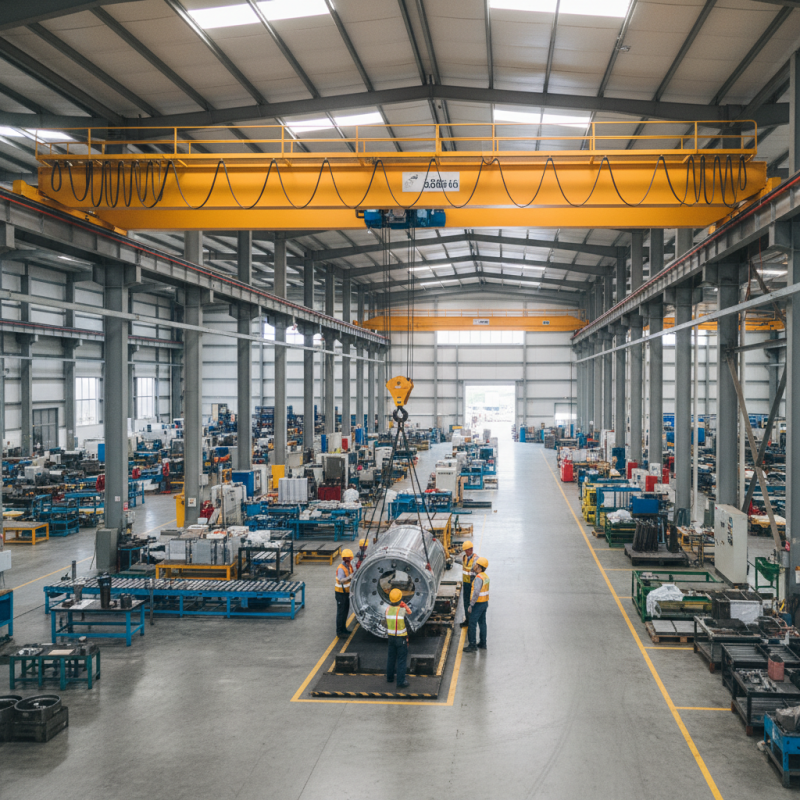
Overview of Overhead Bridge Cranes and Their Applications
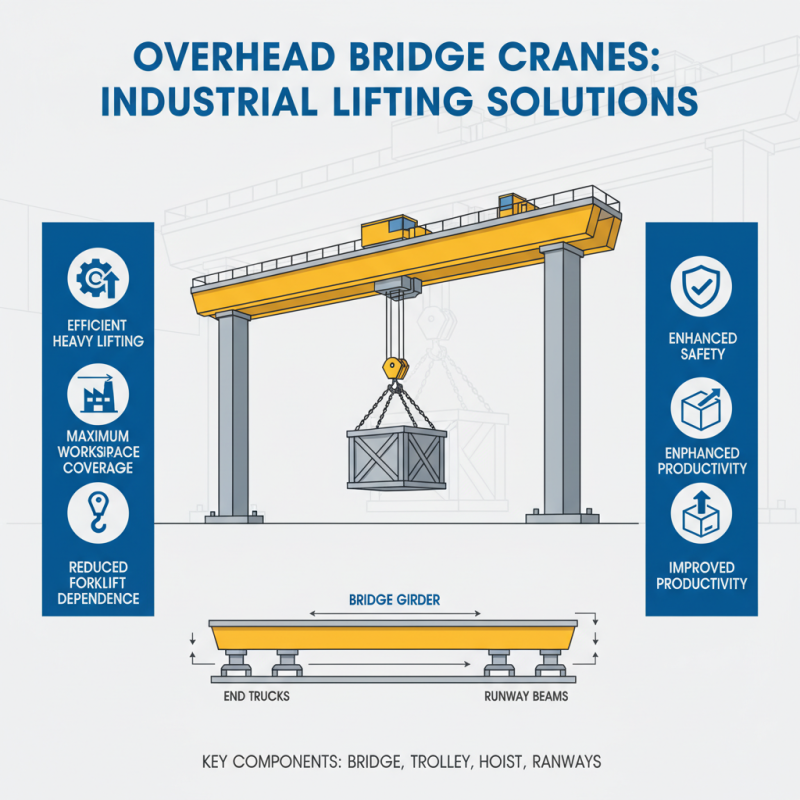
Overhead bridge cranes are essential in many industries. They help lift and move heavy loads efficiently. Typically, these cranes consist of a horizontal beam, supported by two or more runway beams. Their design allows for maximum coverage in a workspace, reducing the need for forklifts in many cases.
When considering overhead cranes, think about your specific needs. What types of materials will you move? Consider weight, size, and frequency of movement. These factors will influence your choice. Also, assess the available space. Ensure that the crane can navigate without obstructions.
Tips: Always involve operators in the selection process. Their insights about daily tasks can lead to better choices. Don't overlook maintenance costs; they can add up over time. Lastly, think about safety features. Investing in these can save lives and prevent costly accidents. Be prepared for some trial and error as you implement this solution.
Key Features to Consider When Choosing an Overhead Bridge Crane
When selecting an overhead bridge crane, several key features require attention. Load capacity is critical. Most businesses need cranes that can handle heavy materials.
According to industry reports, nearly 70% of operational failures stem from overloading. Therefore, accurately assessing your load requirements is essential. A crane with a capacity of 5 to 40 tons can serve a variety of needs,
but understanding your peak load conditions is vital.
Another important feature is the span and lifting height. A standard span can range from 10 to 100 feet, impacting how materials are moved within a facility.
A crane with adjustable lifting heights can improve efficiency. Research shows that optimizing crane height can increase operational speed by over 20%. However, maximizing height might complicate maintenance.
Regular inspections are necessary to ensure long-term reliability.
Control systems also play a significant role. While basic push-button controls are common, advanced systems offer programmable options. Automated controls can enhance precision but might require specialized training.
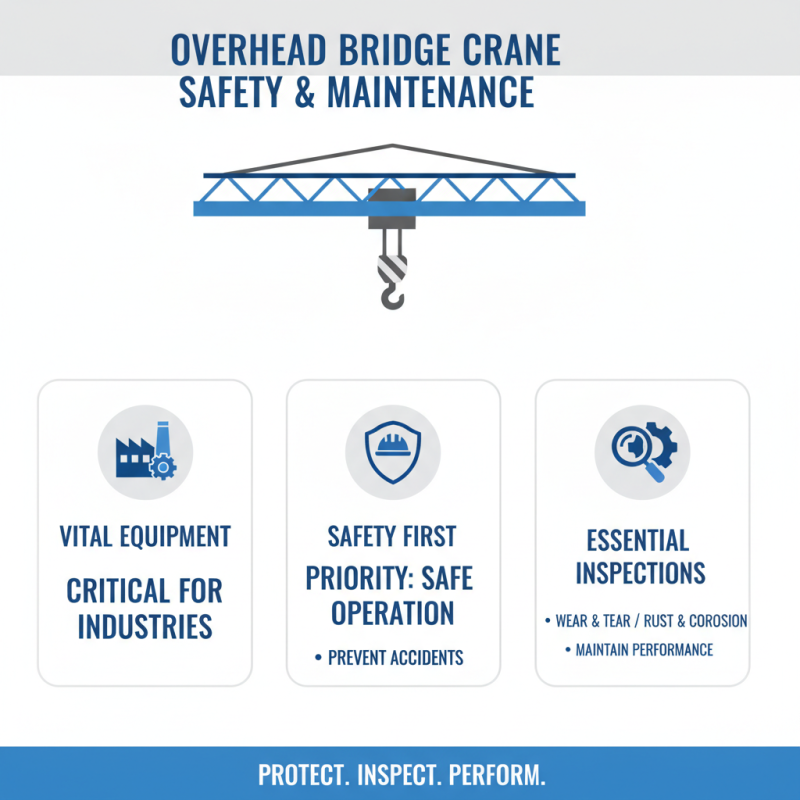
It's important to recognize that every additional feature can introduce complexity. Safety should always be a priority.
Integrating safety systems can reduce accident rates by up to 40%, but they must be simple enough for all operators to use effectively.
Top Brands and Models of Overhead Bridge Cranes in 2026
As industries evolve, choosing the right overhead bridge crane has become crucial. In 2026, the demand for efficient lifting solutions is skyrocketing. According to a recent market analysis, the overhead crane market is projected to reach $4.6 billion by 2026, with a steady growth rate of approximately 5.8% annually. This trend indicates a pressing need for businesses to invest in high-quality lifting equipment that enhances productivity and safety.
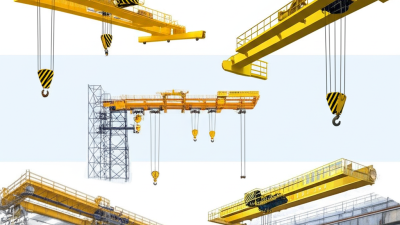
The variety of models available today caters to diverse operational requirements. Some models feature advanced automation, which streamlines operations but may not suit all facilities. For example, facilities with limited space may struggle to incorporate complex systems. Yet, other models provide robust manual controls, appealing to businesses that value operator involvement. Each choice presents unique advantages and drawbacks.
Furthermore, weight capacity remains a key consideration. A crane capable of lifting 10 tons might be ideal for heavy manufacturing, but could be excessive for smaller tasks. This can lead to inefficient resource allocation. Data indicates that improper selection contributes to 30% of operational inefficiencies. It’s essential to carefully assess specific needs before making a decision. Balancing innovation with practicality can help prevent costly mistakes.
Cost Factors and Budgeting for Overhead Bridge Crane Purchases
When considering overhead bridge cranes, cost factors are crucial. The initial purchase price is only the beginning. Installation, maintenance, and operational costs also add up. According to industry reports, installation can range from 15% to 30% of the crane's purchase price. This significant percentage highlights the importance of budgeting accurately.
Maintenance is another vital consideration. Routine inspections and servicing are necessary to ensure safety and efficiency. Some reports indicate that businesses spend about 5% to 8% of the crane's initial cost annually on maintenance. This ongoing expense should not be overlooked.
**Tips:**
1. Plan for unexpected costs. Always allocate additional budget for unforeseen repairs or upgrades.
2. Research financing options. This can ease the initial financial burden and help manage cash flow effectively.
3. Evaluate long-term costs. A lower initial price might lead to higher expenses over time.
Understanding these cost factors will guide better decisions. Each detail matters when budgeting for overhead bridge cranes.
2026 Best Overhead Bridge Crane Options for Your Business Needs
This chart illustrates the estimated costs of various types of overhead bridge cranes based on features and capacities. It helps businesses identify the best options based on budget considerations.