Best Eot Crane Types for Efficient Material Handling?
Eot cranes play a crucial role in material handling across various industries. These machines are designed to lift and move heavy loads efficiently. In warehouses and construction sites, Eot cranes reduce manual labor and improve safety.
Different types of Eot cranes suit specific tasks. Some are ideal for indoor operations, while others excel outdoors. The choice depends on the materials and weight being handled. Understanding these nuances is vital for optimal use.
However, selecting the right Eot crane is not always straightforward. Factors like load capacity, span, and operating environment need careful consideration. This complexity can lead to inefficiencies if overlooked. Therefore, analyzing Eot crane types is essential for enhancing operational effectiveness and ensuring long-term productivity.
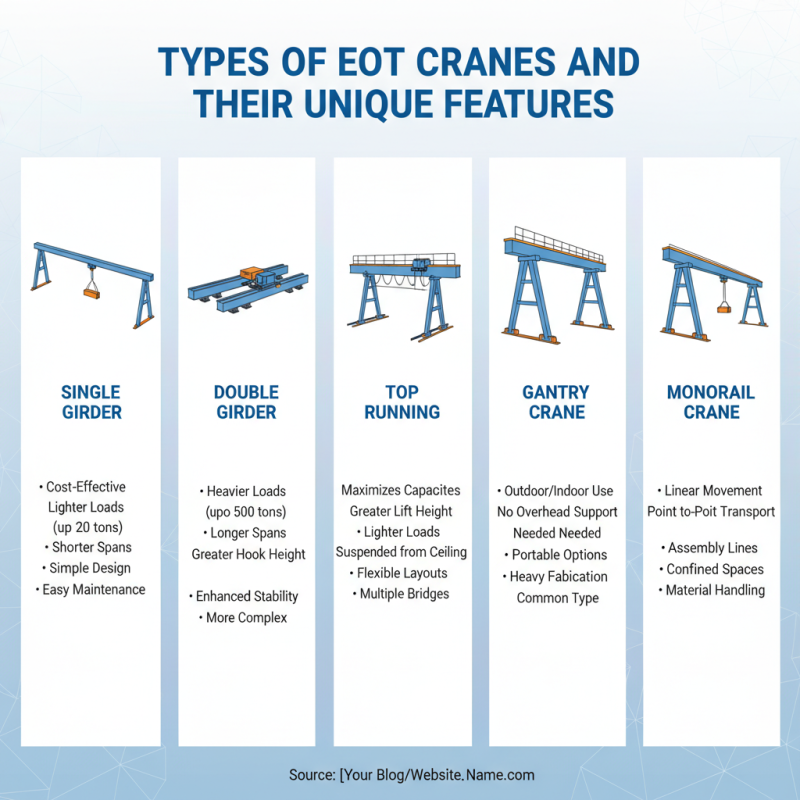
Types of Eot Cranes and Their Unique Features
EOT cranes are essential in material handling. They come in various types. Each type serves a specific purpose and offers unique features.
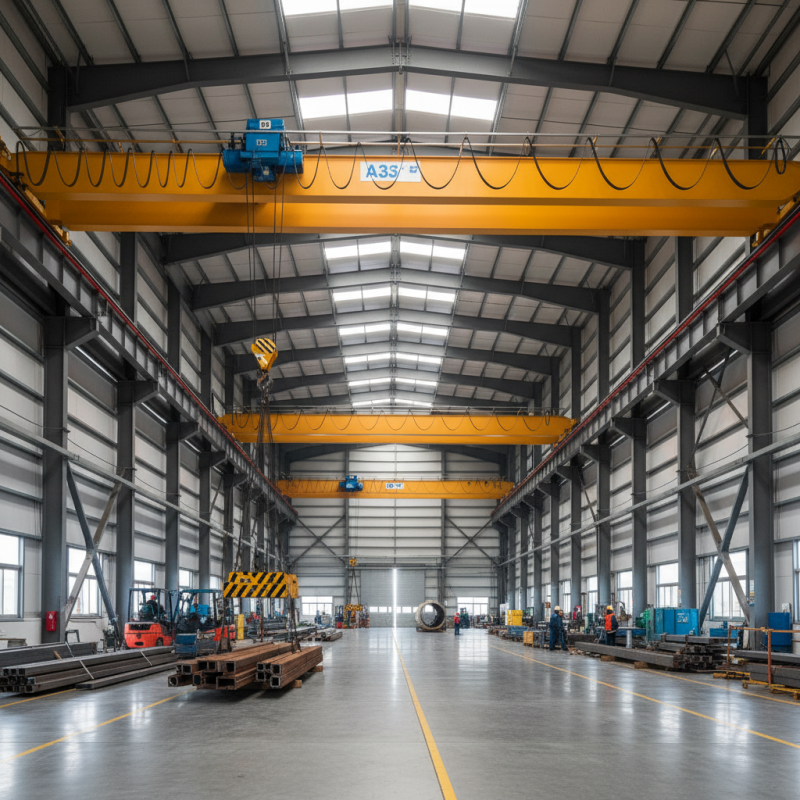
Bridge cranes dominate heavy-duty tasks. They have two parallel tracks. This design allows smooth and efficient movement across the entire work area. The capacity of bridge cranes can range from a few tons to hundreds. Yet, they require careful planning for installation.
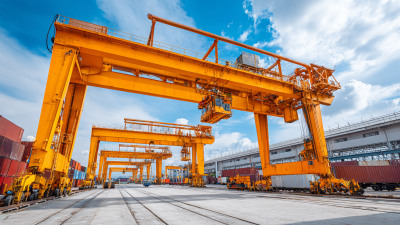
Gantry cranes, on the other hand, are portable. They often operate outdoors. These cranes can be moved from one site to another easily. A study by the Material Handling Industry of America indicates that gantry cranes reduce labor costs significantly. However, their stability can be an issue if not set up properly.
Then, there are jib cranes. They extend horizontally from a stationary mast. These cranes are perfect for smaller spaces. They can handle loads efficiently, but their lifting height is limited. Users need to consider this limitation while choosing the right equipment. Each crane type has its pros and cons. Evaluating the specific needs of a project will lead to better choices in material handling solutions.
Key Factors Affecting Eot Crane Selection
When selecting an EOT (Electric Overhead Traveling) crane, several key factors come into play.
Load capacity is crucial. Different operations demand varied lifting capabilities.
For instance, manufacturing facilities may need cranes that can handle loads between 5 tons to 100 tons.
Understanding these requirements is essential for maximizing efficiency in material handling.
Another factor is the span of the crane. A wider span covers more area, but may increase the cost.
According to industry reports, optimizing the span can lead to a 15% reduction in operational time.
Insufficient spanning can lead to unnecessary delays. This emphasizes the importance of assessing your facility’s layout and anticipated workflows.
Tips: Ensure that power supply matches the crane's demands.
A mismatch can lead to inefficiency. Regular maintenance is vital. Neglect can result in unexpected downtimes.
Think about future scalability.
As business needs change, crane adaptability becomes essential. Investing in a crane that can grow with your operations may save costs in the long run.
Applications of Eot Cranes in Various Industries
Electric overhead traveling (EOT) cranes play a crucial role in various industries. Their ability to lift heavy loads makes them essential in manufacturing, construction, and logistics. In factories, EOT cranes facilitate assembly line processes by moving components seamlessly. This reduces manual handling and speeds up production. However, not all facilities utilize these cranes effectively.
In construction sites, EOT cranes are used to transport heavy materials like steel and concrete. They excel in limited spaces, where traditional cranes may struggle. Yet, some projects face challenges due to improper crane selection. Choosing the wrong type can lead to inefficiencies and safety hazards. Maintenance routines are also necessary, or the cranes may experience unexpected downtimes.
Logistics centers benefit from EOT cranes too. They improve the speed of loading and unloading goods. However, poor training for operators might result in accidents. Regular training is crucial to ensure safety and efficiency. Understanding the specific requirements of each industry can help teams select the correct EOT crane type. Ignoring these considerations can disrupt workflows and affect overall productivity.
Best Eot Crane Types for Efficient Material Handling - Applications of Eot Cranes in Various Industries
| Crane Type |
Load Capacity (Tons) |
Span Length (Meters) |
Operational Speed (m/min) |
Applications |
| Single Girder EOT Crane |
1 - 10 |
5 - 20 |
20 - 30 |
Warehousing, Manufacturing |
| Double Girder EOT Crane |
10 - 200 |
10 - 35 |
15 - 25 |
Heavy Industry, Steel Mills |
| Goliath Crane |
5 - 50 |
10 - 60 |
10 - 20 |
Construction, Shipyards |
| Overhead Crane with Magnet |
5 - 30 |
5 - 25 |
15 - 30 |
Metal Handling, Recyclables |
| Jib Crane |
0.5 - 10 |
2 - 6 |
5 - 15 |
Assembly Lines, Workshops |
Benefits of Utilizing Eot Cranes for Material Handling
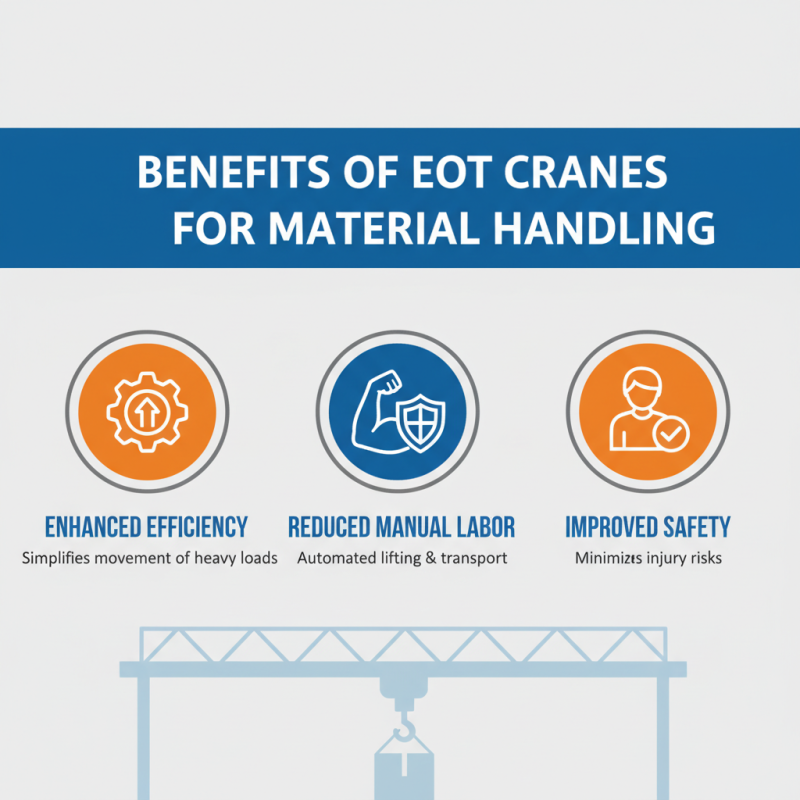
Eot cranes play a crucial role in material handling. They enhance efficiency in various industries by simplifying the movement of heavy loads. These cranes are designed to reduce manual labor. Workers can easily lift and transport materials safely, minimizing risks of injury.
The benefits extend beyond safety. Eot cranes increase productivity. By speeding up the handling process, businesses can save time and reduce operational costs. In busy environments, this is vital. Every minute counts when managing operations.
Tips: Regular maintenance is essential. Inspect the crane frequently to prevent downtime. Train your staff properly. Ensure they understand safety protocols. It's easy to overlook these details, but they are vital for smooth operations. Consider the size and weight capacities before choosing a crane. Each project has unique needs, and choosing the wrong type can lead to costly delays. Reflect on the crane's integration into your workflow for optimal use.
Maintenance Tips for Enhancing Eot Crane Efficiency
EOT cranes are vital in material handling. Regular maintenance can boost their efficiency significantly. Implementing simple practices can make a big difference.
One important tip is to check the brakes regularly. Worn brakes can lead to accidents and downtime. Replace them immediately if you notice any wear. Inspect the hoist chains for signs of wear or stretching. A damaged chain can result in lift failures. Keep them clean and lubricated for smooth operation.
Another essential task is to examine electrical components. Faulty wiring can cause operational issues. Make it a habit to look for loose connections or signs of wear. This can help avoid unexpected breakdowns. Scheduling periodic professional inspections may also provide peace of mind. Investing in maintenance pays off in the long run, reducing the chances of costly repairs.