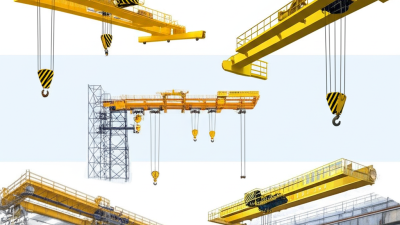
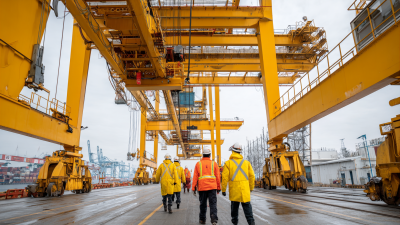
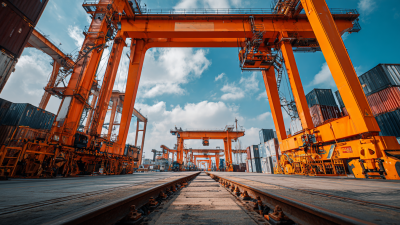
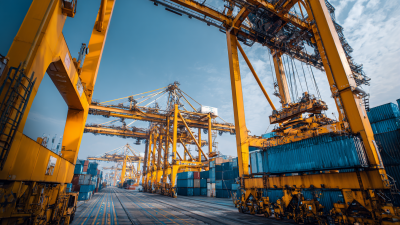
In the realm of industrial applications, efficiency and productivity are paramount, making the selection of appropriate lifting equipment a crucial factor in operational success. Among various lifting systems, the Bridge Crane has emerged as a preferred choice due to its unique design and versatility. By spanning large areas and providing overhead lifting capabilities, Bridge Cranes not only streamline material handling processes but also enhance the safety and performance of industrial operations.
This article explores the top ten benefits of incorporating Bridge Cranes into industrial settings. Whether in manufacturing plants, warehouses, or shipping yards, these cranes offer distinct advantages that significantly improve workflow and reduce downtime. From their ability to lift heavy loads with precision to their space-saving designs, Bridge Cranes have proven to be indispensable assets in enhancing productivity and efficiency. As industries evolve and strive to meet growing demands, understanding the multifaceted advantages of Bridge Cranes can empower businesses to make informed decisions and invest in systems that elevate their operational capabilities.
Bridge cranes play a pivotal role in enhancing lifting capacity in various industrial applications.
These cranes are designed to operate in overhead spaces, allowing for greater maneuverability and lifting efficiency. Their robust construction enables them to lift heavy loads that traditional cranes might struggle with, thereby increasing productivity and safety in the workplace.
With the ability to span large areas, bridge cranes can easily handle materials across expansive floors, minimizing time spent on transporting loads.
Further, the enhanced lifting capacity provided by bridge cranes leads to significant reductions in the risk of accidents and injuries associated with heavy lifting. The cranes incorporate advanced technology that allows for precise control, which is essential when working with substantial weights.
This precision not only protects the workers but also ensures that materials are moved safely and effectively.
Consequently, facilities that implement bridge cranes experience a boost in operational efficiency while maintaining a commitment to workplace safety and employee well-being.
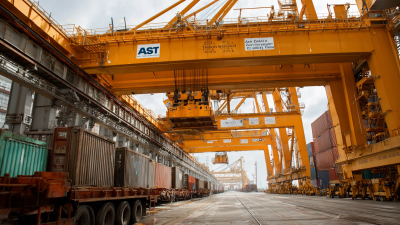
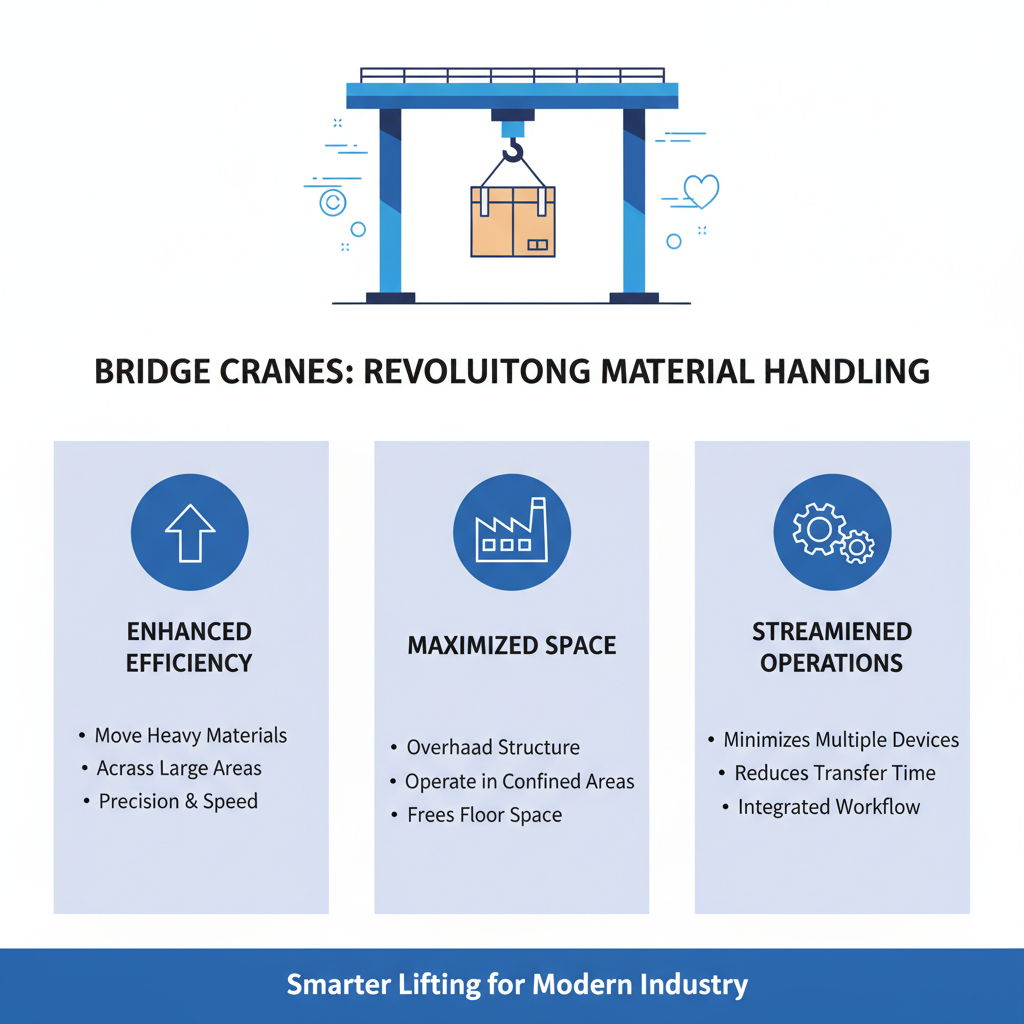
Bridge cranes have revolutionized material handling processes in various industrial applications by significantly enhancing efficiency. These robust lifting systems are designed to move heavy materials across large areas with remarkable precision and speed. The overhead structure of bridge cranes allows them to operate in confined spaces, maximizing the available floor area. This capability minimizes the need for multiple lifting devices, streamlining operations and reducing time spent on material transfer.
Moreover, the integration of advanced control systems in modern bridge cranes enables operators to execute complex movements smoothly and without delays. This enhanced maneuverability not only increases productivity but also reduces the risk of workplace accidents, as materials are handled more safely and effectively. By consolidating tasks that would otherwise require additional equipment or manpower, bridge cranes contribute to a more efficient workflow, allowing industrial operations to meet high demand with minimal downtime.
Bridge cranes play a crucial role in enhancing safety measures in industrial workplaces. With their ability to lift and transport heavy loads with precision, these cranes significantly reduce the risk of accidents associated with manual lifting. The strategic design of bridge cranes ensures that operators can maneuver loads safely above work areas, minimizing the chances of injuries from dropping objects. Furthermore, most modern bridge cranes are equipped with advanced safety features, including overload protection systems and emergency stop buttons, which provide an extra layer of security for workers.
Tip: Regular maintenance checks on bridge cranes are essential for ensuring their safety features function correctly. Schedule routine inspections and replace any worn-out components to prevent unintended failures.
In addition to reducing physical hazards, bridge cranes promote better workflow efficiency. When workers can rely on a safe and effective means for material handling, they can concentrate more on their tasks rather than worrying about potential dangers. This shift in focus can lead to increased productivity while maintaining a safer work environment.
Tip: Provide training for your employees on the proper operation of bridge cranes. This will not only enhance their confidence but also improve overall workplace safety and efficiency.
| Benefit | Description | Impact on Safety |
|---|---|---|
| Enhanced Load Control | Bridge cranes offer precise control over lifting and moving heavy loads. | Reduces the risk of dropping loads, preventing accidents. |
| Improved Ergonomics | Designed to minimize physical strain on operators. | Lowers chances of workplace injuries related to heavy lifting. |
| Increased Efficiency | Speeds up the process of moving materials within industrial settings. | Contributes to a safer work environment by reducing the time spent in hazardous areas. |
| Reduced Risk of Collisions | Bridge cranes can be equipped with sensors to prevent accidental collisions. | Enhances safety by protecting workers from moving machinery. |
| Stability in Movement | Offers consistent and stable operation regardless of load size. | Minimizes risks of swinging and sudden movements that could cause injuries. |
| Flexible Work Space | Bridge cranes can be configured to operate in various areas of a facility. | Allows for safer layouts and reduces clutter in the workplace. |
| Remote Operation | Operators can control the crane from a safe distance. | Further reduces exposure to hazards while performing tasks. |
| Comprehensive Safety Features | Equipped with overloading protection and emergency stops. | Minimizes incidents due to equipment failure. |
| Durability and Reliability | Designed for heavy use in demanding environments. | Enhances overall workplace safety through dependable equipment. |
| Cost-Effective | Long-lasting equipment that reduces operational costs over time. | Maintains safety standards without compromising budget. |
Bridge cranes are essential tools in various industrial sectors, offering unmatched versatility that enhances operational efficiency. In manufacturing environments, these cranes can easily lift heavy components, streamline assembly processes, and optimize space utilization. Their adjustable configurations enable them to navigate tight areas, making them ideal for workshops and factories where floor space is at a premium. This adaptability allows manufacturers to respond swiftly to changes in production demands, minimizing downtime and improving workflow.
In construction and warehousing, the benefits of bridge cranes become even more pronounced. They facilitate the movement of materials such as steel beams and large equipment, significantly speeding up the construction timeline. In warehouse settings, bridge cranes enhance inventory management by enabling quick access to goods and materials stored at height. This capability ensures that workers can retrieve items efficiently, reducing the risk of accidents associated with manual lifting and improving overall safety standards. The ability to cater to different industrial needs illustrates why bridge cranes are a favored choice across multiple sectors.
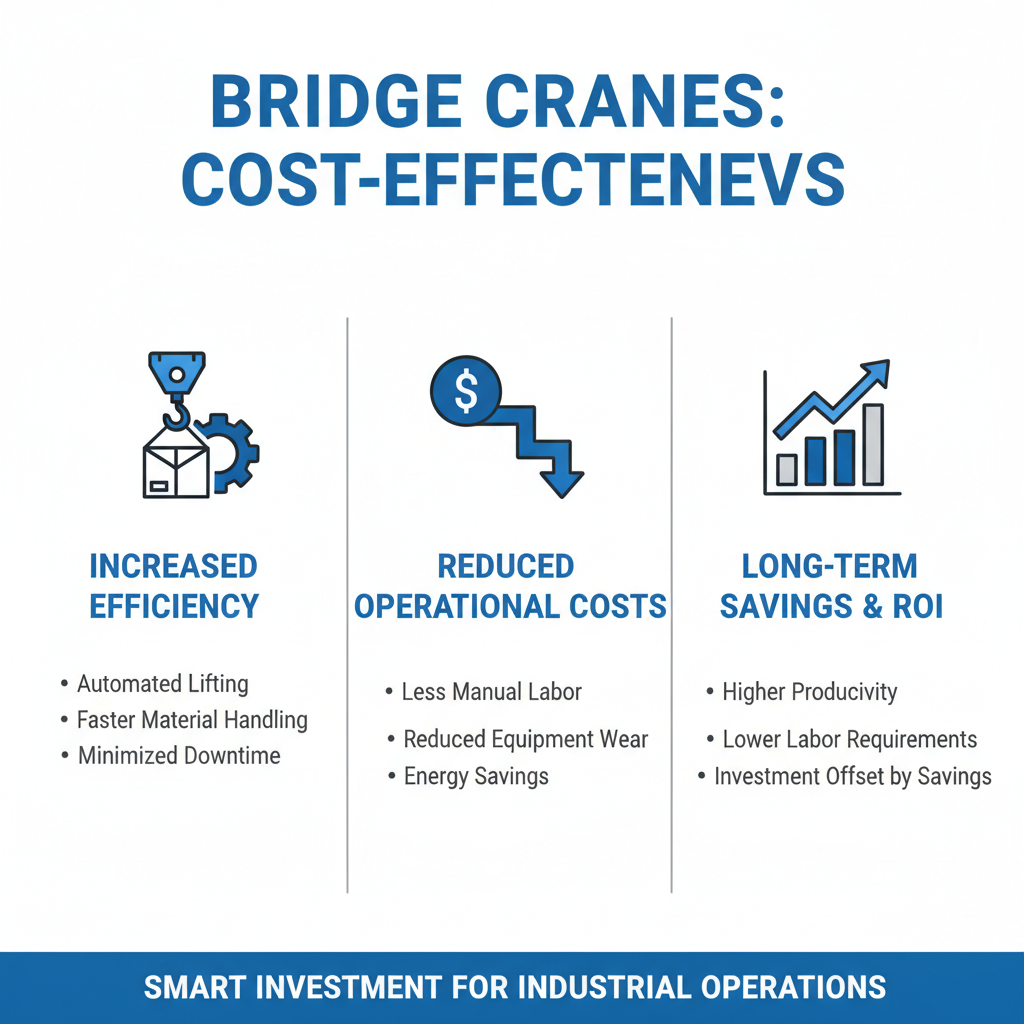
The cost-effectiveness of implementing bridge cranes in industrial operations cannot be overstated. These cranes not only enhance the efficiency of material handling but also reduce operational costs associated with manual labor and equipment wear and tear. By automating lifting processes, businesses can significantly minimize downtime and increase productivity. Additionally, the initial investment in bridge cranes can be offset by the long-term savings achieved through improved operational efficiency and reduced labor requirements.
Moreover, the global market for crane rental services is on an upward trajectory, indicating a growing trend towards the adoption of advanced lifting solutions. For instance, the overhead crane market is projected to grow substantially, reflecting the rising demand for high-capacity lifting equipment in various sectors, including infrastructure and manufacturing. With advancements in technology, companies are increasingly recognizing the financial advantages of investing in bridge cranes, making them an integral part of modern industrial operations.
As industries strive for leaner operational models, the implementation of bridge cranes emerges as a strategic move towards achieving cost-effectiveness while supporting scalable growth.