Top Benefits of Overhead Bridge Cranes for Efficient Material Handling
In the realm of industrial material handling, efficiency and safety are paramount. One crucial asset that enhances operational productivity is the Overhead Bridge Crane. According to industry reports, the overhead crane market is projected to reach USD 6.73 billion by 2025, reflecting a compound annual growth rate (CAGR) of 4.5% from 2018 to 2025. This growth is primarily driven by the increasing demand for automated material handling solutions across various sectors, including manufacturing, warehousing, and construction.
The Overhead Bridge Crane offers a myriad of advantages that streamline workflows and minimize downtime. It provides superior load capacity and flexibility, allowing for the easy movement of heavy components and materials across workspaces. Moreover, studies have shown that implementing overhead cranes can reduce labor costs by up to 25%, while simultaneously enhancing workplace safety by lowering the risk of manual handling injuries. As industries continue to evolve, the Overhead Bridge Crane stands out as an indispensable tool for fostering effective logistics management and optimizing material flow, thereby driving operational excellence in modern manufacturing environments.

Key Features of Overhead Bridge Cranes for Enhanced Efficiency
Overhead bridge cranes are pivotal in enhancing efficiency in material handling across various industries. One of the key features contributing to this efficiency is their ability to optimize space utilization. Reports indicate that these cranes can eliminate the footprint of ground-level lifting equipment, allowing for more flexible use of floor space. According to a study by the Material Handling Industry of America, implementing overhead cranes can increase operational space efficiency by up to 25%, enabling businesses to maximize storage and workflow without the need for extensive redesigns or expansions.
Another critical feature of overhead bridge cranes is their variable speed settings, which allow operators to lift, lower, and move materials with precision. By being able to adjust the speed of lifting based on the weight and type of materials handled, these cranes significantly reduce the risk of accidents that can occur with sudden jolts. Studies show that cranes equipped with advanced speed control mechanisms can lead to a reduction in workplace injuries by as much as 30%. Additionally, their design allows for enhanced visibility in the workspace. Integrated cameras and advanced control systems enable operators to coordinate movements more safely and efficiently, resulting in smoother operations and decreased downtime.
Advantages of Overhead Bridge Cranes in Material Handling Processes
Overhead bridge cranes are increasingly recognized for their crucial role in enhancing material handling processes across various industries. According to the Material Handling Industry of America (MHIA), companies that implement overhead cranes can see an increase in operational efficiency by up to 30%. This efficiency is largely attributed to their ability to lift and maneuver heavy loads safely and quickly, minimizing the risks associated with manual handling. With their design allowing for overhead operation, these cranes help free up floor space, facilitating better workflow and reducing the likelihood of workplace accidents.
Another significant advantage of overhead bridge cranes is their versatility in different operational environments. They can be customized to accommodate a variety of tasks, whether in manufacturing, warehouses, or construction sites. The North American crane market is projected to grow by 5.4% annually through 2026, driven by the ongoing need for efficient material handling solutions. Moreover, the integration of advanced technologies such as automated controls and real-time monitoring systems with overhead cranes has further enhanced their efficiency, allowing for better load optimization and quicker processing times. By leveraging these innovations, companies can streamline their operations and significantly reduce labor costs, proving that overhead bridge cranes are a smart investment for any business aiming to boost productivity.
How Overhead Bridge Cranes Improve Workplace Safety and Ergonomics
Overhead bridge cranes play a crucial role in enhancing workplace safety and ergonomics. According to a report by the Occupational Safety and Health Administration (OSHA), material handling is responsible for over 25% of all workplace injuries in the United States. By utilizing overhead bridge cranes, companies can minimize these risks significantly. These cranes allow for the easy lifting and moving of heavy materials without the need for manual handling, reducing the likelihood of musculoskeletal injuries that often arise from repetitive strain or awkward lifting postures.
Moreover, overhead bridge cranes contribute to improved ergonomics in the workplace. According to the National Institute for Occupational Safety and Health (NIOSH), integrating mechanical lifting solutions can lead to a 50% reduction in worker discomfort and fatigue. With the ability to lift and transport materials effortlessly, employees can focus on more value-added tasks, enhancing overall productivity. The strategic use of these cranes helps distribute the workload evenly, mitigating the physical stress typically associated with manual material handling. Consequently, workers are less prone to injuries, leading to a safer and more efficient work environment.
Top Benefits of Overhead Bridge Cranes for Efficient Material Handling
| Benefit |
Description |
Impact on Safety |
Impact on Ergonomics |
| Increased Load Capacity |
Can lift heavy loads that manual handling cannot. |
Reduces the risk of injury due to heavy lifting. |
Less strain on workers’ bodies as lifting is mechanized. |
| Improved Efficiency |
Speeds up material handling processes. |
Minimizes accidents caused by hasty manual handling. |
Encourages proper lifting techniques through automation. |
| Space Optimization |
Allows overhead storage, freeing up floor space. |
Reduces clutter, decreasing the chance of tripping hazards. |
Creates a cleaner, more organized workspace. |
| Versatility |
Can lift various types of loads, enhancing productivity. |
Offers flexibility in moving materials safely. |
Reduces repetitive strain injuries by varying task execution. |
| Enhanced Worker Morale |
Improves job satisfaction by reducing physical stress. |
Safety improvements lead to worker confidence. |
Supporting ergonomics can enhance overall worker comfort. |
The Impact of Overhead Bridge Cranes on Productivity and Cost Savings
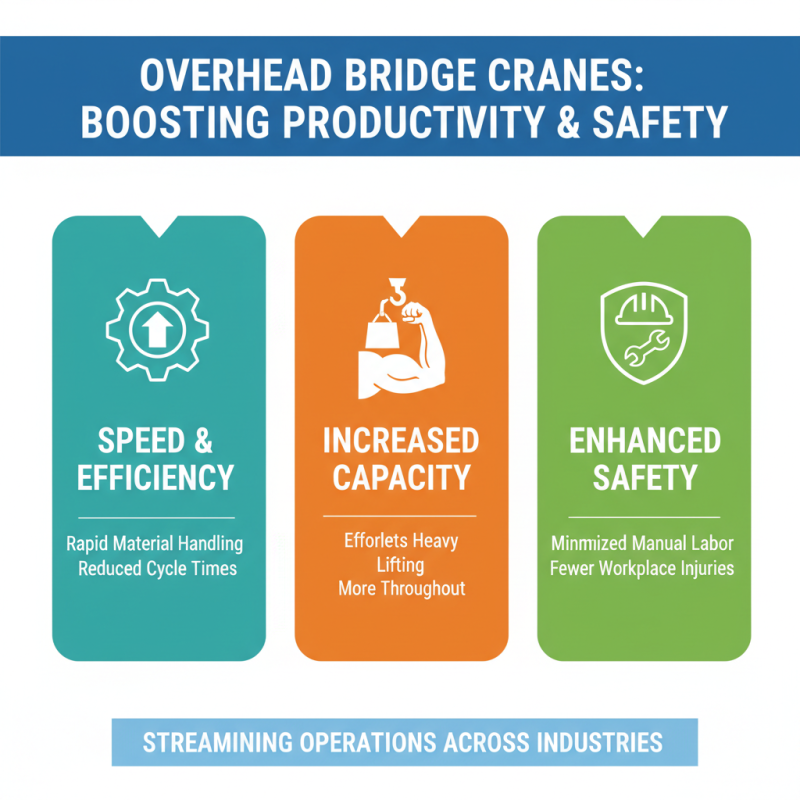
Overhead bridge cranes play a crucial role in enhancing productivity within various industries by streamlining material handling processes. These cranes offer significant advantages in terms of speed and efficiency. With the ability to lift heavy loads effortlessly, they allow workers to focus on their primary tasks rather than struggling with manual lifting or transportation of materials. This reduction in manual labor not only speeds up operations but also minimizes the risk of workplace injuries, leading to a safer, more efficient work environment.
Cost savings are another vital benefit derived from the use of overhead bridge cranes. By optimizing material handling, businesses can reduce downtime and increase throughput. The ability to quickly move materials from one location to another diminishes the need for additional equipment and labor, ultimately lowering operational costs. Furthermore, efficient use of space is achieved, as overhead cranes do not require large ground areas for operation, allowing for a more organized workspace. This combination of increased productivity and decreased expenses positions overhead bridge cranes as an indispensable asset for modern manufacturing and warehousing operations.
Maintenance Best Practices for Overhead Bridge Cranes in Industrial Settings
Maintenance best practices for overhead bridge cranes in industrial settings are crucial for ensuring operational efficiency and safety. Regular inspections should be a fundamental part of a maintenance schedule. Operators should check for signs of wear, misalignment, and proper functioning of mechanical components. This includes examining the hoist, trolley, and runway systems, as well as ensuring that all limit switches and safety devices are operational. These routine checks help identify potential issues before they escalate, minimizing downtime and repair costs.
In addition to regular inspections, cleaning and lubrication are key aspects of overhead bridge crane maintenance. Dust, grime, and debris can accumulate in moving parts, leading to increased friction and potential damage. Scheduled cleaning protocols should involve clearing out any accumulated material from the crane's mechanism. Proper lubrication of parts like gears and bearings ensures smooth operation, reduces wear, and prolongs the lifespan of the equipment. Training personnel on best maintenance practices also enhances safety, as informed operators are better equipped to handle minor issues that may arise, further supporting the crane's efficient functioning.